
Most homeowners never think about their sump pump until the alarm starts beeping in the middle of the night. That’s usually when they discover the discharge pipe is clogged or frozen, and water is already creeping across the basement floor. It’s one of those problems that can go from zero to catastrophic in under an hour.
Manufacturer specifications indicate that a typical submersible sump pump can move 2,000 to 4,000 gallons per hour. When the discharge line blocks that flow, pressure builds fast, and the pump can burn out within minutes. Here's what you need to know.
What happens if a sump pump discharge pipe is blocked
Water stops draining from the sump basin. The pump keeps running but can't push water out. Pressure builds inside the pipe and pump housing.
The pump motor overheats and may burn out within minutes. Water backs up and floods your basement or crawl space.
Why a Blocked Discharge Pipe Is a Silent Emergency
A blocked discharge pipe doesn't announce itself with warning labels. Often, you won't notice anything until the water level in your sump basin starts rising higher than normal, or worse, until that familiar hum of the pump kicks on but no water is moving through the pipe. That’s when things escalate quickly.
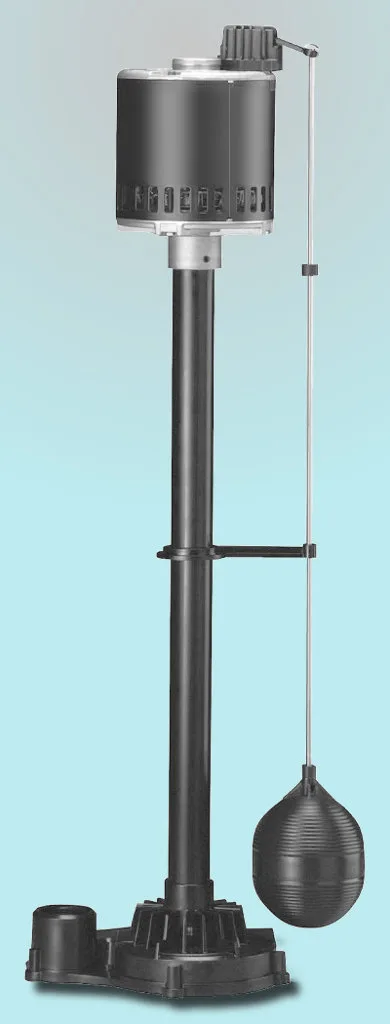
Image source: Wikimedia Commons / Own work (CC BY-SA)
In our research, we found that residential sump pumps typically cycle on every 5 to 15 minutes during active rain or snowmelt. If your pump kicks on frequently but water isn't exiting the discharge pipe, the risk of overheating becomes critical within 30 to 60 minutes. The motor can seize or the impeller can warp, leading to an expensive replacement.
Worse, continuous operation without proper discharge can cause water to back up into your basement, especially if your system lacks a backup battery or alarm system. This is why checking your discharge line seasonally, particularly before winter, is essential. For homeowners dealing with recurring clogs, understanding the signs early can prevent thousands of dollars in water damage.
Immediate Risks and Signs Your Sump Pump Is Backing Up
When your discharge pipe is blocked, three red-flag signs tell you something’s wrong. First, the sump pump runs nonstop or cycles too rapidly without shutting off. Second, the water level in the basin creeps above the normal "on" switch point and doesn’t recede.
Third, you hear the motor straining or notice the pipe vibrating excessively near the discharge point.
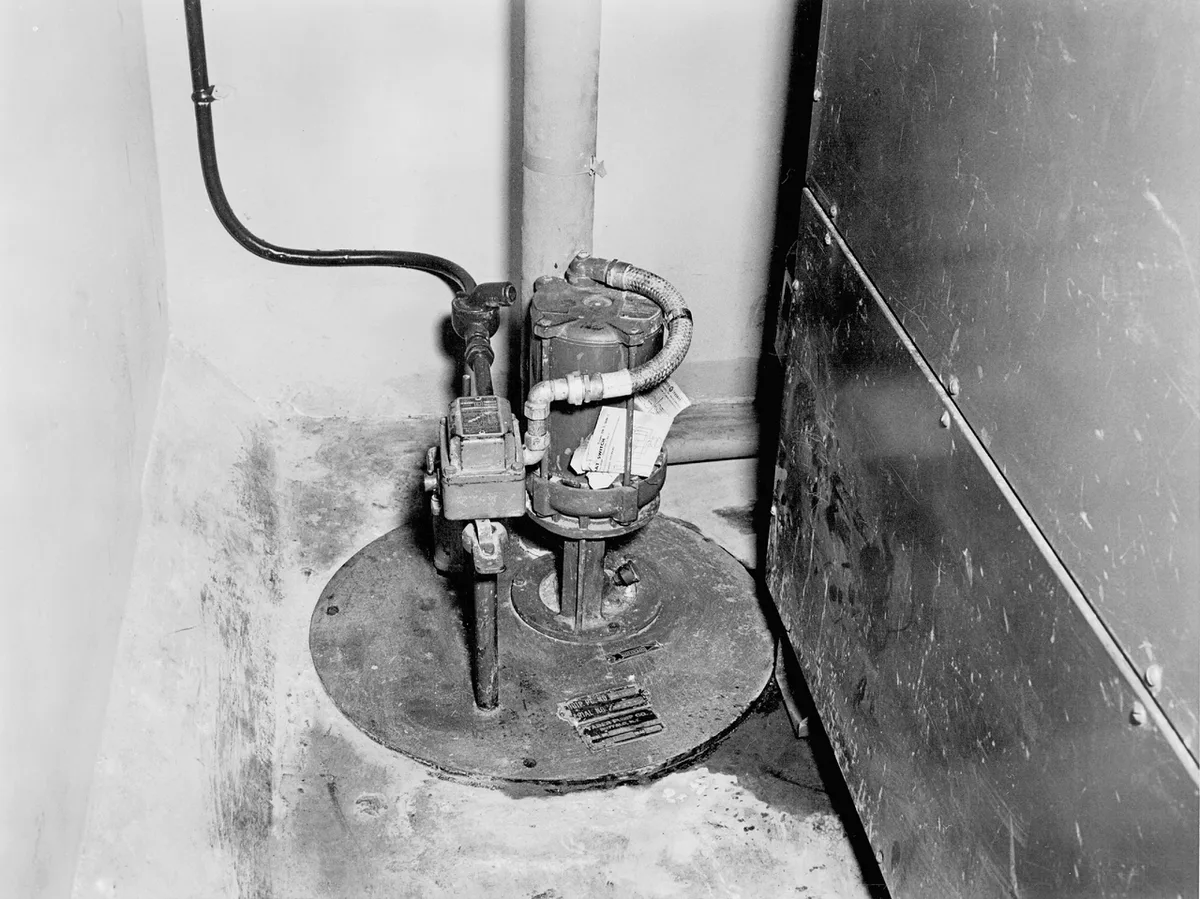
Image source: Wikimedia Commons / United States Department of Energy
These symptoms appear fast. In cold weather, ice can form in minutes inside an exposed PVC pipe, completely sealing the flow. In warmer months, leaves, dirt, and debris often accumulate at the pipe outlet or within the check valve housing.
The danger isn’t just flooding, manufacturer specs warn that dry-firing a pump (running it without water movement) can damage internal components in as little as 30 seconds. If you catch the pump running but not discharging, shut off power immediately. Never reach into standing water or touch electrical panels with wet hands.
This is the moment to act, not troubleshoot.
How to Diagnose and Clear a Blocked Discharge Pipe
Start by turning off power to the pump at the GFCI outlet or circuit breaker. Next, locate the discharge pipe, usually a 1.5 to 2-inch PVC line exiting near the foundation. Follow it from the pump up through the check valve and out the side of your home.
Look for these common blockage points:
| Blockage Point | Cause | Difficulty |
|---|---|---|
| Check valve housing | Debris, ice buildup | Medium |
| Outdoor pipe outlet | Leaves, ice damming | Easy |
| Pipe elbow joints | Sediment, rodent nesting | Hard |
| Frozen horizontal runs | Cold temps, poor insulation | Medium |
If the outlet is clogged, remove debris by hand or with a garden trowel. For frozen pipes, use warm (not boiling) water to melt ice, or wrap heating tape around the pipe. Never use open flames.
If the blockage is inside the wall or beneath the slab, you may need a plumber with a motorized auger. Replace the check valve every 3 to 5 years as part of routine upkeep to avoid future failures.
Prevention, Maintenance, and When to Call a Pro
The best defense against a blocked discharge pipe is seasonal vigilance. As of 2026, building codes in most jurisdictions require sump discharge to terminate at least 10 feet from the foundation, so confirm your setup meets local standards. Wrap exposed outdoor piping with foam insulation before winter, and install a freeze-resistant discharge kit if your pipe runs above ground.
Clean the sump basin and check valve housing twice a year, removing any grit or small particles that can jam the impeller.
Consider upgrading to a smart sump pump with a WiFi-enabled alarm that sends alerts to your phone when water levels rise. These systems cost between $200 and $500 but offer peace of mind during storms or power outages. If your pump is older than 7 years, or if you’ve had two or more failures in a single season, replacement is usually more cost-effective than repeated repairs.
A licensed plumber can also inspect for issues like improper pipe pitch or deteriorated seals that aren’t obvious to DIYers. When water damage is a risk, a professional assessment is always worth the investment.
Frequently Asked Questions
Does a blocked discharge pipe cause the pump to run constantly?
Yes. The pump keeps cycling because it never reaches its shut-off point. Water has nowhere to go, so the basin fills again immediately.
This short-cycling stresses the motor and wastes energy.
Can I temporarily drain water manually while the pipe is blocked?
Only if the power is off and the area is dry. Use a wet/dry vacuum or bucket to remove water from the basin. Never touch electrical components with wet hands or stand in standing water.
How much does it cost to repair a burned-out sump pump?
Replacement costs range from $300 to $1,200 depending on the model and installation complexity. Professional labor adds $150 to $400. Catching a blockage early usually costs under $50 in parts.
What’s the difference between a check valve and a backwater valve?
A check valve prevents water from flowing backward into the basement after the pump shuts off. A backwater valve stops municipal sewer backups from entering your home. Both protect against flooding, but they serve different purposes.
Should I insulate my outdoor sump discharge pipe?
Yes, especially in freezing climates. Foam pipe insulation or heat tape can prevent ice dams that block water flow. The average homeowner spends $20 to $40 on freeze protection materials.
When should I call a professional instead of fixing it myself?
Call a pro if the blockage is inside your wall, the pipe is buried, or you’re uncomfortable working with electrical systems. Also if the pump repeatedly fails despite clearing debris. Complex installations or repeated issues warrant expert evaluation before further damage occurs.