
Sump pump delays usually come from a misadjusted float switch or a clogged discharge. Lower the float switch so it triggers earlier, or install a secondary pump with a lower activation point. Check the discharge pipe for blockages.
Test the pump weekly during rainy seasons.
Why Your Sump Pump Starts Too Late (And What That Means for Your Basement)
A sump pump that waits too long to kick in can flood your basement before it even begins working. By the time the float switch rises high enough to activate the motor, several inches of water may already be spilling over the basin edge. That delay often comes down to one of three causes: the float switch is mounted too high, the discharge check valve is stuck closed, or the pump itself can no longer keep up with incoming flow.
Each of those problems is diagnosable without calling a pro, but ignoring the warning signs, like a pump that cycles infrequently or runs longer than usual, raises the risk of real water damage.
The real cost of a late-starting pump goes beyond wasted time. Basements flooded by just six inches of water can incur tens of thousands of dollars in repairs, especially when HVAC units, electrical panels, or finished spaces sit below grade. Per the National Association of Home Builders, homes in flood-prone zones see average water damage claims exceeding $43,000 per incident.
Fixing the activation timing isn’t just about convenience, it’s about protecting one of your home’s most valuable systems from preventable failure.
Key Factors That Control Pump Activation Timing
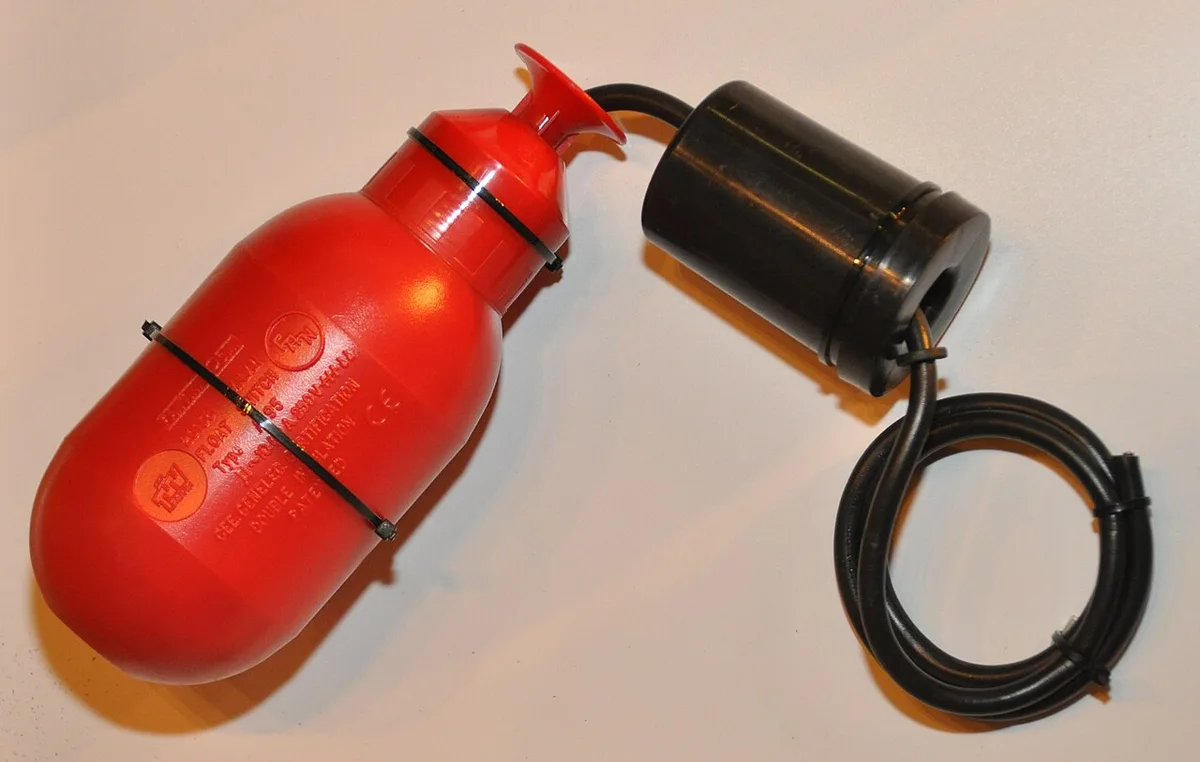
The float switch is the primary trigger, and its position determines the water level at which the pump starts. Most manufacturers recommend setting it to activate between one quarter and halfway up the basin wall, but many installations leave several inches of clearance before the switch lifts. A secondary issue is the check valve, which prevents backflow but can trap water in the discharge line and delay the pump’s restart.
Pump capacity also matters, since a weak motor may simply lag behind incoming water even with correct switch placement.
| Factor | Ideal Setting | What Happens If Wrong |
|---|---|---|
| Float switch height | One quarter to halfway up basin wall | Too high = delayed start |
| Check valve position | Installed vertically on discharge pipe | Stuck closed = slow restart |
| Pump capacity | Rated for at least twice your expected flow | Undersized = constant overflow |
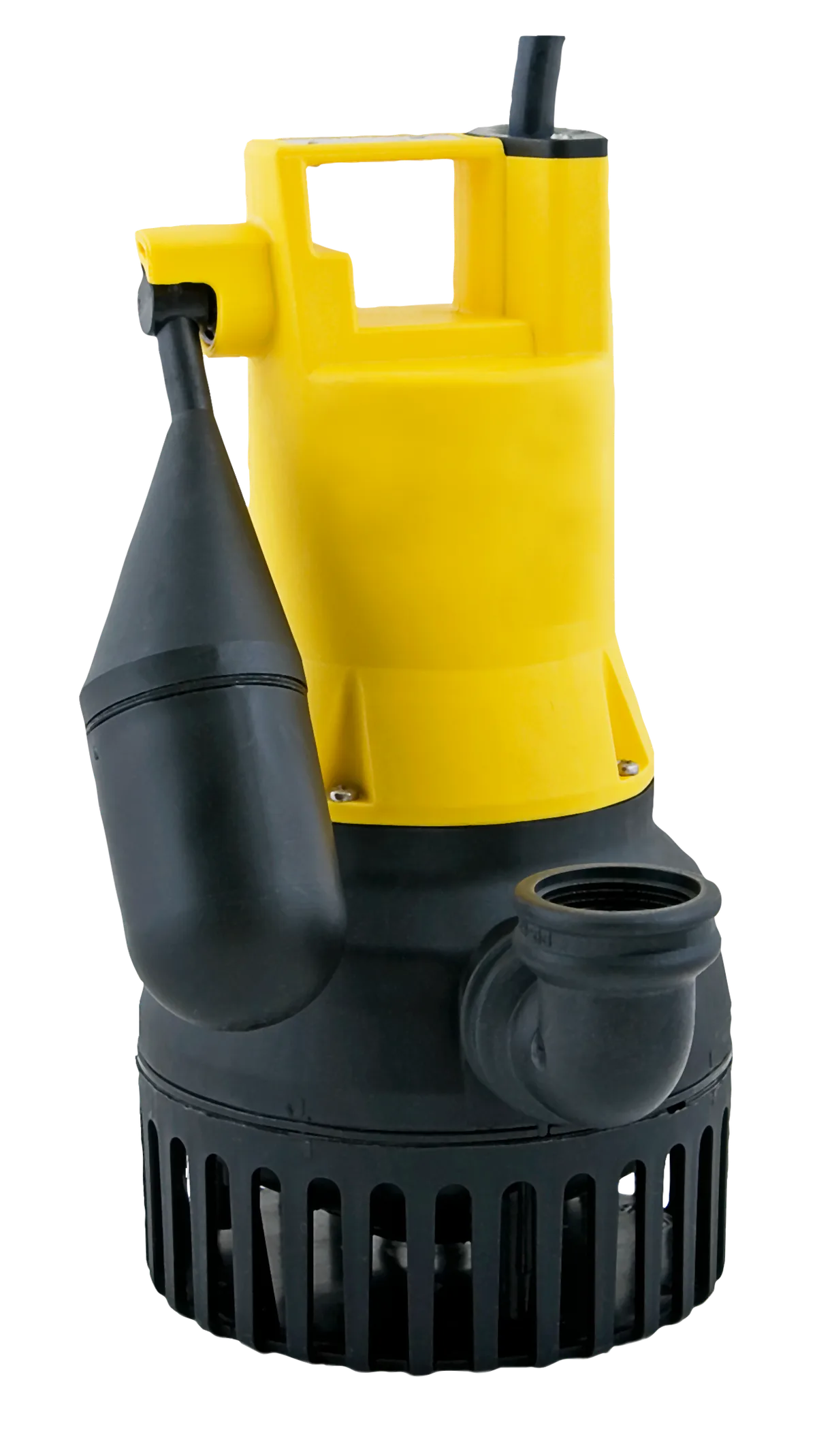
Adjusting the float switch requires turning off power at the circuit breaker first, then either lowering the mounting bracket or repositioning the tethered switch on submersible models. Make incremental changes, about one inch at a time, and test the pump afterward. The goal is to catch rising water early enough that the basin never approaches the overflow point.
How to Diagnose and Fix Delayed Startup
Begin by removing the basin lid and watching the float switch during a manual test, which you can do by slowly pouring water into the pit until the pump activates. Note the exact water level when it kicks in, then compare that height to the overflow lip on the basin itself. If the pump doesn’t engage until water sits just below that rim, the switch sits too high.
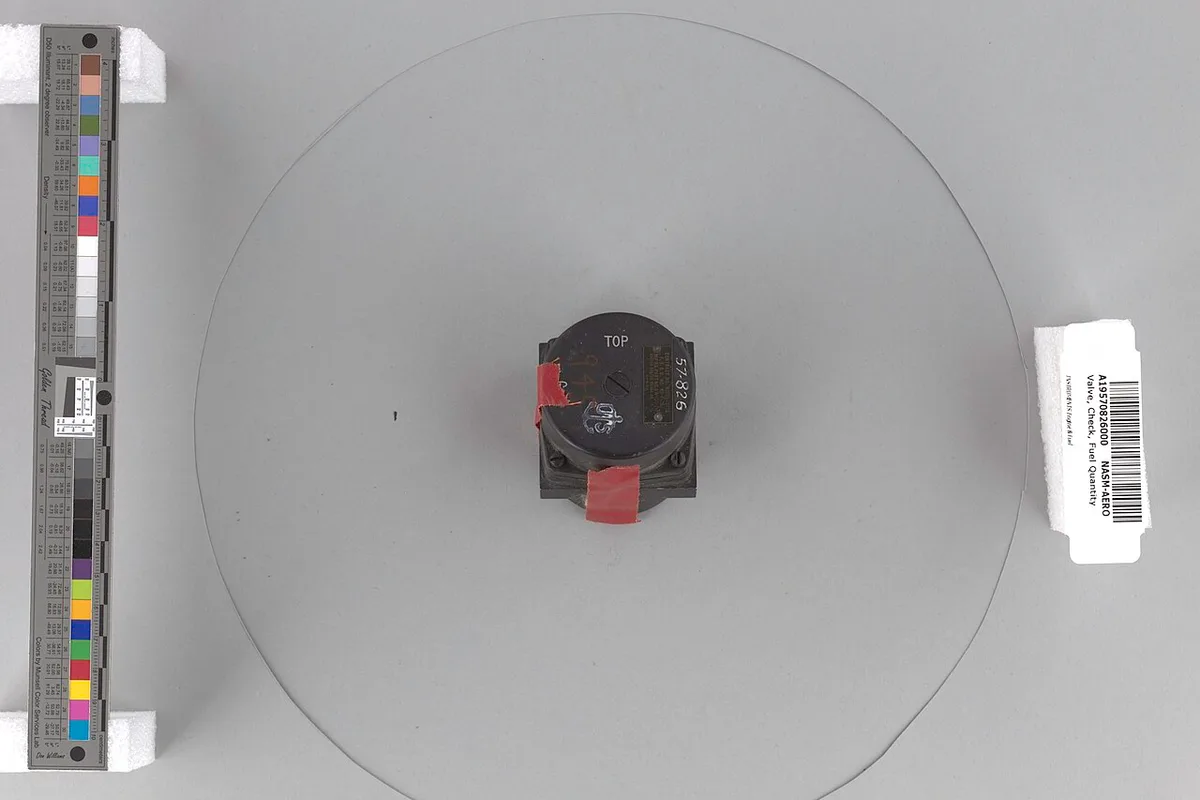
Next, inspect the discharge pipe for a check valve and confirm it moves freely by hand, if it feels stuck or won’t swing back into place, replace it rather than risk repeated delays.
For stubborn or frequently delayed startups, consider adding a secondary high-water alarm with its own independent float sensor positioned a few inches above the primary pump’s trigger point. This acts as a safety net and gives you audible or smartphone alerts before overflow becomes inevitable. If after adjusting the float switch the pump still responds sluggishly, the motor may be wearing out, in which case replacement generally costs less than repeated basement cleanups.
Manufacturer specifications typically list a service life between six and ten years under normal usage, so units older than that warrant inspection every season.
Immediate Fixes vs. When to Call a Pro
Quick fixes like repositioning a float switch or clearing debris from the discharge line can often solve delayed startups within an hour, especially if you already have basic tools like a wrench and a bucket handy. However, electrical work such as rewiring or replacing internal pump components should only happen after cutting power at the breaker and ideally with a licensed electrician present, particularly if your system connects to permanent household circuits.
| Task | DIY Difficulty | When to Call a Pro |
|---|---|---|
| Repositioning float switch | Easy | If unsure about electrical connections |
| Cleaning discharge pipe | Moderate | If pipe bursts or cracks appear |
| Replacing check valve | Moderate | If water backs up repeatedly afterward |
| Rewiring pump controls | Hard | Always |
Per the National Fire Protection Association’s electrical codes, any hardwired sump pump installation requires GFCI protection and proper grounding to prevent fire or shock hazards, so attempting complex upgrades yourself isn’t worth the risk. If you’re seeing frequent overflows despite adjustments, or if the pump struggles to clear water even after cleaning, it’s usually a sign of internal wear that replacement, not repair, will solve. In areas with heavy seasonal rains, an independent battery backup system provides peace of mind and can keep things dry even when grid power fails.
Sump Pump Delay Troubleshooting FAQ
Image source: Wikimedia Commons / Raimond Spekking (CC BY-SA)
Why does my sump pump turn on so late?
Most often the float switch is mounted too high in the basin, leaving several inches of unused space below the overflow point. Other causes include a stuck check valve blocking discharge or a pump motor that lacks the power to handle your property’s inflow rate.
Can I adjust the float switch myself?
Yes, provided you turn off power at the circuit breaker first and follow the manufacturer’s guidelines. Lower the switch incrementally, one inch at a time, and test after each adjustment to avoid overcorrection.
How often should I test my sump pump?
Weekly during rainy months and monthly throughout the rest of the year. Pouring a bucket of water into the basin should trigger the pump within seconds and drain completely in under a minute for most residential systems.
Is a secondary pump worth installing?
If you live in a flood-prone zone or rely on a single pump for basement protection, adding a battery-powered secondary unit with its own float switch provides reliable redundancy when the primary system fails or stalls.