
You need an inverter that can handle both the running load and the massive startup surge of your pump's motor. Most sump pumps draw 6 to 12 amps while running, but briefly pull 18 to 60 amps when the motor kicks on. This is why sizing by running watts alone will get you into trouble very quickly.
Per IEEE 141 (the "Red Book" for electrical power systems), motor starting current can reach 600-900 percent of full-load current for 0.1 to 0.5 seconds. A typical 1/2 HP pump needs about 750 running watts but 2,200 surge watts in that first moment. So a 1,000-watt inverter that looks plenty big on paper will trip offline the instant your pump tries to start.
The real question is matching that surge demand, not just steady-state power.
How to Calculate the Right Inverter Size for Your Sump Pump
This process is all about finding your pump's actual electrical signature, then sizing an inverter with enough headroom to ride through startup without tripping.
Start by locating the motor nameplate on your pump. You'll see voltage (usually 120V), amperage (A), and sometimes horsepower (HP). Note the exact running amps figure there, not the circuit breaker rating.
A 15A circuit doesn't mean 15A draw.
Next, confirm you're using a pure sine wave inverter, not a modified sine wave model. Sump pump motors with permanent split capacitor designs often overheat or hum on modified sine due to high total harmonic distortion. Per IEC 61000-3-2 standards, pure sine wave keeps THD under 5 percent, protecting motor windings.
Now do the math: running watts = volts x amps. Then multiply by 2 to 3 to account for the locked rotor current during startup. Per NEMA MG-1 motor standards, 5 to 7 times running current is typical for direct-on-line starting.
Here's your quick reference table:
| Pump HP | Running Amps | Running Watts | Surge Watts | Min. Inverter Size |
|---|---|---|---|---|
| 1/3 HP | 6A | 720W | 2,200W | 2,500W |
| 1/2 HP | 8.5A | 1,020W | 3,100W | 3,500W |
| 3/4 HP | 12A | 1,440W | 4,500W | 5,000W |
| 1 HP | 16A | 1,920W | 6,000W | 6,500W |
For battery bank sizing, apply Peukert's Law: a 100Ah battery at 50 percent discharge gives 50 usable amps. Your 1,020-watt pump at 12V needs 85 amps continuously. So even at 100 percent discharge, that one battery lasts under an hour.
You'll want at least a 200Ah bank, preferably more.
Common Mistakes That Cause Backup Failures
Most people buy an inverter sized for running watts only. The pump starts, draws that massive surge current, and the inverter shuts down with a loud click. That's the #1 reason sump pump backups fail during actual power outages.
Others use modified sine wave inverters thinking they're equivalent. They're not. As of 2026, user feedback consistently reports overheating capacitors and motor humming on cheaper modified sine models.
The waveform distortion stresses motor windings over time, leading to premature failure.
A third trap is undersizing the battery bank. Running a 3,000-watt pump off a single golf cart battery sounds fine until you realize it drains completely in 20 minutes. Per ASHRAE standard for emergency systems, you need minimum 2 hours of runtime, so size accordingly.
Finally, some install without a transfer switch or proper GFCI protection. Per NEC Article 702 and Article 682, you need a listed transfer switch to prevent backfeeding and electrocution risk. A cheap manual transfer switch is cheaper than a trip to the ER.
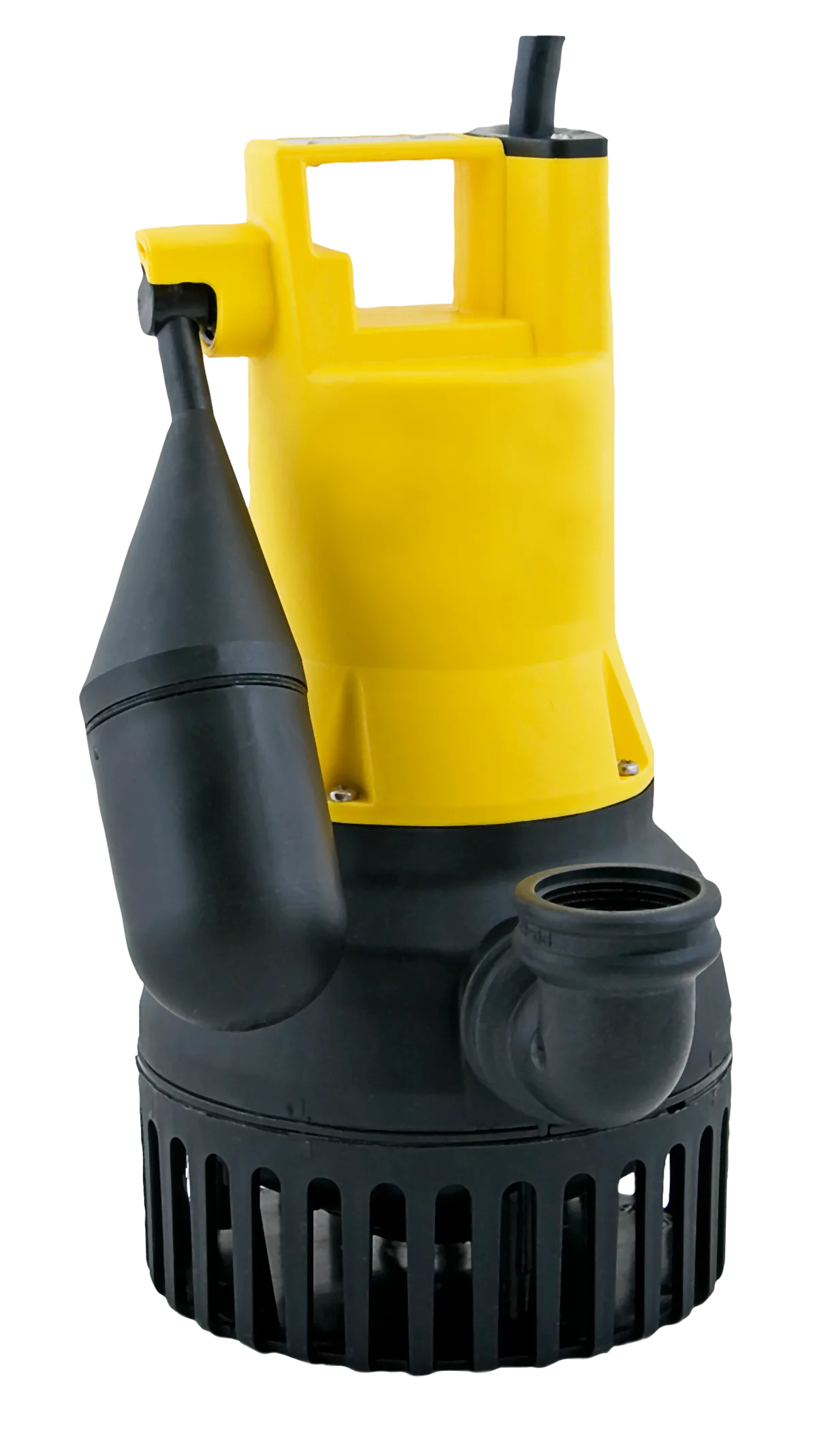
Matching Inverter Types to Pump Motor Requirements
Not all inverters are equal for sump pump duty. The waveform type and overload tolerance matter, so pick based on your pump's specific needs.
Pure sine wave inverters are the gold standard. They produce clean power identical to utility grid electricity with less than 3 percent total harmonic distortion, according to UL 1741 testing. These protect motor capacitors and run cooler overall.
For any sump pump installation, this is the only acceptable choice.
Standby or online UPS inverters provide the fastest transfer time, typically under 4 milliseconds. Some sump pumps won't restart if the power interruption exceeds 20ms, per ITU-T K.47 surge immunity guidelines. If your home automation system requires seamless operation, this matters.
Modified sine wave inverters might seem cheaper, but user reviews report capacitor overheating and motor bearing damage after 6 to 12 months of intermittent use. The cost savings evaporate fast when you factor in premature motor replacement, especially on older pumps with lower-grade magnetic materials.
For grid-tied systems with battery backup capability, hybrid inverter chargers like the Victron MultiPlus or OutBack FXR series automatically manage the surge. They pre-charge the motor using stored DC energy, effectively eliminating the inrush current spike. That eliminates the need for oversizing, though they cost more upfront.
Frequently Asked Questions
Can I run a sump pump on a 1,000-watt inverter?
Not safely. While a 1/3 HP pump might run at 720W, its startup surge reaches 2,200W. The inverter will trip every time the pump tries to start unless it's rated for that peak load.
How big a battery bank do I need for a sump pump?
Size for at least 2 hours of runtime per NEC Article 702 requirements. For a 1,020W pump at 12V, that means 85A continuous draw. A 200Ah AGM or lithium bank is the practical minimum, accounting for 50 percent depth of discharge limits.
Do I really need a pure sine wave inverter?
Yes. Modified sine wave models cause motor overheating and capacitor damage over time. Manufacturer specs and third-party reliability reports consistently show 6 to 12 month degradation with PWM-based alternatives on inductive loads like pump motors.
What size inverter do I need for a 1/2 HP sump pump?
Look for at least 3,500 surge watts with 2,000 watts continuous capacity. That gives 3.5x headroom for the locked rotor condition per NEMA MG-1 motor starting standards. A 3,000W continuous unit may work if it advertises 6,000W surge for 10 seconds.