
You must first break into the concrete slab at the basement's lowest point. Dig a pit deep enough for the basin to sit below the slab level by at least 24 inches. Place the basin on a 2-inch gravel base and ensure it is level and flush with the floor.
Connect the discharge pipe with a check valve oriented to allow upward flow only. Finally, wire the pump to a GFCI-protected outlet on a dedicated 15-amp circuit before backfilling around the edges.
How a Sump Pump Works (And Why Placement Matters)
A sump pump removes accumulated water by sensing rising levels in the basin and automatically activating. Submersible models sit at the pit's bottom, while pedestal types mount above the basin on a stand. Placement is critical: the pump must sit level and fully submerged (for submersible units) or properly aligned with its intake tube (for pedestal).
Incorrect positioning can cause air locks or uneven wear. Manufacturer specifications indicate most residential pumps handle 1,500 to 5,000 gallons per hour at a 10-foot head, determining how quickly your system keeps up during heavy rain.
The discharge pipe routes water away from your foundation, discharging it at least 10 feet from the structure. Installing a check valve prevents backflow that could drain the pit and cause continuous cycling. A weep hole drilled just above the pump inlet releases trapped air that otherwise stalls flow.
Local building codes often require the pipe to terminate above ground level to prevent ice blockages in colder regions.
Step-by-Step Installation: Pit Setup to Final Test
Begin by locating the lowest corner of your basement, usually where floor walls meet. You will need a sledgehammer, masonry bit, circular saw with a diamond blade, level, and safety gear including eye protection and a dust mask. Score the concrete in a 2×2 foot square around your chosen spot, then break out the slab using the hammer or a demolition bar.
Dig down 24 to 36 inches below the existing slab, removing soil and debris as you work. Line the hole loosely with landscape fabric to keep sediment out, then pour a 2-inch layer of clean gravel for drainage. Set your pre-assembled basin on this base, ensuring the rim sits flush with or slightly below the finished floor height.
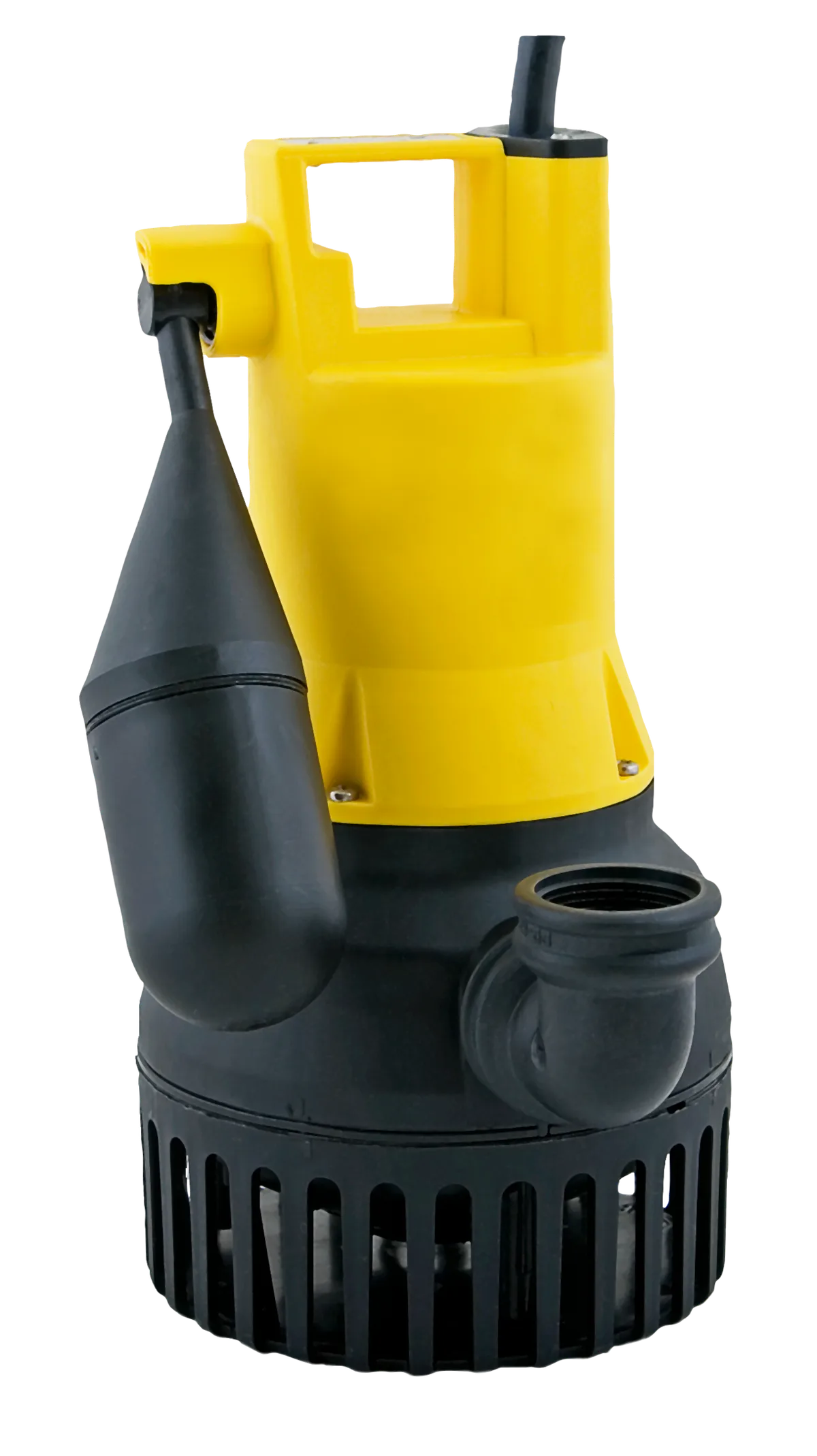
Image source: Wikimedia Commons / PumpExpert (CC BY-SA)
Backfill around the basin with gravel, leaving space at the top for your finished floor material. Run the discharge pipe from the pump outlet toward your planned exit point through the rim joist or band board. Cut a hole slightly larger than the pipe, insert it, and seal gaps with expanding foam to maintain structural integrity and prevent drafts.
Drill through the joist carefully, angling the pipe downward just 1/4 inch per foot toward the exterior. Attach the pipe to the pump discharge using PVC cement or a flexible coupling, then install an in-line check valve within 6 inches of the pump to prevent backflow. For pedestal pumps, drill a 1/8-inch weep hole just above the water line to release trapped air pressure.
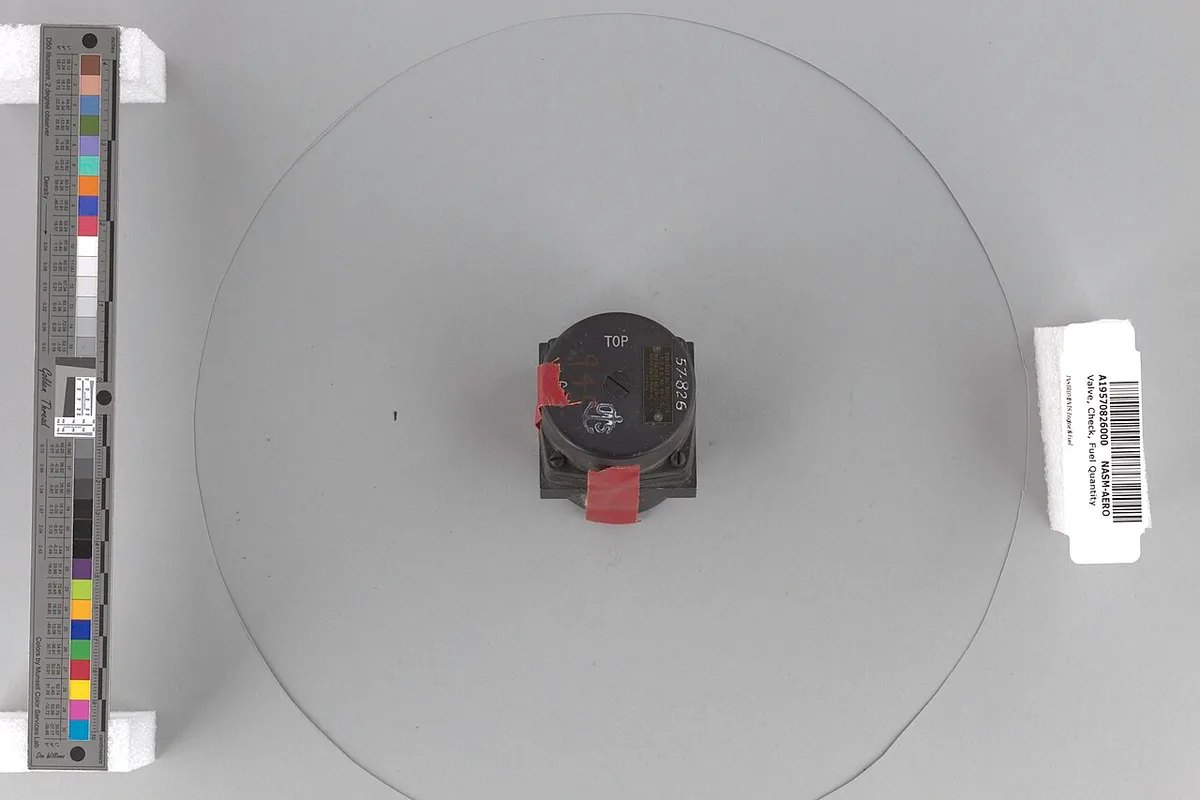
Image source: Wikimedia Commons / United States Gauge Co
Wire the pump to a nearby GFCI outlet on a dedicated 15-amp circuit per National Electrical Code requirements. Test the entire system by pouring several gallons of water into the pit and confirming the float switch activates the pump without hesitation. Verify the check valve closes properly and that water exits freely at the discharge point, at least 10 feet from your foundation.
Let the system run empty before covering the pit and reinstalling any flooring materials.
Critical Mistakes That Cause Failure or Flood Damage
Many homeowners discover too late that undersized pits cause rapid pump cycling, burning out motors within months of installation. Proper basins measure 18 to 24 inches wide and 22 to 30 inches deep depending on your local frost line and water table conditions. A shallow pit forces the pump to start and stop constantly, dramatically shortening its lifespan compared to manufacturer-rated duty cycles.
Airlocks in the discharge line silently sabotage performance when installers forget the tiny weep hole above the pump inlet. This small opening releases trapped air that otherwise creates a vapor lock preventing flow altogether. Always position the check valve vertically within 6 inches of the pump discharge port, never horizontally or buried underground where freezing temperatures can crack fittings.
Electrical errors pose serious safety hazards beyond simple pump failure. Plugging into standard household outlets instead of proper GFCI circuits violates electrical codes and increases electrocution risk during flooding.
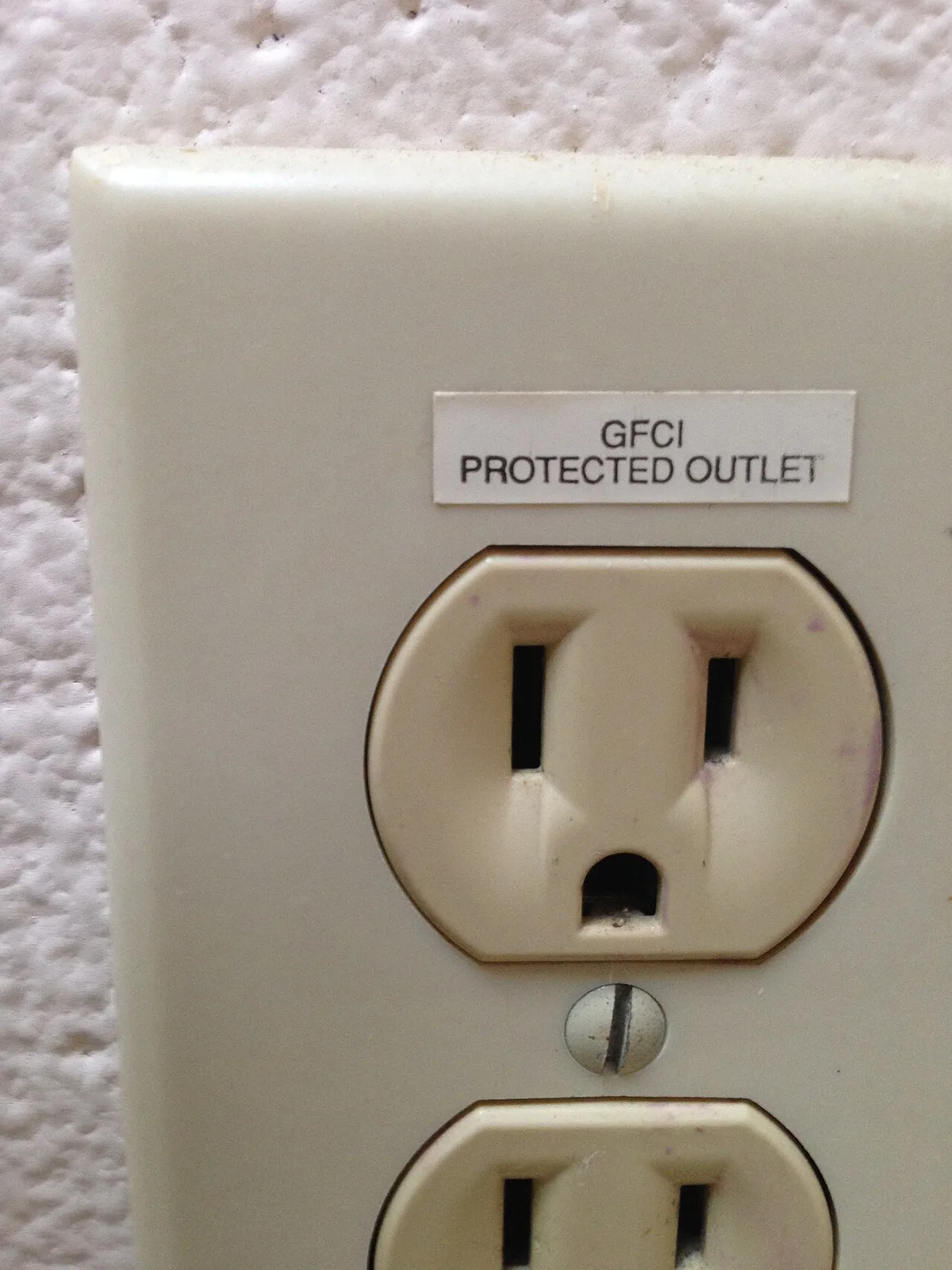
Image source: Wikimedia Commons / dankeck
Running pumps dry destroys seals quickly when installers neglect installing a backup battery system for power outages. During major storms, primary electricity often fails exactly when pumps work hardest, so a secondary battery-powered unit activates automatically to prevent basement flooding that can cost thousands in repairs.
Connecting discharge pipes to municipal sewers or storm drains without permits violates local ordinances in nearly every jurisdiction. Many cities fine homeowners and even require backflow preventers to protect public infrastructure from contamination. Always verify where you can legally discharge water, typically at least 10 feet from your property line away from neighbors' foundations.
Choosing the Right Pump and Backup System for Your Needs
Submersible pumps excel in quiet operation and ice resistance since they sit completely underwater inside the basin. These units handle 1/3 to 1 HP motors effectively for average residential use, especially when paired with battery backups rated for 7 to 10 years of standby power. Pedestal models offer easier maintenance access and cost savings, but expose internal components to freezing temperatures in unheated spaces.
Flow rate requirements depend heavily on your geographic location and soil conditions. Homes in high-water-table regions or areas prone to flash flooding benefit from larger 3/4 HP submersible units pushing 4,000+ GPH through 2-inch discharge lines. Standard residential setups typically require 1/3 HP pumps delivering 2,000 to 3,000 GPH through 1.5-inch piping sufficient for moderate rainfall conditions common across most U.S. zones.
For optimal reliability, combine your primary electric pump with a water-powered backup activated during power failures lasting hours or days. These secondary systems tap household water pressure to eject sump water without batteries or motors, providing unlimited runtime during extended outages. However, water-powered backups increase utility bills due to continuous water consumption, costing approximately $20 to $50 monthly during active storm seasons.
Install battery-powered alternatives requiring minimal replacement every three to five years for lower long-term costs while maintaining automatic operation during electrical grid failures lasting several hours. Always consult local plumbing contractors familiar with regional flood risks and municipal discharge regulations before finalizing your backup strategy.
Frequently Asked Questions
How deep should a sump pit be installed?
Standard residential sump basins sit 24 inches below the existing concrete slab, allowing gravity to pull water into the pit naturally. Deeper installations work better in high-water-table areas but require additional excavation and proper shoring to prevent collapse.
What happens if you don't use a check valve?
Without a check valve, water drains back into the pit after each pump cycle, triggering frequent restarts that wear out the motor prematurely. This constant cycling also increases electricity usage compared to properly sealed systems that maintain prime pressure.
Can you install a sump pump yourself?
Experienced DIYers with basic plumbing and electrical skills can handle installation safely by following local codes requiring GFCI protection and permitted work. However, complex scenarios involving major foundation modifications or commercial properties usually warrant professional consultation.
How much does professional installation cost?
Licensed plumbers charge $500 to $1,500 for complete sump pump installation, including permitting and warranty coverage that protects against future water damage claims denied by insurance companies.
What size sump pump do I need?
One-third horsepower suffices for most homes with moderate water inflow, while half-horsepower units serve larger basements or areas with heavier rainfall patterns effectively throughout demanding seasonal conditions.