
Is a battery backup sump pump worth it for your specific home? The answer depends entirely on your local water table, power grid reliability, and finished basement value. For many homeowners, this secondary system is the only line of defense against catastrophic flooding during storms.
Manufacturer specifications indicate most standard AGM batteries provide four to eight hours of runtime at full load. Per International Residential Code guidelines, proper installation requires dedicated circuits and GFCI protection to ensure safety. Let’s walk through the exact conditions that determine if this investment makes sense for you.
Is a Battery Backup Sump Pump Worth It?
A battery backup sump pump is worth it if you have a finished basement or live in an area with frequent power outages during heavy rain. It prevents costly water damage when your primary AC pump loses power. Homes with high water tables benefit most from this redundancy.
Without one, a single storm can cause thousands in repairs.
When the Math Makes Sense (and When It Doesn't)
The financial case for a backup system hinges on three specific variables. First, calculate your potential loss exposure by assessing what sits below grade. Finished basements with drywall, flooring, and stored valuables present high risk.
Unfinished concrete slabs with minimal storage carry far less financial consequence.
Second, evaluate your local utility reliability during storm season. Check historical outage data from your provider or county emergency management office. Areas losing power more than twice yearly during wet months justify the investment.
Regions with buried lines and rare outages may not warrant the expense.
Third, consider your ability to respond manually during emergencies. If you travel frequently or cannot physically manage a portable generator, automation has value. Remote monitoring capabilities add peace of mind for absent homeowners.
Those always home with a generator might skip the battery entirely.
Insurance discounts can offset costs over time. Many carriers offer premium reductions for verified flood prevention systems. Aggregate reviews report savings between five and fifteen percent annually.
Verify eligibility with your agent before purchasing to confirm actual returns.
Choosing Your Backup: Battery vs. Water-Powered vs. Generator
Your site conditions dictate which backup method performs best. Battery systems excel where municipal water pressure is unreliable or metered expensively. They operate independently of external utilities once charged.
Modern lithium-ion options now offer longer lifespans than traditional AGM batteries as of 2026.
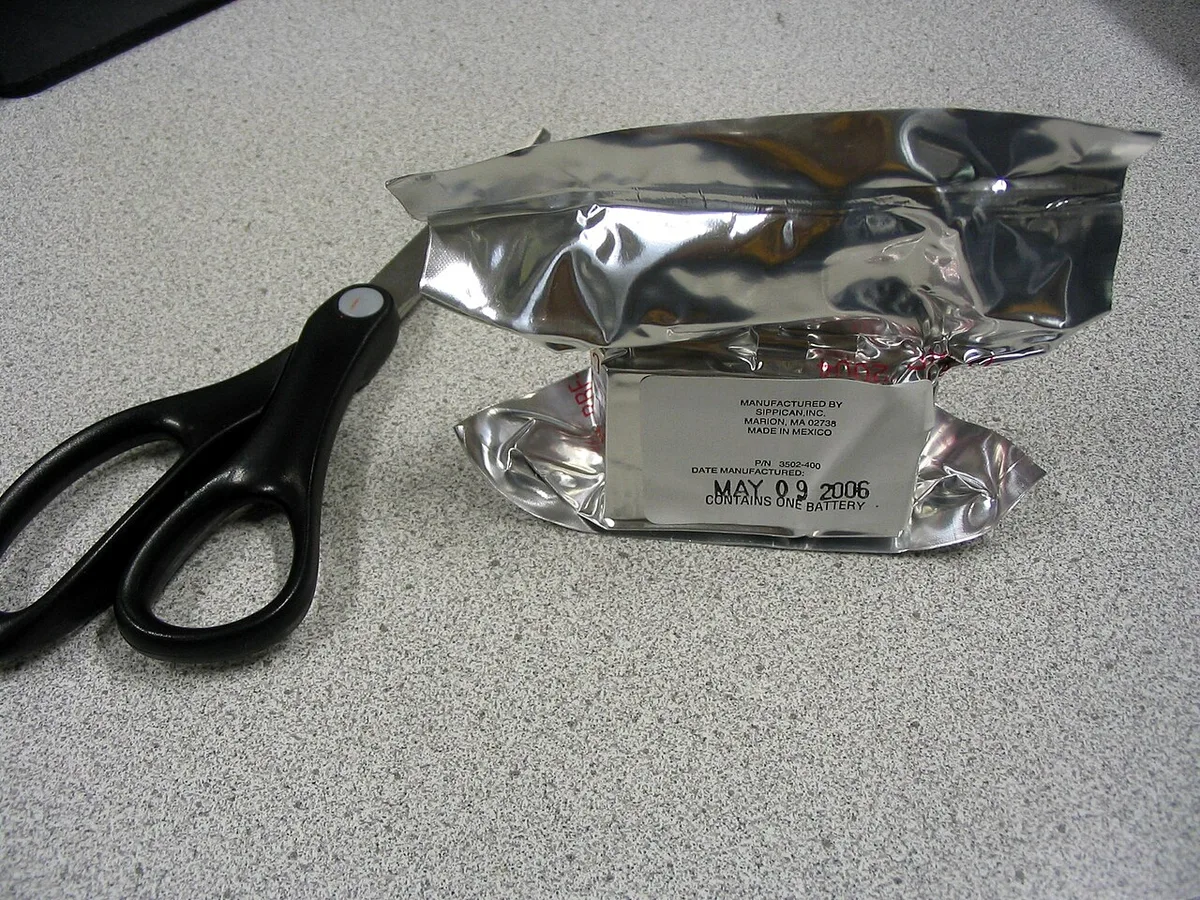
Image source: Wikimedia Commons / JonathanLamb
Water-powered backups suit homes with strong city water pressure and no well dependency. They never need charging or battery replacement. However, they consume significant potable water during operation.
Municipal restrictions may prohibit their use in drought-prone regions.
Standby generators protect entire homes but cost significantly more upfront. They require professional installation and fuel supply maintenance. Portable generators demand manual setup during emergencies.
Neither option provides instant automatic switching like a dedicated battery unit does.
| Backup Type | Best For | Key Limitation |
|---|---|---|
| Battery (AGM/Li-ion) | Automatic protection, wells | Limited runtime |
| Water-Powered | Strong city pressure, low maintenance | High water usage |
| Standby Generator | Whole-home power, extended outages | High cost, fuel needed |
| Portable Generator | Budget-conscious, manual response | Requires human intervention |
Critical Maintenance Mistakes That Kill Batteries Early
Neglect is the primary reason backup systems fail when needed most. Monthly functional tests are non-negotiable for reliable operation. Unplug the primary pump and trigger the float switch manually.
Listen for smooth motor engagement and verify water movement in the discharge pipe.
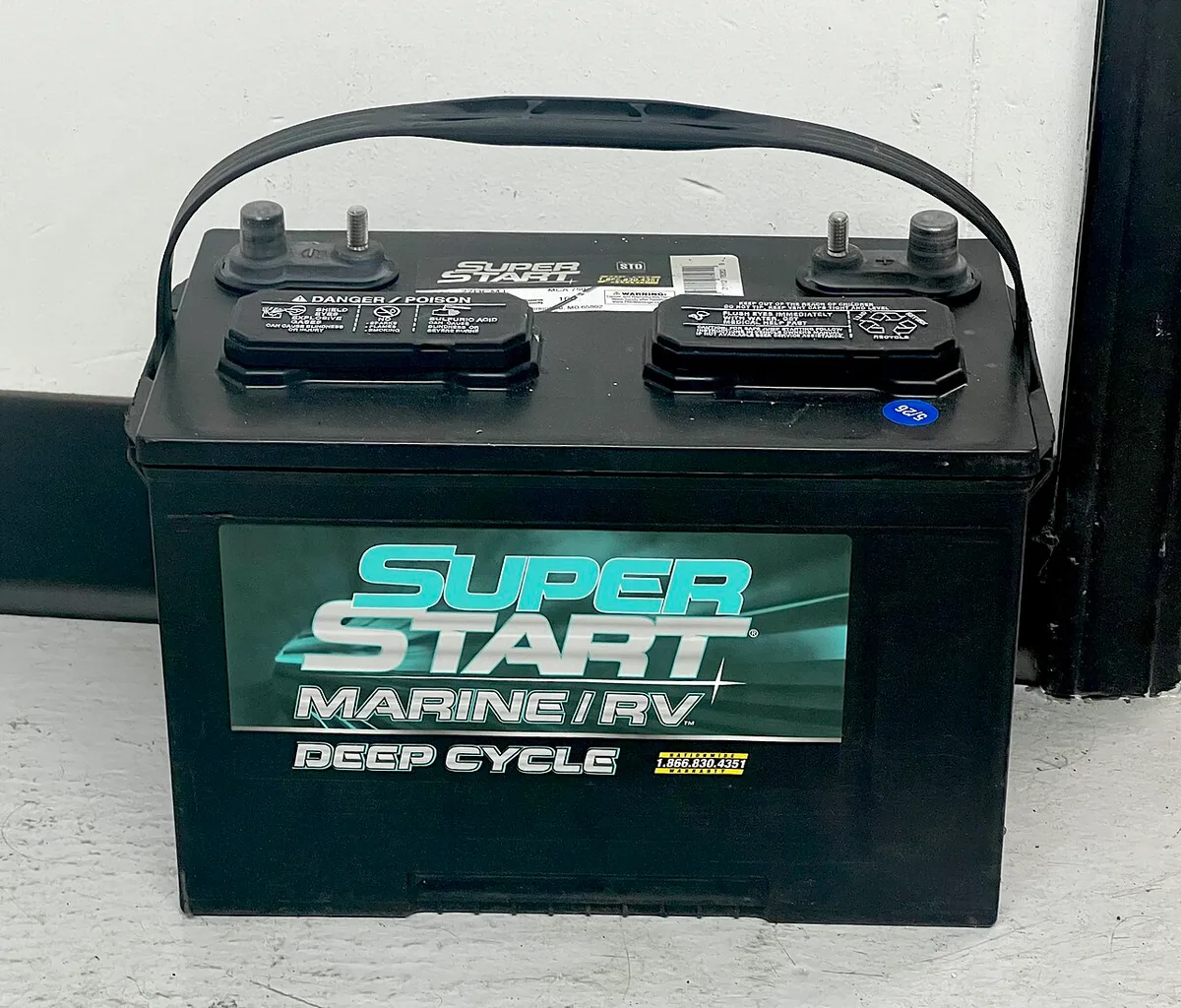
Image source: Wikimedia Commons / TaurusEmerald (CC BY-SA)
Battery terminals corrode silently in damp basement environments. Inspect connections quarterly and clean any white residue immediately. Loose or oxidized contacts prevent proper charging and reduce available capacity.
Apply dielectric grease after cleaning to slow future corrosion buildup.
Charger functionality deserves equal attention during inspections. Use a multimeter to verify output voltage matches manufacturer specifications. A failed charger leaves you with a dead battery despite regular testing.
Replace chargers showing inconsistent readings before they strand you during an outage.
Deep-cycle marine batteries typically last three to five years under normal conditions. Load testing annually reveals declining capacity before complete failure occurs. Don’t wait for the alarm to signal weakness.
Proactive replacement avoids discovering degradation during an actual emergency.
FAQs: Runtime, Costs, and Insurance Discounts
How long will a battery backup sump pump run?
Runtime varies based on battery size and inflow rate. Standard Group 27 AGM batteries typically deliver four to eight hours at full pumping capacity. High-capacity lithium systems can extend this to twelve hours or more.
Heavy rainfall reduces runtime significantly compared to light seepage conditions.
What does professional installation typically cost?
Expect to pay between six hundred and twelve hundred dollars for complete installation. This includes the pump, battery, charger, and labor. Complex plumbing modifications or electrical upgrades increase the price.
DIY installation saves labor costs but requires electrical knowledge and code compliance understanding.
Do insurance companies offer discounts for backup pumps?
Many insurers provide premium reductions for installed flood prevention systems. Discounts typically range from five to fifteen percent annually. Documentation of professional installation is usually required.
Contact your agent directly to verify eligibility and required proof before purchasing equipment.
Can I use a regular car battery instead?
Automotive starting batteries are not designed for deep discharge cycles. They will fail prematurely and potentially leak acid in basement environments. Deep-cycle marine or AGM batteries handle repeated draining safely.
Using the wrong battery type voids warranties and creates safety hazards.
How often should I replace the backup battery?
AGM batteries generally require replacement every three to five years. Lithium-ion options can last seven to ten years with proper maintenance. Annual load testing reveals actual remaining capacity regardless of age.
Replace proactively rather than waiting for failure during a storm event.