
Service your HVAC system at least twice a year, ideally in spring and fall. Regular maintenance ensures efficiency and longevity.
Maintaining your HVAC system is crucial for optimal performance and energy efficiency. Scheduling biannual services, preferably in spring and fall, helps identify and fix potential issues before they escalate. A well-maintained HVAC system not only ensures comfortable indoor temperatures but also improves air quality and reduces energy bills.
Neglecting regular service can lead to costly repairs and decreased system lifespan. Professional technicians can clean components, replace filters, and check for any wear and tear. Consistent maintenance results in a more reliable and efficient HVAC system, providing peace of mind and comfort throughout the year.
Signs Your Hvac Needs Servicing
Your HVAC system is crucial for home comfort. But how do you know when it needs servicing? Recognizing early signs can save you money and avoid major repairs. Below are key indicators that your HVAC system might need professional attention.
Unusual Noises During Operation
Unusual noises are a clear sign of trouble. Listen for banging, clanking, or whistling sounds. These noises could indicate loose parts or other issues. Addressing these sounds early can prevent bigger problems.
Unexpected Increase In Energy Bills
A sudden spike in your energy bill is alarming. This could mean your HVAC system is working harder than usual. Check for dirty filters or leaking ducts. Regular servicing can improve your system’s efficiency.
Inconsistent Temperatures Throughout The Home
Do you notice hot and cold spots in your home? This indicates an issue with your HVAC system. It could be a sign of failing components or poor airflow. Professional servicing can help identify and fix the problem.
Seasonal Hvac Maintenance Tips
Regular HVAC maintenance keeps your home comfortable. Proper upkeep ensures energy efficiency and prolongs system life. Follow these seasonal tips to maintain your HVAC system.
Spring Checkup For Cooling Systems
Spring is the best time to prepare your cooling system.
- Change air filters: Clean or replace air filters every 1-3 months.
- Inspect the outdoor unit: Remove debris from around the unit.
- Check the refrigerant level: Ensure it is within the recommended range.
- Clean the coils: Dirty coils reduce efficiency.
- Test the thermostat: Ensure it functions correctly.
Fall Preparation For Heating Systems
Fall is the perfect time to get your heating system ready.
- Change air filters: Clean or replace air filters regularly.
- Inspect the furnace: Check for any visible damage.
- Clean the burner: Remove any dust or debris.
- Check the heat exchanger: Ensure there are no cracks.
- Test the thermostat: Make sure it switches to heating mode.
| Maintenance Task | Spring | Fall |
|---|---|---|
| Change Air Filters | ✔️ | ✔️ |
| Inspect Outdoor Unit | ✔️ | |
| Check Refrigerant Level | ✔️ | |
| Clean Coils | ✔️ | |
| Inspect Furnace | ✔️ | |
| Clean Burner | ✔️ | |
| Check Heat Exchanger | ✔️ | |
| Test Thermostat | ✔️ | ✔️ |
The Importance Of Regular Filter Changes
The importance of regular filter changes in your HVAC system cannot be overstated. Clean filters ensure your system runs smoothly and efficiently. They also help maintain good air quality in your home. Changing filters regularly can save you money on energy bills. It also extends the life of your HVAC system.
Improving Air Quality
Clean filters play a crucial role in improving air quality. Dirty filters can spread dust, pollen, and allergens. This can cause respiratory issues and allergies. Clean filters trap these particles, keeping your air clean and fresh. They also reduce the risk of mold and bacteria growth.
Enhancing System Efficiency
Regular filter changes are essential for enhancing system efficiency. Clogged filters force your HVAC system to work harder. This leads to higher energy consumption and increased utility bills. Clean filters allow air to flow freely. This improves the overall efficiency of your system.
| Filter Type | Change Frequency |
|---|---|
| Fiberglass Filters | Every 30 days |
| Pleated Filters | Every 3 months |
| HEPA Filters | Every 12 months |
- Improves indoor air quality
- Reduces energy consumption
- Extends HVAC system lifespan
- Prevents mold and bacteria growth
- Reduces respiratory issues
Keep track of your filter type and replacement schedule. Regular maintenance ensures your HVAC system performs at its best. Investing in clean filters pays off in the long run.
Professional Vs. Diy Maintenance
Maintaining your HVAC system is crucial for efficiency and longevity. Understanding the difference between professional and DIY maintenance can help you decide when to handle tasks yourself and when to call in the experts.
Tasks You Can Handle Yourself
Some HVAC maintenance tasks are simple and safe for homeowners. Here are a few:
- Replacing Air Filters: Change air filters every 1-3 months.
- Cleaning Vents and Registers: Remove dust and debris from vents.
- Checking Thermostat Settings: Ensure the thermostat is set correctly.
- Inspecting Outdoor Units: Remove leaves and debris from the outdoor unit.
These tasks require minimal tools and expertise. Regularly performing them can improve your HVAC system’s efficiency and lifespan.
When To Call In The Experts
Some HVAC maintenance tasks require professional expertise. Here are situations when you should contact a professional:
| Task | Reason |
|---|---|
| Annual Tune-Up | Professionals check and tune the entire system. |
| Refrigerant Levels | Only professionals can safely handle refrigerants. |
| Electrical Issues | Licensed technicians should handle electrical repairs. |
| Strange Noises | Unusual sounds may indicate serious issues. |
Professional HVAC technicians have the tools and knowledge to address complex problems. They ensure your system runs safely and efficiently.
How To Choose A Reliable Hvac Service Provider
Choosing the right HVAC service provider ensures your system runs smoothly. A reliable provider will save you time, money, and stress. Here are key steps to find the best provider for your needs.
Checking Licenses And Certifications
Verify that the HVAC provider holds the necessary licenses and certifications. These credentials ensure they meet industry standards. Look for certifications such as NATE (North American Technician Excellence).
Licensed technicians are trained and qualified to handle HVAC systems. Ask for proof of licensing before hiring any service provider. This step guarantees you are working with professionals.
Reading Reviews And Getting Recommendations
Read online reviews to learn about the provider’s reputation. Look for consistent positive feedback. Avoid providers with many negative reviews.
- Check Google Reviews
- Visit Yelp
- Look at BBB (Better Business Bureau)
Ask friends, family, and neighbors for recommendations. Personal experiences can guide you toward trustworthy providers. Recommendations from people you trust are valuable.
| Source | Pros | Cons |
|---|---|---|
| Google Reviews | Wide user base, diverse opinions | Fake reviews possible |
| Yelp | Detailed feedback, user photos | Biased reviews possible |
| BBB | Accreditation, complaint history | Limited user reviews |

Credit: www.angi.com
Understanding The Lifecycle Of An Hvac System
An HVAC system is crucial for home comfort. It heats, cools, and ventilates your space. Knowing its lifecycle helps in planning timely service.
Regular maintenance extends its life and prevents unexpected breakdowns. Here, we explore average lifespan expectations and signs for replacement.
Average Lifespan Expectations
The average lifespan of an HVAC system varies. On average, air conditioners last 10-15 years. Furnaces can last up to 20 years.
Heat pumps usually last 10-15 years. Proper maintenance can extend these lifespans. Regular check-ups are key.
| HVAC Component | Average Lifespan (Years) |
|---|---|
| Air Conditioner | 10-15 |
| Furnace | 15-20 |
| Heat Pump | 10-15 |
Signs It’s Time For A Replacement
- Frequent Repairs: If repairs are often needed, consider a replacement.
- High Energy Bills: Older systems use more energy. A newer system saves money.
- Inconsistent Temperatures: If some rooms are too hot or cold, it may be time.
- Strange Noises: Unusual sounds can signal failing parts.
- Age: If your system is older than its lifespan, plan for a new one.
Keeping these signs in mind helps in timely replacements. This ensures comfort and efficiency in your home. Regular servicing is essential.
The Role Of Technology In Hvac Maintenance
Technology has transformed HVAC maintenance. Advanced tools now make it efficient and reliable. Homeowners can ensure their systems run smoothly and save on costs.
Smart Thermostats And System Efficiency
Smart thermostats are game-changers for HVAC systems. They help maintain the perfect temperature. They adjust settings based on your routine.
- Reduce energy consumption
- Lower utility bills
- Extend HVAC system life
These devices provide detailed reports. You can see your energy usage patterns. This helps in making informed decisions.
Remote Monitoring And Diagnostics
Remote monitoring allows technicians to check your HVAC system from afar. They can diagnose issues without visiting your home.
- Quick problem identification
- Faster repairs
- Reduced downtime
Remote diagnostics save time and money. Technicians can prepare with the right tools and parts. This ensures efficient and effective repairs.
Credit: www.answerforce.com
Cost-benefit Analysis Of Regular Servicing
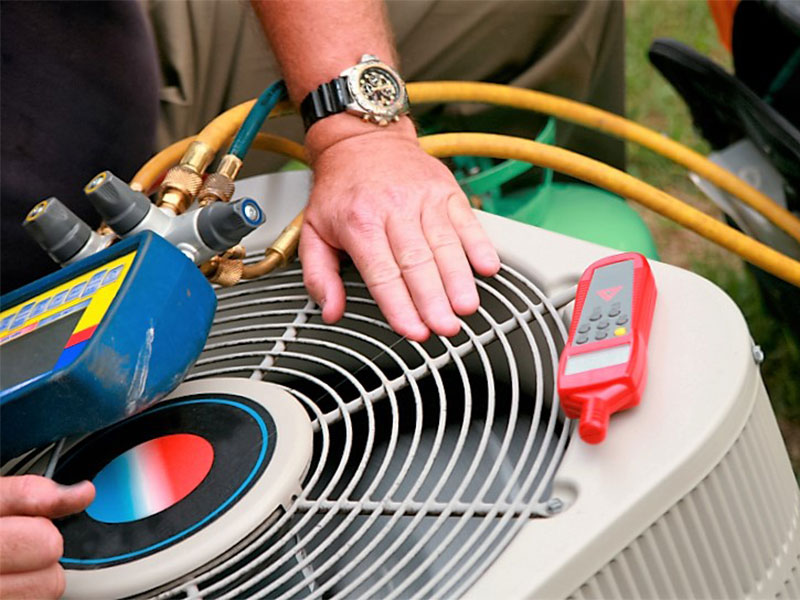
Regular servicing of your HVAC system can save you money. Neglecting it can lead to costly repairs and higher energy bills. Here, we examine the benefits and costs associated with regular HVAC maintenance.
Preventive Maintenance Savings
Preventive maintenance helps you catch issues early. Small problems can turn into big expenses. Regular servicing can prevent these costly repairs.
- Extends the life of your HVAC system
- Reduces the risk of emergency repairs
- Improves energy efficiency
Routine checks can help maintain optimal performance. This keeps your home comfortable and saves on energy bills.
Comparing Costs: Neglect Vs. Regular Care
Let’s compare the costs of neglecting your HVAC system vs. regular care.
| Neglect | Regular Care |
|---|---|
| High repair bills | Lower maintenance costs |
| Reduced system lifespan | Extended system lifespan |
| Higher energy bills | Lower energy bills |
As the table shows, regular care is more cost-effective. Investing in maintenance pays off in the long run. It keeps your HVAC system running smoothly and efficiently.
Credit: ecwaters.com
Conclusion
Regular HVAC servicing ensures optimal performance and longevity. Schedule maintenance at least twice a year. Prioritize spring and fall for check-ups. This helps catch issues early, reducing repair costs. Your system will run efficiently, saving energy and money. A well-maintained HVAC system provides comfort and peace of mind year-round.