
HVAC capacitors fail due to electrical issues, overheating, or age-related wear. Frequent cycling and power surges also contribute.
Capacitors are crucial components in HVAC systems, aiding in motor start-up and operation. Electrical issues such as voltage fluctuations and power surges can damage capacitors, leading to failure. Overheating, often caused by excessive ambient temperatures or poor ventilation, can degrade the capacitor’s internal components.
Age-related wear is another common factor, as capacitors naturally lose their efficiency over time. Frequent cycling of the HVAC system, where it turns on and off repeatedly, can also strain capacitors. Regular maintenance and timely replacements are essential for preventing these issues and ensuring the longevity of your HVAC system. Understanding these failure causes helps in proactive management.

Credit: m.youtube.com
Introduction To Hvac Capacitors
HVAC capacitors are essential in heating, ventilation, and air conditioning systems. They store and release electrical energy, ensuring smooth operation. Without them, HVAC systems can fail or perform poorly.
Role In Hvac Systems
Capacitors help start the motors in HVAC systems. They provide the extra boost needed to get the motors running. Once the motor is running, they help maintain a steady electrical flow. This ensures the HVAC system runs efficiently and reliably.
Types And Functions
| Type | Function |
|---|---|
| Start Capacitors | Provide a high burst of energy to start the motor. |
| Run Capacitors | Maintain a constant flow of electricity to keep the motor running. |
| Dual Run Capacitors | Support both the compressor and the fan motor. |
Start capacitors only work for a short time. They kick in when the motor starts. Once the motor reaches a certain speed, they are disconnected. Run capacitors, on the other hand, work continuously. They ensure the motor runs smoothly and efficiently.
Dual run capacitors are unique. They serve two motors at the same time. They are often found in air conditioning units. This type of capacitor is cost-effective and space-saving.
Common Signs Of Capacitor Failure
HVAC capacitors are essential for your AC system’s operation. Knowing the signs of capacitor failure can save you from discomfort. Here are the common signs that your HVAC capacitor might be failing.
Ac System Not Starting
If your AC system is not starting, a failed capacitor could be the cause. The capacitor provides the initial jolt of electricity to start the system. Without this jolt, the AC won’t turn on.
Humming Noises
A failing capacitor can cause your AC unit to produce humming noises. You may hear these noises even though the fan or compressor is not running. This hum indicates the motor is trying to start but can’t.
Ac Unit Shuts Off Randomly
Does your AC unit shut off randomly? This could be due to a bad capacitor. The capacitor helps the system run smoothly. A failing capacitor can’t maintain the electrical charge needed for consistent operation.
| Sign | Description |
|---|---|
| AC System Not Starting | The system won’t turn on due to lack of initial power jolt. |
| Humming Noises | Indicates the motor is struggling to start. |
| AC Unit Shuts Off Randomly | Inconsistent operation due to insufficient electrical charge. |
Factors Leading To Capacitor Failure
Understanding why HVAC capacitors fail is crucial. Various factors contribute to capacitor failure. Knowing these factors helps in preventing issues.
Overheating
Overheating is a major cause of capacitor failure. High temperatures damage capacitors quickly. A hot environment puts stress on the capacitor. This stress reduces its lifespan.
It’s important to maintain a cool temperature. Overheating can be minimized with proper ventilation. Ensuring good airflow is key to preventing overheating.
Electrical Surges
Electrical surges are another culprit. Power surges can occur due to lightning strikes. Sudden voltage increases can damage capacitors. Surges cause immediate and severe damage.
Using surge protectors can help. They absorb excess voltage. This protects the capacitors from harm. Regular inspections ensure the system is safe.
Wear And Tear Over Time
Wear and tear is inevitable. Over time, capacitors degrade. Continuous use leads to gradual wear. The materials inside break down.
Capacitors have a limited lifespan. Regular maintenance can extend their life. Replacing old capacitors prevents sudden failures. Always monitor their condition for signs of wear.
Credit: myhvacprice.com
The Impact Of Temperature On Capacitors
Temperature plays a crucial role in the performance and lifespan of HVAC capacitors. High temperatures can lead to premature failure, causing headaches for homeowners and technicians alike. Understanding how temperature affects capacitors can help prevent issues and extend their life.
High Ambient Temperatures
High ambient temperatures can cause HVAC capacitors to fail. Capacitors are designed to operate within a specific temperature range. When the temperature exceeds this range, the internal components can overheat. This overheating can lead to the breakdown of the dielectric material inside the capacitor.
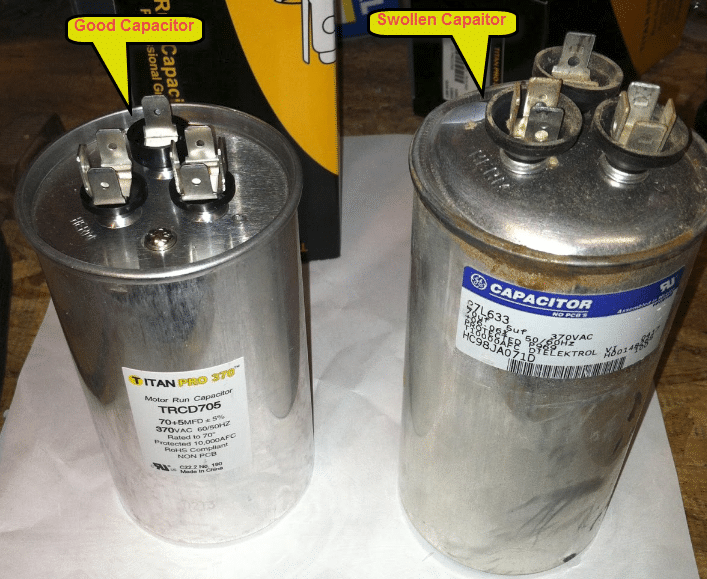
Overheating can cause the capacitor to swell or burst. This results in complete failure. Additionally, high temperatures can accelerate the degradation of the capacitor’s materials. This shortens its lifespan significantly. To mitigate this, ensure adequate ventilation around the HVAC unit.
Lack Of Cooling
A lack of cooling can also contribute to capacitor failure. HVAC systems rely on proper cooling to maintain optimal function. If the system’s cooling mechanism fails, the capacitor can overheat. This overheating occurs because the capacitor cannot dissipate heat effectively.
Here are some common causes of lack of cooling:
- Blocked air filters
- Dirty condenser coils
- Faulty fans
Regular maintenance can help prevent these issues. Ensure air filters and condenser coils are clean. Check the fans for any signs of wear and tear. Proper maintenance can enhance the cooling efficiency of your HVAC system. This, in turn, protects the capacitor from overheating and failure.
Electrical Issues Affecting Capacitors
HVAC capacitors often face electrical issues. These issues cause them to fail. Understanding these problems can help maintain your HVAC system’s efficiency.
Voltage Fluctuations
Voltage fluctuations are a common cause of capacitor failure. Capacitors are designed to handle specific voltage levels. Too high or too low voltages stress the capacitor. This can lead to overheating and eventual failure.
Voltage fluctuations can be caused by:
- Poor power supply quality
- Inconsistent electricity from the grid
- Faulty electrical components
Power Outages
Frequent power outages can also damage capacitors. Each time the power goes out, the capacitor experiences a surge. This surge can cause internal damage.
Power outages can occur due to:
- Storms
- Grid failures
- Maintenance work
To protect your capacitors, consider using a surge protector. This device can help manage the voltage surges during power outages.
Physical Damage And Its Consequences
HVAC capacitors are vital for your system’s efficiency. Physical damage can lead to their failure. This section explores the impact of physical damage on HVAC capacitors. Understanding these damages helps in maintaining your HVAC system.
Impact Damage
Impact damage occurs from external forces. These forces can dent or crack the capacitor. Such damage disrupts the capacitor’s function. Common causes include dropping or bumping the unit.
- Dropped tools during maintenance.
- Accidental kicks or hits.
- Misplacement during installation.
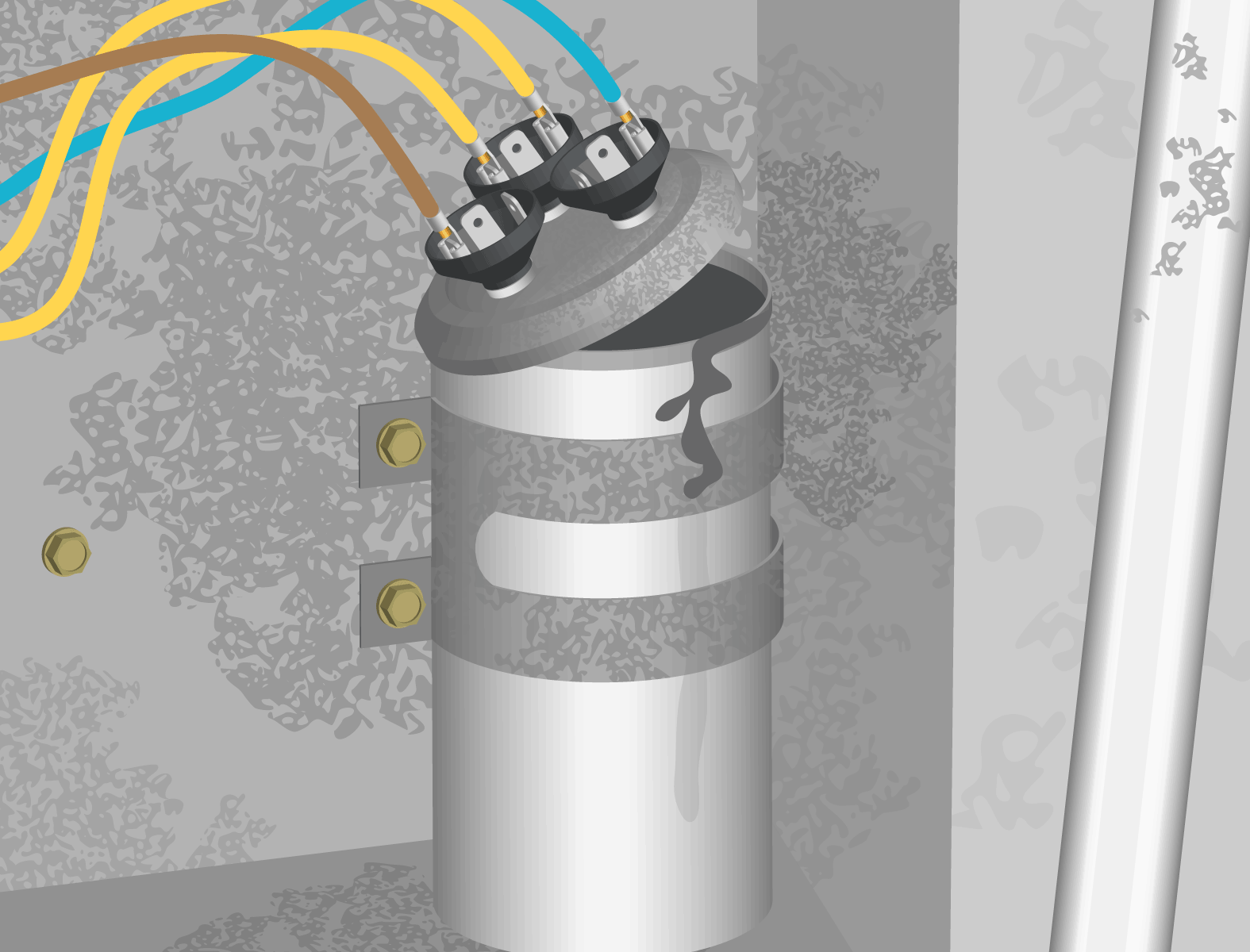
Impact damage can lead to short circuits. It may also cause leakage of electrolyte. Both issues result in capacitor failure.
Water And Corrosion Damage
Water exposure is another major cause of damage. Moisture can seep into the capacitor, leading to corrosion. Corrosion degrades the internal components.
| Cause | Effect |
|---|---|
| Water ingress | Corrosion of internal parts |
| High humidity | Oxidation of metal components |
Corrosion can cause electrical resistance. Increased resistance reduces the capacitor’s efficiency. Over time, it may lead to complete failure.
Preventive Measures And Maintenance Tips
Understanding why HVAC capacitors fail is crucial. Proper preventive measures and maintenance can extend their lifespan. Here are some tips to help you keep your HVAC system in top shape.
Regular Inspections
Conducting regular inspections can prevent unexpected capacitor failures. Schedule routine checks every six months. Look for signs of wear and tear. Ensure the capacitor is not bulging or leaking. Use a multimeter to check the capacitor’s charge. An inspection table can help track your findings:
| Inspection Date | Condition | Notes |
|---|---|---|
| 01/01/2023 | Good | No issues |
| 01/07/2023 | Worn | Needs replacement |
Proper Installation Practices
Proper installation practices are vital for capacitor longevity. Ensure the capacitor is correctly rated for your system. Avoid using undersized or oversized capacitors. Follow manufacturer’s guidelines during installation. Use the right tools to secure connections. Poor connections can lead to failures. Follow this installation checklist:
- Check the capacitor rating
- Follow manufacturer’s guidelines
- Secure all connections
- Use the right tools
Implement these tips to keep your HVAC system running smoothly. Regular inspections and proper installations can prevent costly repairs. Maintaining your HVAC system ensures comfort and efficiency.
Understanding The Replacement Process
HVAC capacitors can fail for various reasons. Knowing the replacement process is crucial. This guide will help you understand when and how to replace an HVAC capacitor.
When To Replace
Capacitors should be replaced when they show signs of failure. Look for symptoms like a humming noise, the system not starting, or rapid clicking noises. These signs indicate the capacitor is weak or dead.
- Humming noise from the unit
- System not starting
- Rapid clicking sounds
Regular checks can prevent sudden failures. Inspect the capacitor during routine maintenance.
Choosing The Right Capacitor
Selecting the correct capacitor is vital. Use the specifications on the old capacitor. These include the microfarad (µF) rating and voltage.
| Specification | Details |
|---|---|
| Microfarad Rating | Check the µF rating on the old capacitor |
| Voltage | Ensure the voltage matches the old one |
Purchase a high-quality capacitor. This ensures longevity and better performance.
Follow these steps and ensure your HVAC system runs smoothly.
Credit: www.kalosflorida.com
Conclusion
Understanding why HVAC capacitors fail can save you time and money. Regular maintenance and timely replacements are crucial. Always consult a professional for any HVAC issues. Proper care ensures your HVAC system runs efficiently. Protect your investment by staying informed and proactive.
Regular checks prevent unexpected breakdowns.