
You’ve just overseeded your lawn, and now you’re standing there, looking at your grass and wondering, “Can I mow my lawn after overseeding?” It’s a common question that many homeowners have, and it’s crucial to know the right timing to avoid sabotaging your efforts.
Overseeding is a fantastic way to rejuvenate your lawn, filling in those bare spots and boosting its overall health. But timing your mowing correctly can make all the difference between a lush, green carpet of grass and a patchy mess.
Imagine the satisfaction of seeing your lawn transform into the envy of the neighborhood. You’re not alone in wanting that perfect lawn, and understanding the dos and don’ts of mowing after overseeding is a significant part of achieving it. Before you fire up that mower, let’s dive into what you need to know to ensure your lawn becomes the vibrant, healthy landscape you envision. Stick with us, and you’ll discover the secrets to maintaining your lawn’s new growth without risking the progress you’ve made.

Credit: www.youtube.com
Overseeding Basics
Overseeding is like hitting the refresh button on your lawn, giving it a new lease on life. It involves planting new grass seeds over existing grass to thicken your lawn and fill in bare patches. If you want a lush, green yard that makes your neighbors green with envy, understanding overseeding basics is essential.
What Is Overseeding?
Overseeding is the process of adding grass seed to your existing lawn. It helps to improve the density of the grass and enhance its color. This practice is particularly beneficial for older lawns that have thinned out over time.
Why Should You Overseed?
If your lawn looks tired and patchy, overseeding can bring it back to life. It introduces new grass varieties that may be more resilient to pests and diseases. A thicker lawn also naturally crowds out weeds, reducing the need for chemical treatments.
When Is The Best Time To Overseed?
The ideal time to overseed depends on your local climate. For cool-season grasses, early fall is generally best. If you have warm-season grasses, late spring or early summer might be more suitable.
How To Prepare Your Lawn For Overseeding?
Preparation is key to successful overseeding. Start by mowing your lawn shorter than usual. This allows the new seeds to reach the soil more easily. You should also rake away debris to ensure good seed-to-soil contact.
Can You Mow After Overseeding?
Mowing too soon can harm the delicate new seedlings. Wait until the new grass is at least 3 inches tall before mowing. This allows the roots to establish and the grass to grow strong.
Have you tried overseeding before? If so, what was your biggest challenge? Share your experience in the comments below and let’s keep our lawns looking spectacular together!
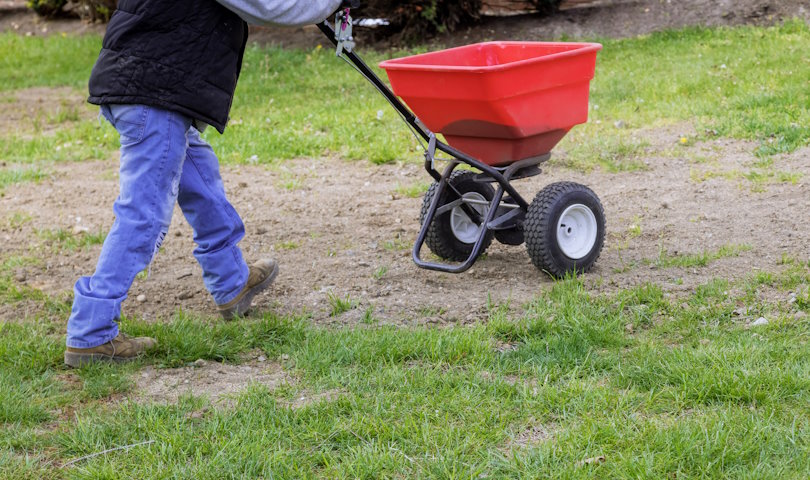
Credit: www.powerequipmentct.com
Timing And Techniques
Timing and techniques play a vital role in lawn care, especially after overseeding. Knowing when to mow can affect grass health and growth. Proper techniques ensure the lawn thrives, making the yard lush and beautiful.
Timing Matters
Understanding the right time to mow is essential. Wait until grass grows to a height of 3-4 inches. This allows new seeds to establish roots. Mowing too early might uproot new grass. It can also hinder growth, leading to patchy areas.
Using The Right Techniques
Using proper mowing techniques is crucial. Set the mower blade high to avoid cutting too short. This helps in keeping the grass strong. Always use sharp blades for a clean cut. Dull blades tear the grass, causing stress.
Frequency Of Mowing
Mow regularly but not excessively. Frequent mowing promotes healthy growth. It prevents grass from overshadowing new sprouts. Aim for once a week if growth is rapid. Adjust frequency based on weather and grass type.
Watering Considerations
Watering impacts mowing schedules. Avoid mowing wet grass. Wet grass clumps, making mowing difficult. It can also lead to uneven cuts. Wait for grass to dry for best results.
Seasonal Adjustments
Seasons affect mowing routines. In cooler months, grass grows slowly. Reduce mowing frequency. During warmer seasons, mow more often. Adjust based on grass growth patterns.
Post-overseeding Care
After overseeding your lawn, proper care is crucial for healthy growth. Neglecting post-overseeding care can hinder seed germination and grass establishment. Understanding the right steps ensures a lush, green lawn.
Watering The Lawn Correctly
Water the overseeded area gently. This helps seeds settle into the soil. Keep the soil consistently moist. Do not let it dry out. Light, frequent watering is ideal. Avoid puddles and waterlogging.
Avoiding Foot Traffic
Limit foot traffic on the freshly seeded area. Walking on the seeds can disrupt growth. Use temporary barriers to guide foot traffic. Protecting young grass is essential.
First Mowing After Overseeding
Wait until the new grass reaches 3-4 inches in height. This ensures strong root establishment. Mow with a sharp blade to avoid tearing. Set the mower to its highest setting. This reduces stress on new grass.
Fertilizing The Lawn
Avoid fertilizing immediately after overseeding. Allow seeds to establish first. Use a balanced, slow-release fertilizer later. This promotes healthy growth. Follow package instructions carefully.
Monitoring And Maintenance
Keep an eye on weed growth. Weeds compete with new grass for nutrients. Remove them manually if possible. Maintain regular watering schedules. This supports grass development. Adjust care as needed for lawn health.

Credit: www.youtube.com
Conclusion
Mowing after overseeding requires patience. Grass roots need time to grow strong. Wait at least two weeks before mowing. This helps young grass establish itself. Cutting too soon harms growth. Use sharp blades for a clean cut. Set mower height high to avoid stress.
Regular watering boosts seed development. Avoid heavy foot traffic on new grass. Protect your lawn’s health by following these tips. Your patience leads to a lush, healthy lawn. Enjoy the process and watch your lawn thrive. Proper care results in vibrant green grass.
A little patience pays off in beauty.