
Have you ever wondered if mowing your lawn could actually harm your hearing? It might seem surprising, but the noise from your lawn mower could be louder than you think.
This common household task may expose you to sound levels that can lead to hearing damage over time. Before you dismiss this as just another health scare, consider this: protecting your hearing is crucial for maintaining your quality of life.
Imagine a world where the simple pleasure of listening to your favorite music or having a conversation with loved ones becomes a challenge. By reading further, you’ll discover how to keep your ears safe while still maintaining a pristine lawn. Let’s explore the potential risks and, more importantly, how you can protect yourself and your family.
Noise Levels Of Lawn Mowers
When you think about mowing the lawn, you probably don’t imagine it causing harm beyond an itchy nose or a sunburn. However, the noise levels of lawn mowers might be more dangerous than you think. Have you ever wondered how that constant droning affects your hearing? Let’s dive into the noise levels of these common machines, and why it’s important to pay attention.
Understanding Decibel Levels
Lawn mowers typically operate at noise levels between 85 to 100 decibels. To put that into perspective, normal conversation is about 60 decibels. Regular exposure to noise over 85 decibels can lead to hearing damage.
Remember that time you left a concert with ringing ears? That’s your hearing saying it’s had enough. Prolonged exposure to a loud lawn mower can have the same effect.
The Impact Of Prolonged Exposure
Using your lawn mower for just 15 minutes without ear protection can start to harm your hearing. It’s not just about the volume but the duration of exposure. Consider how often and how long you are mowing your lawn.
Have you ever noticed a slight ringing in your ears after mowing? That’s a warning sign. Over time, this could lead to permanent hearing loss.
Protecting Your Hearing
Are you taking steps to protect yourself while mowing? Ear protection like earplugs or earmuffs can significantly reduce the risk. They can lower the noise exposure to safer levels.
Imagine a future where you can still enjoy the sounds of your favorite music or your grandchildren’s laughter. Investing in simple hearing protection now can help ensure that.
Are Quieter Mowers An Option?
Have you considered switching to a quieter model? Electric and battery-powered mowers tend to be less noisy. They offer a quieter solution without sacrificing performance.
Next time you’re in the market for a mower, weigh the noise levels as a key factor. Your ears will thank you for it.
As you think about the noise levels of lawn mowers, what steps will you take to protect your hearing? It’s worth considering, especially if you value your long-term hearing health. Taking action today could make a significant difference tomorrow.

Credit: www.facebook.com
Impact On Hearing Health
Many people enjoy the look of a well-maintained lawn. Yet, the tools used to achieve this can harm your ears. Lawn mowers, often louder than expected, can impact hearing health negatively. Understanding these effects is essential for protecting your ears.
Understanding Noise Levels
Lawn mowers can reach up to 90 decibels. This is loud enough to cause hearing issues. Long-term exposure can lead to permanent damage. It’s crucial to recognize these noise levels. Awareness helps in taking protective measures.
Consequences Of Prolonged Exposure
Exposure to loud noise can harm the tiny hair cells in the ear. These cells help in hearing. Damage to them is often irreversible. This results in hearing loss or tinnitus. Tinnitus is a constant ringing in the ears. It can be frustrating and distracting.
Signs Of Hearing Damage
Common signs include muffled hearing and difficulty understanding speech. Ringing or buzzing in the ears is another indicator. If these symptoms appear, consult a hearing specialist promptly. Early detection can prevent further damage.
Preventative Measures
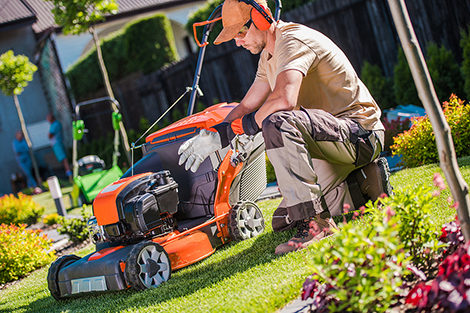
Wearing ear protection can significantly reduce noise exposure. Earplugs or earmuffs are effective. Limiting the time spent using a lawn mower also helps. Take regular breaks to give your ears a rest.
Protective Measures For Safe Use
Lawn mowers can be loud enough to harm your hearing. Wearing ear protection like earmuffs or earplugs is important. Regular breaks and maintaining a safe distance from the noise source can also help protect your hearing.
When it comes to mowing your lawn, protecting your ears might not be the first thing on your mind. However, lawn mowers can produce noise levels that are potentially harmful to your hearing. Simple protective measures can help you maintain your lawn safely without risking damage to your ears. Let’s dive into practical steps you can take to protect your hearing while enjoying a well-kept yard.Understanding The Risks Of Lawn Mower Noise
Lawn mowers typically emit sound levels between 85 to 100 decibels, which can harm your hearing after prolonged exposure. You might not notice it immediately, but over time, this can lead to permanent hearing loss. Consider the last time you mowed your lawn—did you feel a ringing in your ears afterward? That’s a sign your ears are under stress.Invest In Quality Hearing Protection
Ear protection is crucial. Options include earplugs and earmuffs, both of which are effective at reducing noise. Earplugs are small, easy to carry, and fit snugly in your ear canal. Earmuffs, on the other hand, cover the entire ear and are great for those who find earplugs uncomfortable. Try both to see which works best for you.Regular Maintenance Of Your Lawn Mower
A well-maintained mower runs more quietly. Check the muffler, blades, and engine regularly. A faulty muffler can increase noise levels significantly. Sharpening the blades ensures the mower cuts cleanly, reducing engine strain and noise output. By maintaining your equipment, you not only prolong its life but also protect your hearing.Limiting Exposure Time
Consider breaking down your mowing tasks into shorter sessions. Instead of mowing your entire lawn in one go, split it into manageable parts. This reduces the time your ears are exposed to loud noise. Think about it—wouldn’t it be nice to enjoy a cold drink and relax between sessions?Utilizing Noise-reducing Technology
Some modern lawn mowers come equipped with noise-reducing technology. If you’re in the market for a new mower, look for models that prioritize quieter operation. Electric mowers, for instance, generally produce less noise compared to gas-powered ones. This could be a smart investment for your ears and your peace of mind. Your hearing is precious. By taking these protective measures, you can enjoy the satisfaction of a perfectly mowed lawn without compromising your hearing health. What steps will you take to safeguard your ears the next time you mow?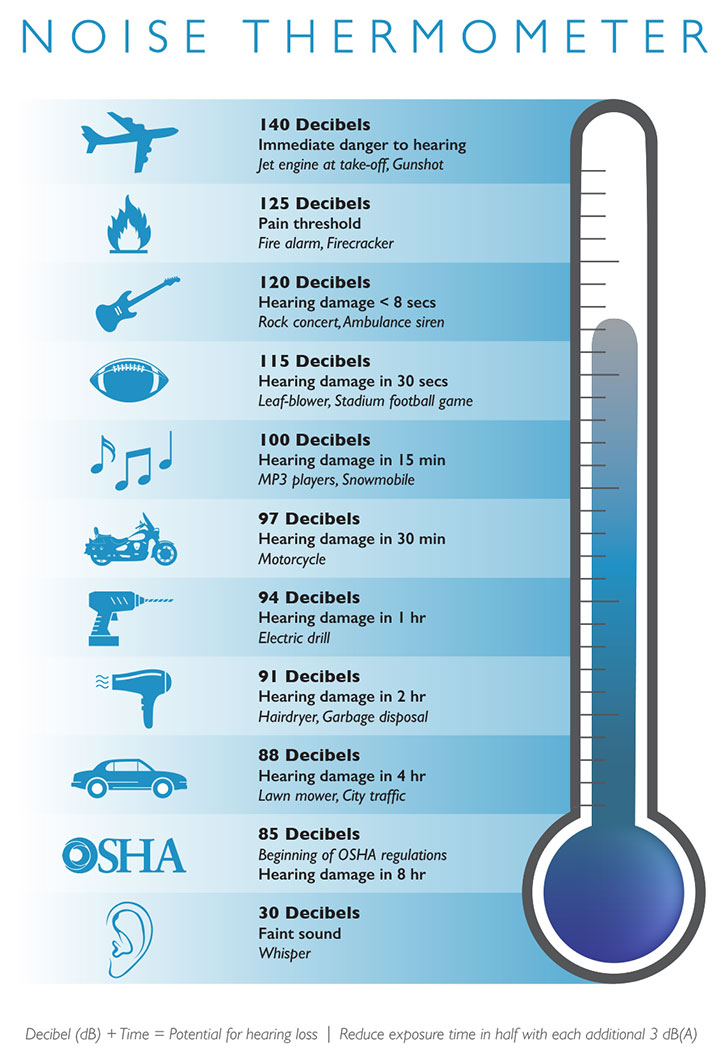
Credit: www.betterhearing.org
Credit: www.captel.com
Conclusion
Protecting your hearing while mowing is crucial. Lawn mowers can be loud. This noise might harm your ears. Wearing ear protection helps. Choose earplugs or noise-canceling headphones. Simple actions can prevent damage. Keep your hearing safe for the future. Awareness is key.
Pay attention to noise levels. Prioritize hearing health. Your ears deserve care. Remember, prevention is better than cure. Stay safe while maintaining your lawn. Enjoy gardening without risk. Hearing is precious and irreplaceable. Protect it wisely.