
Yes, a sump pump can move water to a higher floor, but only within strict limits determined by its motor strength and the total vertical rise required. Pushing water upward fights gravity directly, and every additional foot of lift dramatically reduces how much water the pump can move per minute.
A typical residential sump pump rated at 1/3 horsepower handles 10 to 15 feet of vertical lift before flow drops below useful levels. Manufacturer specifications confirm these pumps deliver around 1,500 GPH at 10 feet of head, but that figure plummets to under 200 GPH at 20 feet. Understanding this relationship between horsepower and lift determines whether your setup will work.
can a sump pump pump water to a higher floor
Yes, a sump pump can pump water to a higher floor if the vertical lift stays within the pump's rated capacity.
Most residential pumps handle 10 to 15 feet of lift effectively.
Beyond that, flow rate drops significantly.
A 1/3 HP pump moves about 1,500 GPH at 10 feet of head.
Higher horsepower models reach 20 to 25 feet but cost more.
Always check manufacturer specs for your specific model's performance curve.
How Vertical Lift Works and What Kills Your Pump
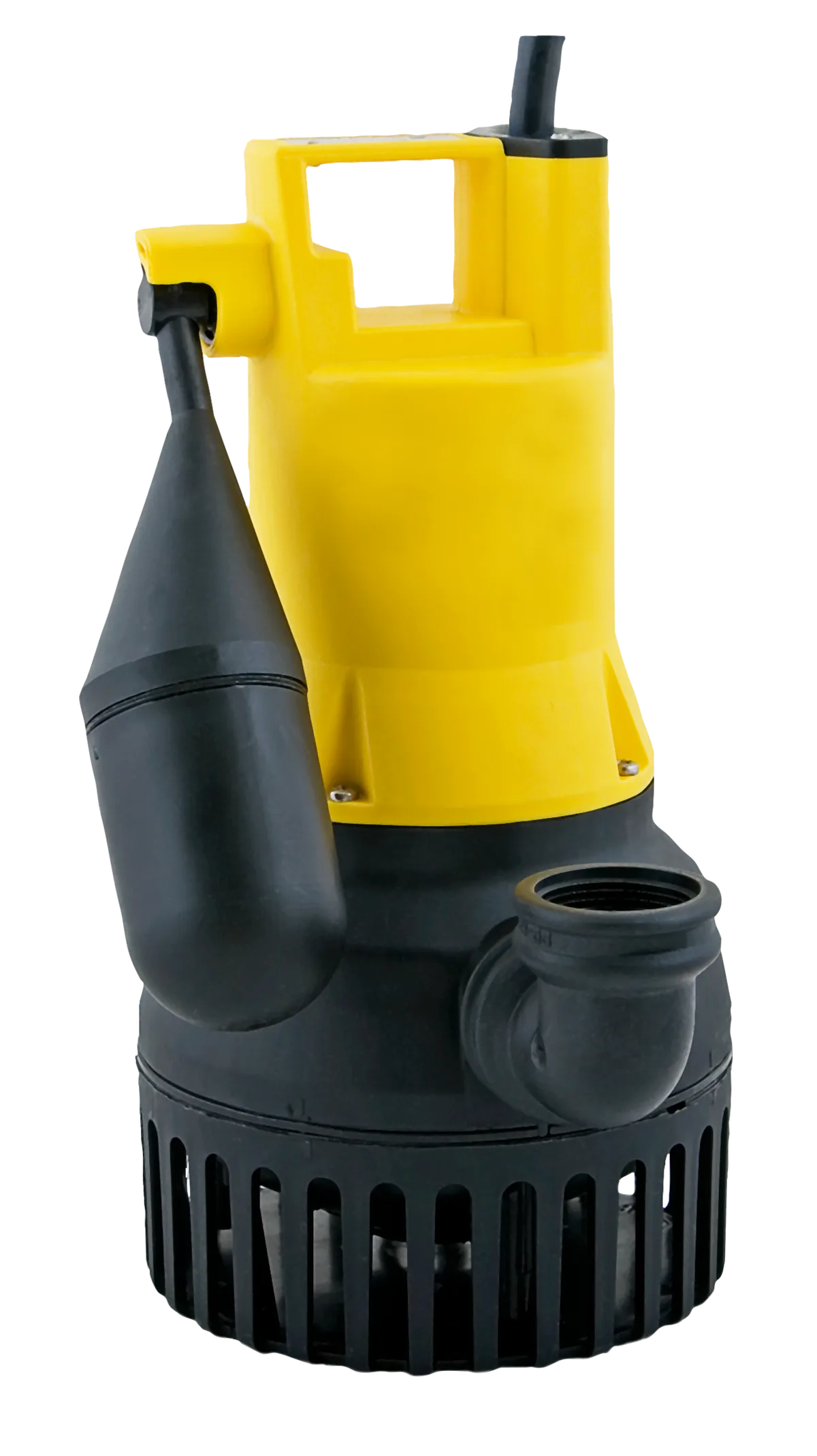
A sump pump doesn't just lift water; it pushes it through a system. The total resistance comes from vertical lift plus friction in your discharge pipes. This combined force is called total dynamic head (TDH).
Every 90-degree elbow adds the equivalent of several feet of straight pipe.
Manufacturers rate pumps by maximum lift, but real-world performance depends on maintaining adequate gallons per hour (GPH) at your required head pressure. A pump rated for 20 feet of lift might only deliver 300 GPH at that height compared to 2,000 GPH near zero head.
Key factors killing performance:
- Vertical rise exceeding pump capacity
- Narrow discharge piping causing friction loss
- Clogged check valves creating back-pressure
- Inadequate basin size causing frequent short-cycling
Per ASPE plumbing standards, you should size pumps based on actual flow requirements, not just maximum head ratings.
Sump Pump Types That Actually Handle High Lift
Not all sump pumps perform equally when pushing water upward. Submersible pumps dominate high-lift applications because their sealed motors operate cooler underwater. Pedestal pumps, with their exposed motors, struggle beyond 15 feet of lift.
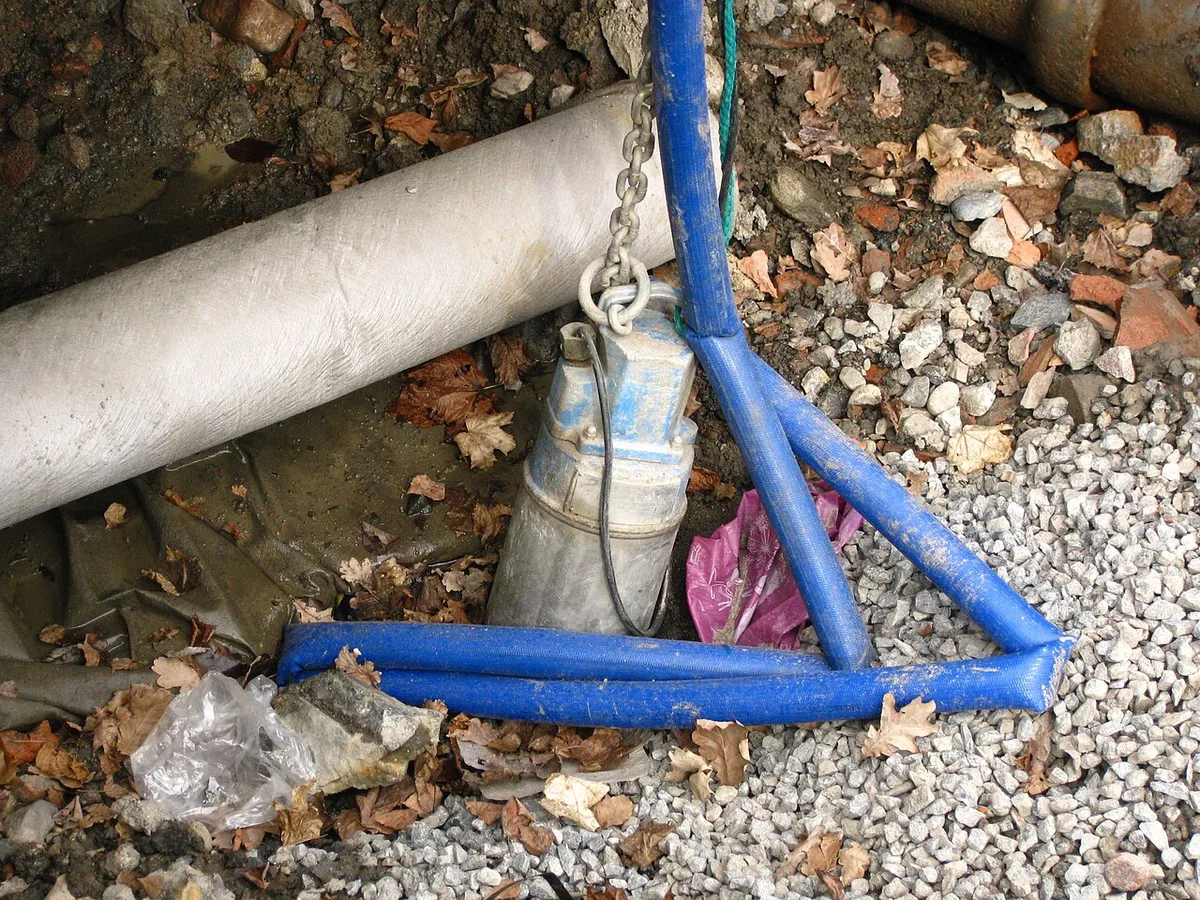
Higher horsepower equals greater lift capability, but also higher cost and energy consumption. Here's how common residential pumps compare:
| Pump Type | Horsepower | Max Lift | GPH at 10ft |
|---|---|---|---|
| Standard submersible | 1/3 HP | 15 ft | 1,500 |
| Heavy-duty submersible | 1/2 HP | 20 ft | 900 |
| High-capacity submersible | 3/4 HP | 25 ft | 400 |
For multi-story buildings, consider utility pumps or grinder pumps designed for continuous duty. These handle 30 to 40 feet of lift but require 115V or 230V electrical connections.
Always verify that your electrical circuit can support the higher amperage draw. A 3/4 HP pump may pull 12 to 15 amps during startup. LG dryer troubleshooting codes demonstrate the importance of matching electrical capacity to motor demands.
Real-World Scenarios and When You Need Alternatives
Most homeowners assume their standard sump pump handles any job, but real-world conditions rarely match showroom specifications. Consider these common situations:
Scenario 1: Two-story walkout basement where discharge must reach grade level plus an upper deck 18 feet above pit level. A 1/2 HP submersible barely maintains 500 GPH.
Scenario 2: Commercial building pumping from underground vault to roof drainage 35 feet above. Requires 1 HP grinder pump with 2-inch discharge piping.
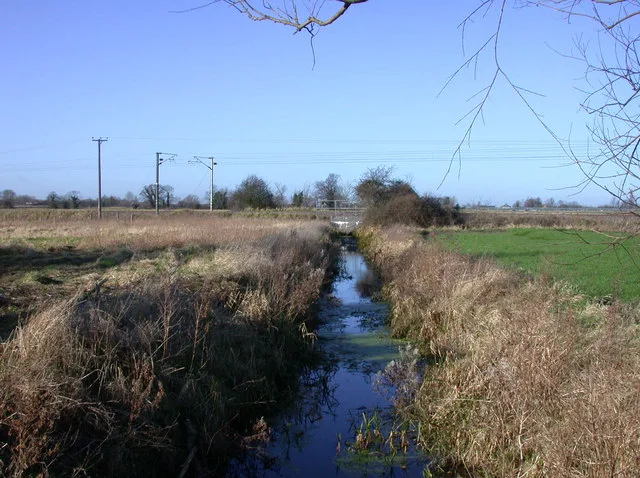
When vertical lift exceeds practical pump limits, gravity drainage becomes the preferred alternative. This involves routing discharge pipe downward first, then horizontally to an exit point lower than your starting elevation.
Common alternatives when pumps won't cut it:
- Downward-sloped piping to street-level discharge
- Multiple pump stages with intermediate collection points
- Separate utility pump for high-head applications
- Gravity-fed French drain systems directing water away from structure
For installations beyond 25 feet of lift, consult a plumbing professional. The risk of pump failure increases exponentially with system complexity.
Frequently Asked Questions
Can a 1/3 HP sump pump lift water 20 feet?
No, a 1/3 HP pump typically handles 10 to 15 feet maximum. At 20 feet, flow drops below 200 GPH.
What size pump do I need to pump to the second floor?
A 1/2 HP submersible usually suffices for 15 to 20 feet of lift, assuming standard piping.
How does pipe size affect pumping height?
Larger diameter piping reduces friction loss. A 2-inch discharge line moves significantly more water than 1.25-inch piping.
Can I use my sump pump for basement flooding?
Yes, but only temporarily. Sump pumps aren't designed for continuous high-volume dewatering.
What happens if I exceed my pump's lift capacity?
Flow stops entirely once static pressure exceeds the pump's maximum head rating, leaving water backed up.