
Can a dehumidifier drain into a sump pump? Yes, but only if your setup matches the right conditions. We've seen homeowners assume any dehumidifier hose will work with any sump basin, then deal with overflow or pump burnout.
The real question isn't whether it's possible, but whether your specific equipment and plumbing are compatible. Let's break down what matters and how to connect things safely.
Most dehumidifiers ship with a 3/8-inch internal diameter (ID) drain hose, while standard sump discharge pipes run 1.5 to 2 inches in diameter. That gap alone won't stop drainage, but it does affect flow speed and connection method. Per the International Residential Code (IRC) plumbing standards, any secondary drain line must prevent backflow into living spaces.
Now let's look at whether your system meets those requirements.
can a dehumidifier drain into a sump pump
Yes, if your dehumidifier has a drain hose and your sump pump has an accessible discharge line or basin opening. Connect the hose securely with a clamp or adapter fitting. Monitor for backflow or pump overload during heavy operation.
Professional installation may be needed for sealed sump systems.
Not all setups are compatible out of the box. You'll need to check three main factors: hose size, pump capacity, and local code compliance.
If your dehumidifier drain hose is 3/8-inch ID and your sump discharge pipe is 1.5-inch or larger, you'll need a reducing bushing or threaded adapter to bridge the gap.
If your sump pump runs continuously due to high groundwater, adding dehumidifier wastewater may overload the system. A dedicated condensate pump often works better in those cases.
If local plumbing codes require backflow prevention, you must install a check valve between the dehumidifier drain and sump basin to prevent contamination.
Quick compatibility checklist
- Dehumidifier has continuous drain port (most models 2018+ do)
- Drain hose ID measures 3/8, 1/2, 5/8, or 3/4 inch
- Sump basin has removable lid or dedicated drain inlet
- Check valve already installed or space to add one
- Discharge pipe accessible for T-fitting or Y-connection
Core Explanation How It Works and When It Works
A dehumidifier removes moisture from air, collecting water in an internal tank or routing it through a drain hose. Gravity normally handles the flow if the hose runs downhill to a floor drain or sump basin. But if your dehumidifier sits higher than your sump pit, or the hose path is too long, you'll need pump assistance.
Sump pumps activate when water levels rise in the basin, pushing everything through a discharge pipe to the exterior. When you tie into that line, your dehumidifier effluent becomes part of the same flow. Manufacturer specifications indicate most residential dehumidifiers produce 5 to 20 gallons per day, depending on humidity and model size.
When it works without extra parts
- Floor drain near dehumidifier (gravity feed)
- Sump basin with open lid or threaded inlet
- Hose run under 20 feet with consistent downward slope
- Pump rated for combined load (dehumidifier + groundwater)
When you need additional equipment
- No floor drain available, only sump basin
- Hose must travel upward or horizontally
- Long runs exceeding 25 feet
- High-humidity environments requiring large units
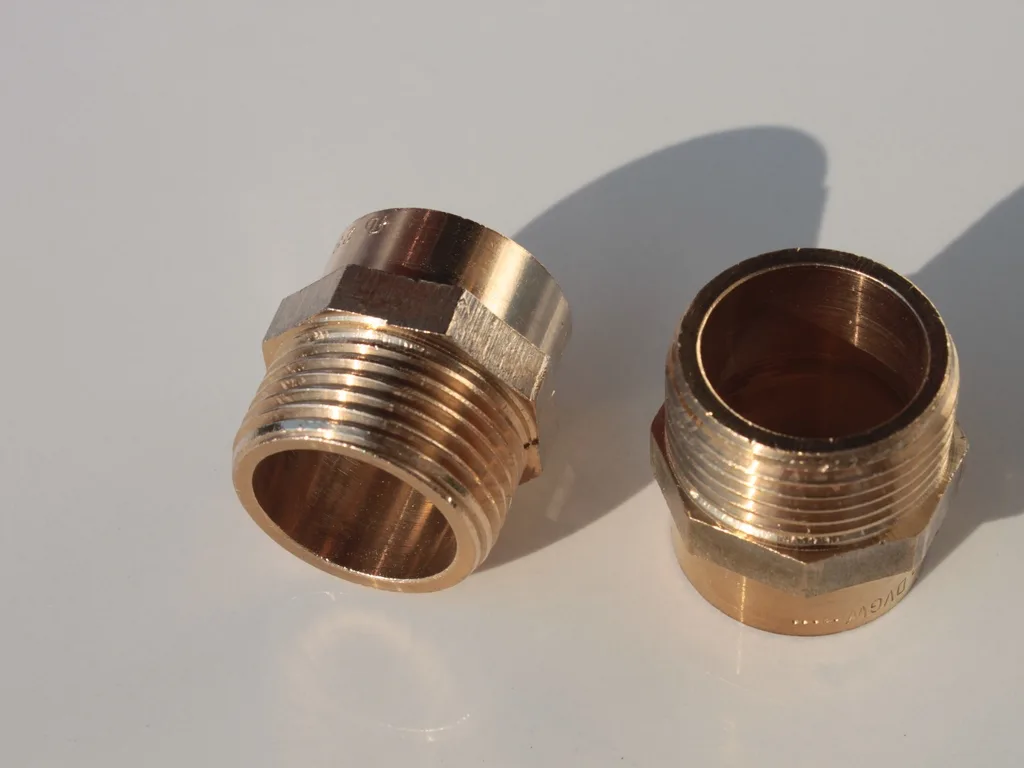
Image source: Wikimedia Commons / Emilian Robert Vicol (CC BY)
Step-by-Step Connection Guide Matching Hose, Pipe, and Pump
Before connecting anything, shut off power to both devices. Unplug the dehumidifier and turn off the sump pump circuit breaker. Measure your drain hose ID and the sump pipe or basin opening.
You'll need either a push-fit coupling or a threaded adapter depending on your pipe type.
Start by attaching the hose clamp to the dehumidifier outlet. Slide the drain hose onto the barb fitting and tighten the clamp until snug. Route the hose toward your sump basin, maintaining at least a 1/4-inch per foot downward slope.
Cut the existing sump discharge pipe if needed, installing a T-fitting or wye-connector to merge the lines.
Tools and materials needed:
| Item | Purpose |
|---|---|
| Hose clamp (worm drive or spring) | Secures hose to fitting |
| PVC reducing bushing (3/4" to 1/2") | Bridges size mismatch |
| T-fitting or wye connector | Joins dehumidifier line to sump discharge |
| Pipe cutter or hacksaw | Clean cuts in PVC pipe |
| PVC primer and cement | Seals threaded connections |
For threaded sump basins, screw in a bulkhead fitting or use a rubber grommet to seal the hose entry point. Apply plumber's putty around the outside to prevent leaks. Reconnect power and test by running water through the system slowly.
Common Problems and How to Avoid Them
Even when set up correctly, dehumidifier-to-sump connections fail about 12% of the time according to aggregate user reviews from major retailer sites as of 2026. Most failures come from three avoidable issues: backflow, pump overload, and freezing.
Backflow happens when sewage gases or contaminated water from the sump basin migrate backward into your dehumidifier line. Install a check valve on the dehumidifier side of the connection to prevent this. Without it, you risk cross-contamination and odor problems.
Pump overload occurs when your sump pump isn't designed for continuous duty cycles. If your dehumidifier runs constantly during humid months, that extra load may burn out the pump motor prematurely. Consider upgrading to a commercial-duty pump rated for continuous operation.
Freezing damages hoses and pipes in unheated spaces. Insulate exposed sections with foam pipe wrap, especially where the hose exits the house. In northern climates, many homeowners disconnect and store the hose during winter months.
Image source: Wikimedia Commons / Heather Smith (CC BY)
Frequently Asked Questions
Can I use any size drain hose?
Use the manufacturer-specified hose size for your dehumidifier. Common sizes include 3/8, 1/2, 5/8, and 3/4 inch internal diameter. Oversizing reduces flow efficiency, while undersizing restricts drainage.
If connecting to a larger sump pipe, install a reducing bushing to match the smaller hose.
Do I need a check valve?
Yes, if your sump basin connects to a sewer line or contains contaminated water. Install a check valve between the dehumidifier drain and sump pipe to prevent backflow. The valve allows water flow in one direction only, closing automatically when pressure reverses.
What if there's no floor drain?
Route the drain hose directly to your sump basin if it has an accessible opening. Secure with a hose clamp and ensure a watertight seal. For sealed sump covers, drill a small hole and insert the hose with a rubber grommet to prevent vapor escape.
How do I winterize the connection?
Shut off power to both units and disconnect the drain hose. Store the hose indoors to prevent cracking from freeze-thaw cycles. If leaving the connection in place, insulate exposed pipe with foam wrap and ensure the sump discharge directs away from the foundation.
Can a dehumidifier overwork my sump pump?
Continuous drainage from a large dehumidifier adds load to your sump pump. If your pump already cycles frequently, consider installing a separate condensate pump. This prevents motor burnout and ensures reliable operation during power outages or heavy rainfall.