
Yes, but only when done correctly. Can an air conditioner drain into a sump pump? In many cases, yes, but you need proper setup.
An air conditioner produces condensate as it cools warm air. The unit's evaporator coil collects moisture that typically flows through a PVC drain line. If the drain line empties directly into a sump pump basin, this setup can work.
However, problems arise quickly without correct planning. Mixing AC condensate with sump pump wastewater introduces contamination risks and potential code violations. Sump pump basins handle gray water from multiple sources, but AC condensate requires special considerations.
We're talking about residential installations in basements and crawlspaces. The key factors are local plumbing codes, pipe materials, and proper drainage connections. Getting it wrong can flood your basement or fail inspection.
Quick Answer: Yes, with proper installation using an air gap and compatible piping. Always check local codes first.
Let's break down exactly how this setup works in practice and whether it's safe for your home.
How an AC-Sump Connection Works (And When It's Safe)
The basic principle involves routing your AC's condensate drain line into the sump pump collection pit. But the devil's in the details.
Proper installation requires specific components to prevent contamination and ensure reliable operation. An air gap fitting is critical, it prevents wastewater from backing up into your AC drain line. This is especially important as of 2026, when many jurisdictions are cracking down on cross-connection violations.
| Component | Purpose | Required |
|---|---|---|
| Air gap fitting | Prevents backflow contamination | Yes |
| PVC drain pipe | Carries condensate safely | Yes |
| Proper pipe slope | Ensures gravity flow | Yes |
| Sump basin cover | Seals system properly | Yes |
The connection is safest in these scenarios: basement installations with accessible sump pits, homes with existing sump pump systems, and locations where local codes permit condensate discharge into sump basins.
However, this setup isn't ideal in flood-prone areas or where local regulations prohibit mixed waste streams. Some municipalities explicitly forbid connecting HVAC condensate to sanitary or storm drainage systems.
A few key points to remember: use only PVC piping rated for this application, maintain proper 1/4-inch-per-foot slope on horizontal runs, and install the air gap fitting according to manufacturer specifications. These connections also tend to work better than floor drain alternatives in older homes.
Common Problems, Risks, and What Can Go Wrong
Even when installed properly, combining AC drainage with sump pump systems introduces several potential failure points. Understanding these risks before installation is crucial.
The most serious concern involves cross-contamination. Sewage backup into your AC system can create health hazards and expensive equipment damage. This makes air gap fittings absolutely non-negotiable in any installation.
Odor problems frequently develop when condensate sits stagnant in the drain line. Algae growth and debris accumulation create unpleasant smells that can spread throughout your home. Regular maintenance becomes essential to prevent these issues.
Here are the primary failure modes you'll encounter:
• Pipe freezing: Exposed condensate lines freeze in winter, then burst when pressure builds
• Clogs: Debris and algae block the drain line, causing water backup and overflow
• Sump pump overload: Too much condensate volume overwhelms the pump's capacity
• Improper slope: Horizontal runs that don't maintain minimum pitch prevent proper drainage
• Cross-connection violations: Direct pipe connections contaminate potable water supplies
One homeowner reported spending $4,200 on foundation repairs after a clogged condensate line caused repeated water backups. The insurance company denied the claim citing "preventable maintenance failure."
Electrical hazards present another serious risk. Water accumulation near electrical components can cause short circuits or electrocution. This danger increases significantly when sump pumps cycle on and off automatically.
The safest approach involves consulting a licensed plumber familiar with both HVAC and plumbing codes. They can identify potential problem areas and recommend appropriate solutions before installation begins.
How to Install an AC Drain Line Into a Sump Pump Pit
Installing an AC condensate drain into a sump pump basin requires careful planning and attention to detail. Here's what you need to know before starting.
First, gather your tools and materials. You'll need PVC pipe (1/2-inch or 3/4-inch depending on your AC unit specifications), primer, PVC cement, an air gap fitting, and basic hand tools. The total project typically takes 2-4 hours for experienced DIYers.
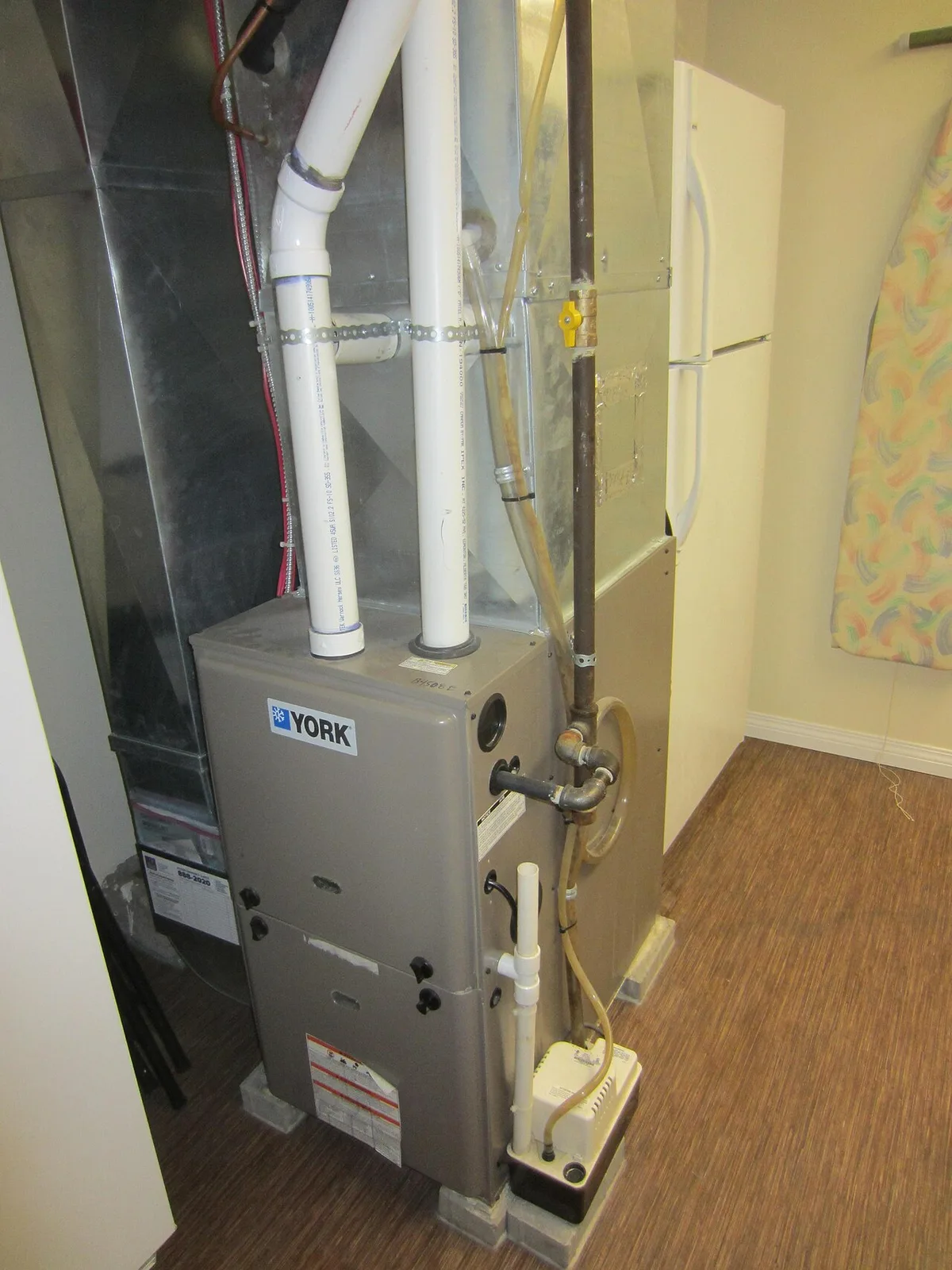
Here's the general installation process:
- Turn off power to both the AC unit and sump pump
- Locate the existing drain line from your AC unit
- Cut and extend the pipe toward the sump basin (maintain 1/4-inch-per-foot slope)
- Install air gap fitting at least 1 inch above the sump basin rim
- Seal all joints with appropriate PVC cement and primer
- Test the connection by running water through the system
The air gap fitting placement is critical, it must sit above the water line in the sump basin to prevent backflow contamination. Most building codes require this fitting to be clearly visible and accessible for inspection.
For homes with multiple AC units, you may need to combine condensate lines using proper manifolds. This ensures balanced drainage without overwhelming any single pipe run.
Regular cleaning becomes necessary after installation. Plan to flush the system with distilled water every 3-6 months to prevent algae growth and clogs. Vinegar solutions work well for routine maintenance, but harsh chemicals can damage PVC components.
Professional installation typically costs $200-$500, but DIY approaches save money when done correctly. However, hiring help protects you from expensive mistakes. Local plumbers understand regional code requirements and can ensure your installation passes inspection.
Frequently Asked Questions
What size pipe should I use for AC condensate drainage?
Most residential AC units use 3/4-inch PVC piping for condensate drainage. Smaller 1/2-inch lines work for units under 3 tons capacity. Always match your existing drain line size to avoid flow restriction issues.
Will condensation from my AC harm the sump pump?
Normal condensation amounts won't damage most sump pumps. However, excessive water volume can overload smaller pumps. Ensure your pump has adequate capacity for both groundwater infiltration and AC condensate.
Do I need a P-trap on my AC drain line?
Install a P-trap if your AC unit's drain pan outlet is below the trap weir level. Many modern units include internal traps. Without proper trapping, you'll experience air locks that prevent proper drainage.
Can I connect my AC drain directly to the sump pump discharge pipe?
Never connect directly to discharge piping, this creates cross-contamination risks and violates plumbing codes. Instead, drain into the sump basin itself using proper air gap fittings.
How often should I maintain this type of drain connection?
Inspect monthly during cooling season for clogs or blockages. Perform thorough cleaning every 3-6 months using distilled water or mild vinegar solution. Replace air gap fittings annually for optimal performance.