
Discovering a lice infestation in your home can be unsettling. You’ve taken all the right steps to treat your hair, but what about your furniture?
Could lice eggs, or nits, be lurking on your couch or bed, waiting to hatch and start the cycle all over again? Understanding where lice eggs can survive is crucial for ensuring your home is truly lice-free. You might be surprised by the facts and myths surrounding these stubborn little invaders.
Read on to uncover the truth about lice eggs and furniture, so you can protect your home and your peace of mind.

Credit: www.licedoctors.com
Lice Life Cycle
Can lice eggs survive on furniture? They typically stick to hair and scalp. Eggs need warmth to hatch, often found in human hair. Furniture provides an unsuitable environment for lice eggs, as it lacks necessary conditions for them to thrive and develop.
Understanding the lice life cycle is crucial to knowing how to prevent and manage lice infestations. Lice are small parasites that live on the human scalp and feed on blood. Their life cycle includes three stages: egg, nymph, and adult. The more you know about these stages, the better equipped you’ll be to tackle the problem of lice, especially when you’re concerned about whether they can infest your furniture.Egg Stage: The Beginning
Lice eggs, also known as nits, are tiny and oval-shaped. They are glued to the base of hair shafts and are often mistaken for dandruff. Nits are usually located close to the scalp, where the temperature is optimal for incubation. Have you ever spotted tiny white specks near your scalp? That might not just be dandruff. Nits take about a week to hatch, and during this time, they’re pretty resilient to most over-the-counter treatments.Nymph Stage: Growing Up
Once the eggs hatch, baby lice, or nymphs, emerge. Nymphs look like smaller versions of adult lice but are not yet capable of reproduction. They mature into adult lice in about 9 to 12 days. During this stage, nymphs need to feed on blood several times a day to survive. Imagine a tiny creature that relies on you for its meals every few hours. If you find a nymph, it’s a sure sign that there might be more lice, so acting quickly is vital.Adult Stage: Full Circle
Adult lice are about the size of a sesame seed and are tan to grayish-white. They can live up to 30 days on your head. During this time, female lice lay up to 8 eggs a day, perpetuating the cycle. Think about it: in just a few weeks, one louse can lead to a whole colony, making early detection and treatment essential. If you’re wondering about lice on your furniture, it’s important to know that adult lice need the warmth and blood of a human host to survive.Can Lice Eggs Live On Furniture?
While lice prefer the scalp, nits are unlikely to survive on furniture. They need the warmth and moisture of a human scalp to hatch. However, adult lice may occasionally fall off and live for a day or two on furniture. If you’re concerned about lice on your furniture, frequent vacuuming and washing fabrics can help. But the main battle is on the scalp. Have you ever considered how a simple routine cleaning might save you from a bigger headache? Are you ready to tackle the lice life cycle head-on? What steps will you take to ensure your home is lice-free? Understanding the life cycle is your first step in winning the fight.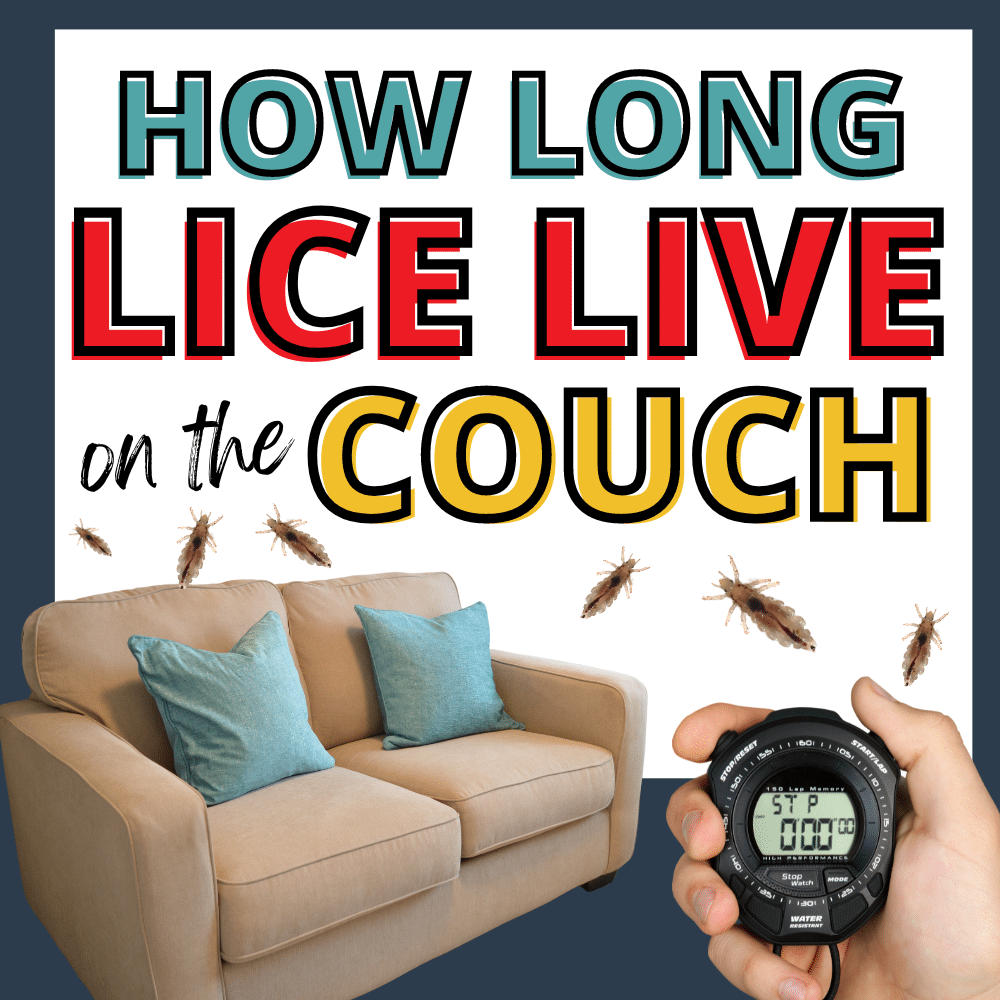
Credit: myliceadvice.com
Survival Of Lice Eggs On Furniture
Lice eggs, or nits, are a common concern for many. They often lead to questions about their survival outside the human scalp. People worry about lice eggs on furniture, seeking ways to prevent infestations. Understanding if lice eggs can survive on furniture is crucial for effective management.
Can Lice Eggs Survive On Furniture?
Lice eggs need warmth and moisture to survive. Furniture does not provide these conditions. Without a host, lice eggs rarely hatch on furniture. They need the warmth of a human scalp to develop.
How Long Do Lice Eggs Last On Furniture?
Lice eggs can last up to 10 days without a host. But, they are unlikely to hatch on furniture. The lack of warmth makes it hard for them to survive.
Preventing Lice Eggs On Furniture
Regular cleaning of furniture can help reduce lice risks. Vacuuming and using lint rollers can remove stray hairs with nits. Washing cushion covers in hot water also helps. It ensures any lice eggs are killed.
Signs Of Lice Infestation From Furniture
Itching is a primary sign of lice. If you notice itching, check for lice. White eggs near the scalp indicate an infestation. Furniture is rarely the source. But it’s still wise to be cautious.
Preventing Lice Infestation In Homes
Lice eggs typically cling to hair, not furniture. Regular cleaning of upholstery and floors can reduce lice risks. These eggs need warmth from the human scalp to survive and hatch.
Preventing lice infestation in your home is more straightforward than you might think. While the idea of lice spreading beyond your scalp can be unsettling, understanding how to keep your living spaces lice-free is crucial. Let’s dive into practical steps that you can take to ensure your home remains a sanctuary, free from these tiny pests.Understanding Lice Behavior
Lice primarily thrive on human scalps, not furniture. They need warmth and a food source, which furniture doesn’t provide. However, lice eggs, also known as nits, can sometimes find their way onto furniture. Knowing this, you can take steps to safeguard your home.Regular Cleaning Practices
Make vacuuming a regular habit. Focus on upholstered furniture and areas where hair might accumulate. Use a lint roller for quick cleaning of sofas and chairs. Regular cleaning reduces the chance of lice eggs taking hold.Use Protective Covers
Consider using slipcovers on your couches and chairs. These can be washed easily and frequently. It’s an effortless way to keep your furniture free from potential lice eggs.Keep Personal Items Separate
Encourage everyone in the household to keep personal items like hats and hairbrushes separate. A simple habit like this can drastically minimize the spread of lice.Effective Laundry Strategies
Wash clothes, bedding, and any fabric that might have come into contact with lice on high heat. The heat can kill lice and their eggs. Make it a routine, especially after you suspect exposure.Personal Story: Learning The Hard Way
I once had a close call with lice when my niece visited. She unknowingly brought them along, and it was a nightmare. By focusing on cleaning and using protective covers, I managed to avoid a full-blown infestation. This experience taught me the importance of vigilance.Ask Yourself: Are You Prepared?
Is your home ready to tackle a lice invasion? Being proactive can save you from stress and discomfort. By implementing these tips, you can maintain a lice-free environment. Being prepared means taking simple, consistent actions. You can keep your home lice-free with these practical steps. Remember, prevention is always better than dealing with an infestation.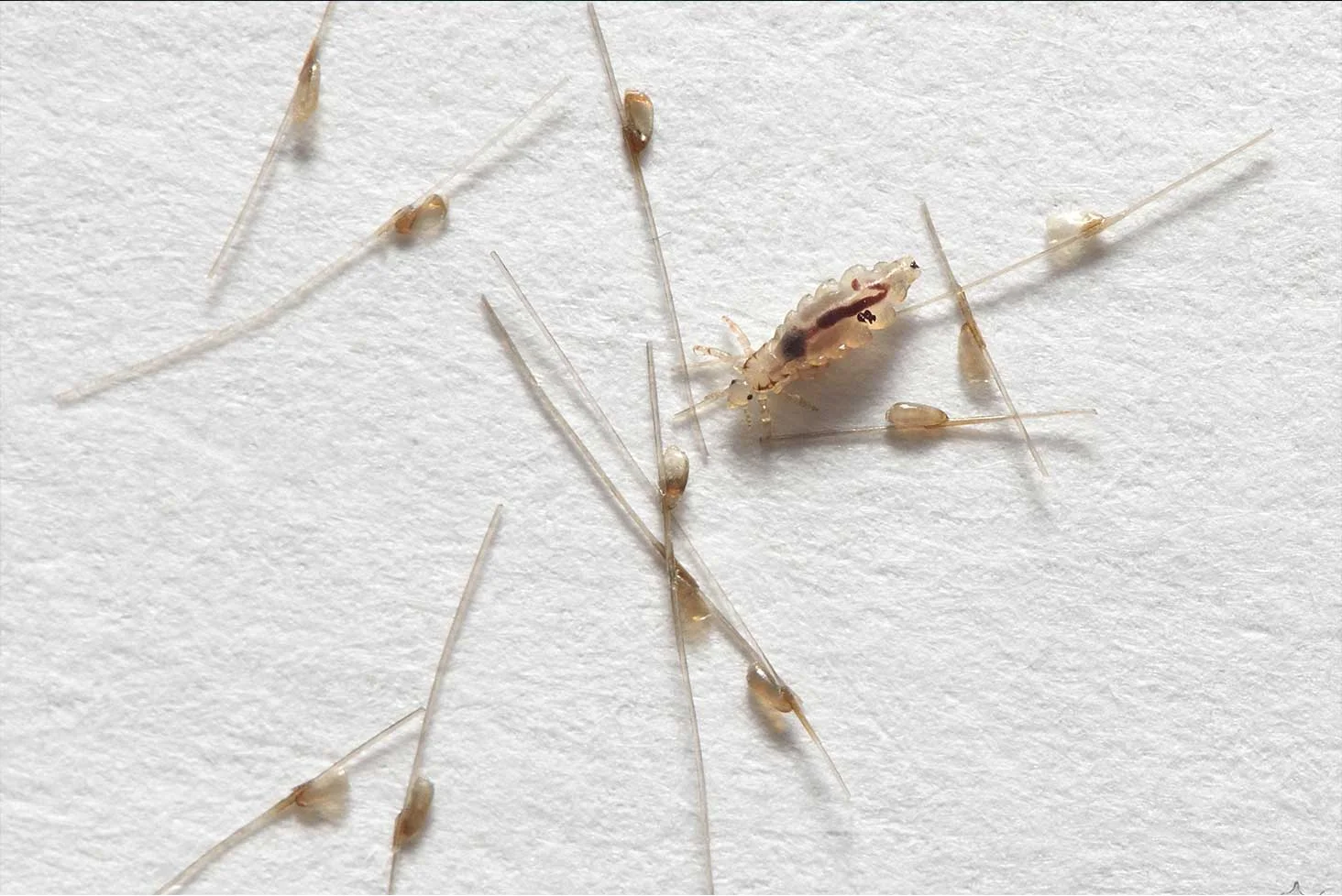
Credit: www.liceclinicsofamerica.com
Conclusion
Lice eggs can’t live on furniture for long. They need a host. A warm scalp is ideal for their survival. Without a host, they perish quickly. Cleaning furniture often helps reduce any risk. Vacuuming and washing can be effective. Regular checks prevent lice spread.
Stay informed and take necessary steps. Protect your home and family. Understanding lice behavior aids in prevention. Keep your environment clean and lice-free.