
Are you tired of finding your favorite furniture shredded by your feline friend? You’re not alone.
Many cat owners face the same dilemma: how to stop their cats from turning their beloved sofas and chairs into scratching posts. It’s not just about keeping your home looking nice—it’s also about understanding your cat’s natural behaviors and finding a solution that works for both of you.
Imagine walking into your living room, seeing your furniture intact, and knowing you’ve finally cracked the code to a happier home. Sounds like a dream, right? Let’s dive into effective strategies that will not only save your furniture but also keep your cat content and stress-free.
Understanding Why Cats Scratch
Cats often scratch furniture to mark territory and keep their claws healthy. Redirect their attention with scratching posts or mats. Use deterrent sprays and keep their nails trimmed to protect your furniture.
Understanding why cats scratch is essential in preventing them from turning your furniture into their personal scratching post. Many cat owners feel frustrated when they see their beloved couch or chair shredded. However, scratching is a natural behavior that serves several important functions for our feline friends. Recognizing these reasons can help you address the issue more effectively and compassionately.Why Do Cats Scratch?
Cats scratch for various reasons. One of the primary reasons is to sharpen their claws. This action removes the outer nail sheaths and keeps their claws healthy. Another reason is to mark their territory. Cats have scent glands in their paws, and scratching helps them leave both a visual and scent marker. This behavior is a way for them to communicate and feel secure in their environment.Scratching As A Form Of Exercise
Scratching provides cats with much-needed physical activity. It allows them to stretch their bodies and flex their feet and claws. Have you noticed your cat doing a big stretch while scratching? That’s them giving their muscles a good workout! Engaging in this activity helps keep your cat agile and healthy. Providing alternative scratching solutions will ensure they still get this exercise without damaging your furniture.Stress Relief And Emotional Expression
Cats often scratch when they are feeling stressed or anxious. It can be a way for them to release pent-up energy and emotions. Have you ever seen your cat scratch furiously after a loud noise or a visit to the vet? Understanding this can help you identify when your cat might be feeling uneasy. Offering a comforting environment or interactive play sessions can reduce stress-induced scratching.What Can You Do?
Now that you understand why cats scratch, think about how you can redirect this behavior. Consider providing scratching posts or pads in areas where your cat likes to scratch. This simple change can satisfy their natural urge without sacrificing your furniture. Think about the materials your cat prefers. If they love your fabric couch, try finding a scratching post with a similar texture. You can also use deterrents on furniture and rewards to encourage the use of designated scratching areas. Understanding your cat’s scratching behavior is the first step in creating a harmonious home. What adjustments will you make to ensure both your cat and furniture are happy?
Credit: www.washingtonpost.com
Effective Deterrents And Alternatives
Preventing cats from scratching furniture can be achieved with effective deterrents and alternatives. Utilize scratching posts near favorite spots. Cover furniture with protective materials.
Cats love to scratch. It’s part of their nature. But that doesn’t mean your furniture has to suffer. There are ways to deter this behavior. You can guide your feline friend to more suitable alternatives. Let’s explore some effective deterrents and alternatives that will keep both you and your cat happy.Provide Scratching Posts And Pads
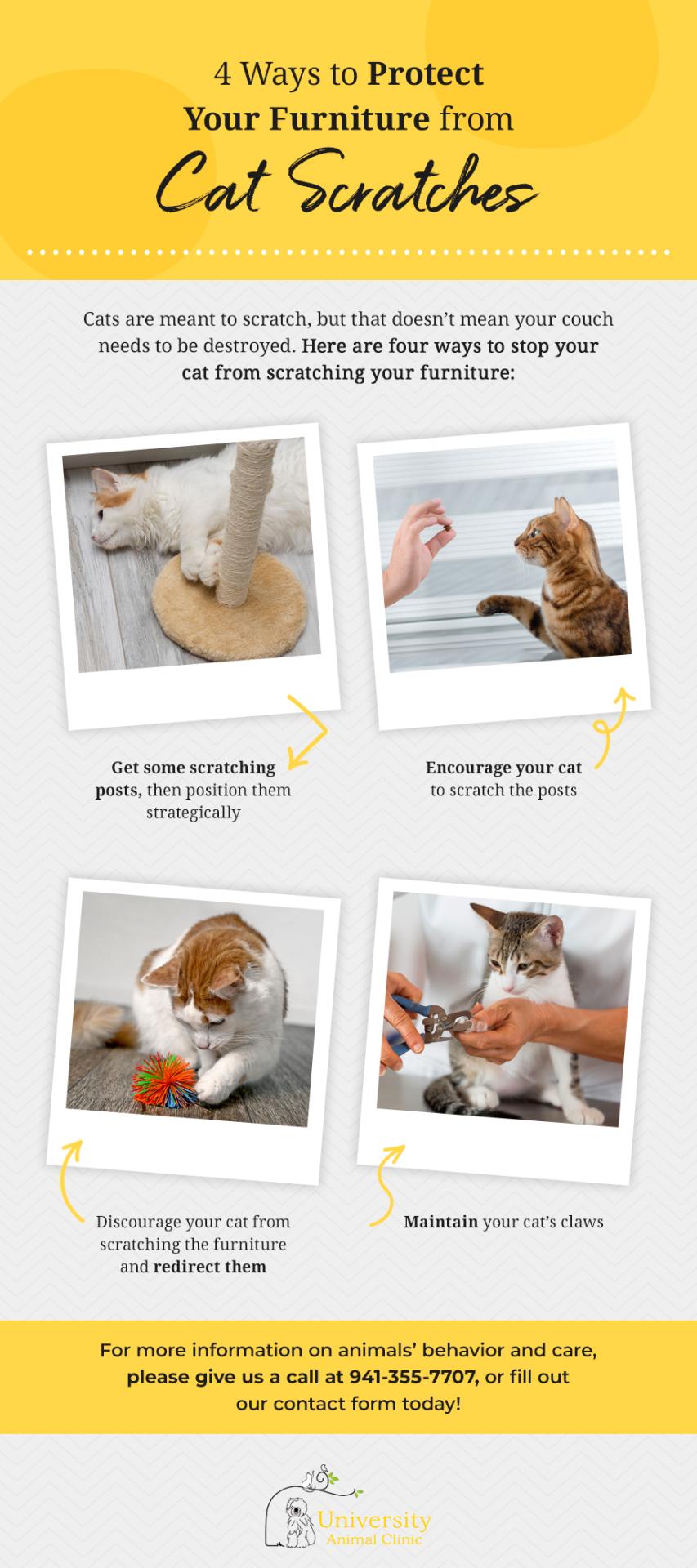
Scratching posts are great for cats. They provide an acceptable scratching outlet. Choose sturdy posts. Ensure they are tall enough for your cat to stretch. Cats prefer posts covered in sisal rope. Place them near the furniture your cat scratches. This encourages a shift in behavior.Use Double-sided Tape
Double-sided tape can deter scratching. Cats dislike sticky textures. Place tape on areas your cat scratches. This creates an unpleasant experience. Eventually, your cat learns to avoid those spots. Replace tape regularly to maintain its effectiveness.Apply Cat Deterrent Sprays
Sprays can also keep cats away. These are safe and easy to use. They have scents cats dislike. Spray them on furniture. Test a small area first to ensure no damage. Consistent use can change your cat’s habits.Offer Distraction With Cat Toys
Toys can distract cats from furniture. Interactive toys engage their minds. Wand toys or balls work well. Play with your cat daily. This helps expend energy. Less energy means less scratching on your furniture.Cover Furniture With Protective Materials
Furniture covers can protect your items. Use slipcovers or specially designed protectors. They make surfaces less appealing for scratching. Choose materials that match your decor. This keeps your home stylish while protecting it.Trim Your Cat’s Nails
Regular nail trimming is crucial. It reduces the damage done by scratching. Use a cat-specific nail clipper. Trim only the sharp tips. If unsure, ask a vet for guidance. Regular trims keep your furniture safe. Implement these strategies to keep your home scratch-free. Your cat will still enjoy scratching, just not on your furniture.Training Techniques For Your Cat
Training your cat to stop scratching furniture is essential. It protects your home and keeps your cat healthy. Cats scratch to mark territory and keep their claws sharp. Redirecting this instinct can be challenging. With patience and understanding, you can teach your cat healthier habits. Let’s explore effective training techniques.
Redirect Scratching To Approved Areas
Provide scratching posts or mats. Place them near the furniture your cat likes to scratch. Encourage your cat to use them. Sprinkle catnip on the posts to attract them. Praise your cat when they use these areas.
Use Positive Reinforcement
Reward your cat for using scratching posts. Offer treats or affection immediately. Positive reinforcement strengthens good behavior. Consistency is key to success. Repeat rewards to reinforce the habit.
Discourage Unwanted Scratching
Make furniture less appealing to scratch. Use double-sided tape or aluminum foil. These textures deter cats from scratching. Spray furniture with pet-safe deterrents. A strong smell can keep cats away.
Introduce Cat Toys
Keep your cat entertained with toys. Toys distract them from furniture. Interactive toys engage their natural instincts. Rotate toys to maintain interest. A busy cat has less time to scratch furniture.
Establish A Routine
Set regular playtimes for your cat. Playtime helps burn energy. A tired cat scratches less. Incorporate scratching into their routine. Schedule play after meals or naps.
Training your cat requires time and patience. Understand their natural instincts. Adjust your techniques based on your cat’s response. With effort, you can protect your furniture.

Credit: www.wikihow.com
Credit: www.theuniversityanimalclinic.com
Conclusion
Stopping your cat from scratching furniture requires patience and consistency. Use scratching posts as an alternative for them. Place posts near favorite scratching spots. Reward your cat for using these posts. Keep their nails trimmed to reduce damage. Try using sprays to deter scratching on furniture.
Engage your cat with toys to distract them. Spend time playing to meet their energy needs. Protect your furniture with covers if necessary. Understanding your cat’s behavior helps in finding solutions. With these tips, your furniture can stay safe from scratches.