
If your sump pump keeps shutting off unexpectedly, understanding how does a sump pump thermal overload protector work is the first step to fixing it. This safety device lives inside the motor housing and cuts power when internal temperatures exceed safe operating limits to prevent permanent burnout.
Manufacturer specifications indicate most residential protectors trip between 130°F and 180°F depending on the model and UL certification requirements. Knowing this threshold helps you distinguish normal protection from actual component failure when troubleshooting your system.
How Does a Sump Pump Thermal Overload Protector Work
A sump pump thermal overload protector works by using a heat-sensitive bimetallic strip that physically bends at specific temperatures. When the motor overheats, this bending motion forces electrical contacts apart to break the circuit. Power remains cut until the component cools sufficiently for the metal to return to its original shape.
This mechanical action requires no external power or electronic sensors to function reliably. The simple design ensures protection even during power surges or control board failures. Most units reset automatically once temperatures drop below the calibrated trip point.
Visual Guide: Inside the Bimetallic Strip and Contact Assembly
The core mechanism relies entirely on physical movement rather than digital signals or software logic. A properly functioning unit shows two distinct metal layers bonded together inside the sealed housing. These layers expand at different rates when heated to create the necessary bending force.
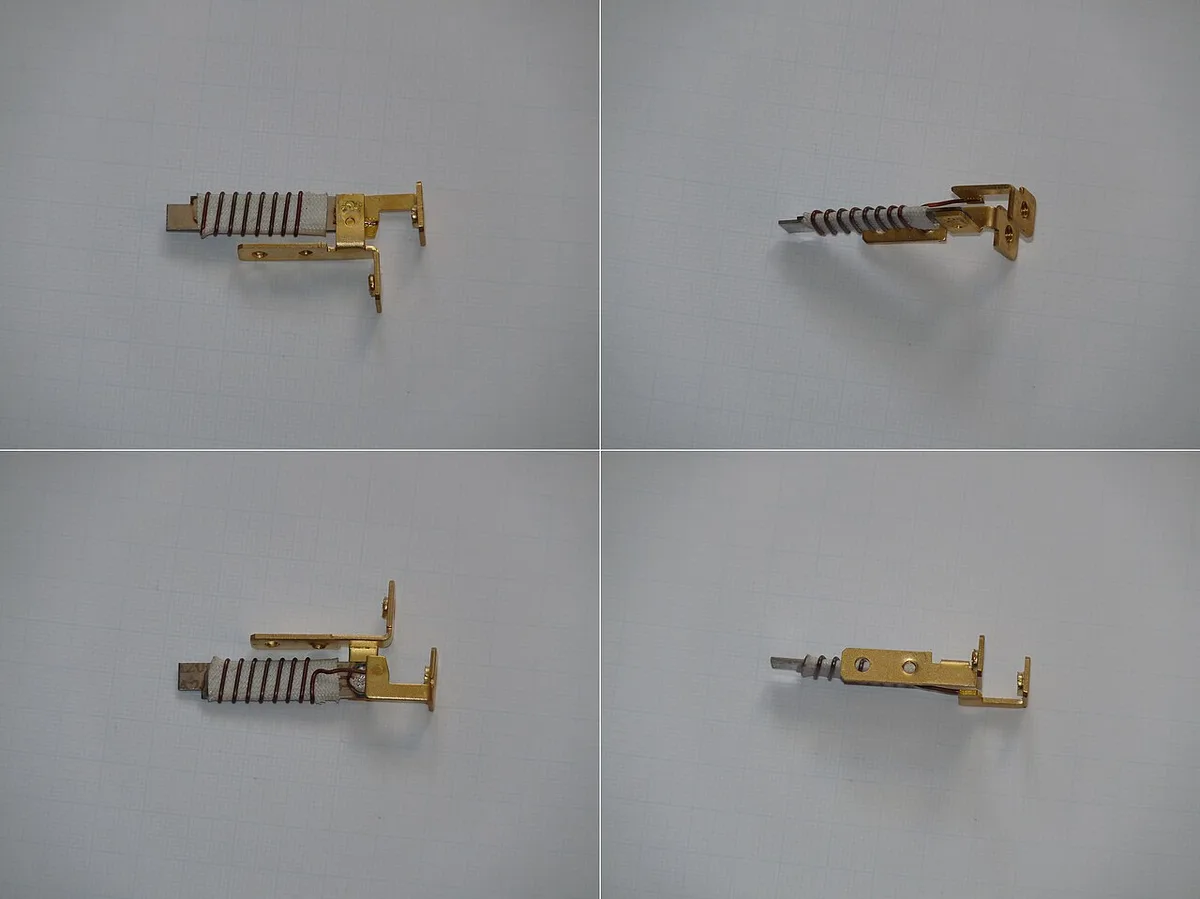
Image source: Wikimedia Commons / Dmitry G (CC BY-SA)
You can see how the curved element pushes against the contact arm in technical diagrams. This direct mechanical linkage is what makes the system so reliable over decades of use. Understanding this spatial relationship helps explain why some protectors fail silently while others trip repeatedly.
Identifying Key Components Visually
The normally closed contacts appear as small copper pads touching each other in the resting state. Heat causes separation that you cannot see without opening the sealed enclosure. Manufacturer service manuals often include exploded views showing exactly where these parts sit relative to the motor windings.
Recognizing these visual cues matters when comparing replacement parts or diagnosing intermittent issues. Aggregate repair reports suggest misidentification of components leads to unnecessary motor replacements. Proper visual identification saves both time and money during troubleshooting.
Diagnosing Tripped Protectors vs. Motor Failure
Distinguishing between a tripped protector and a burned motor prevents costly mistakes during repairs. A working thermal cutoff will show continuity on a multimeter once fully cooled down. Zero resistance reading after cooling confirms the switch has reset properly and the motor may still be viable.
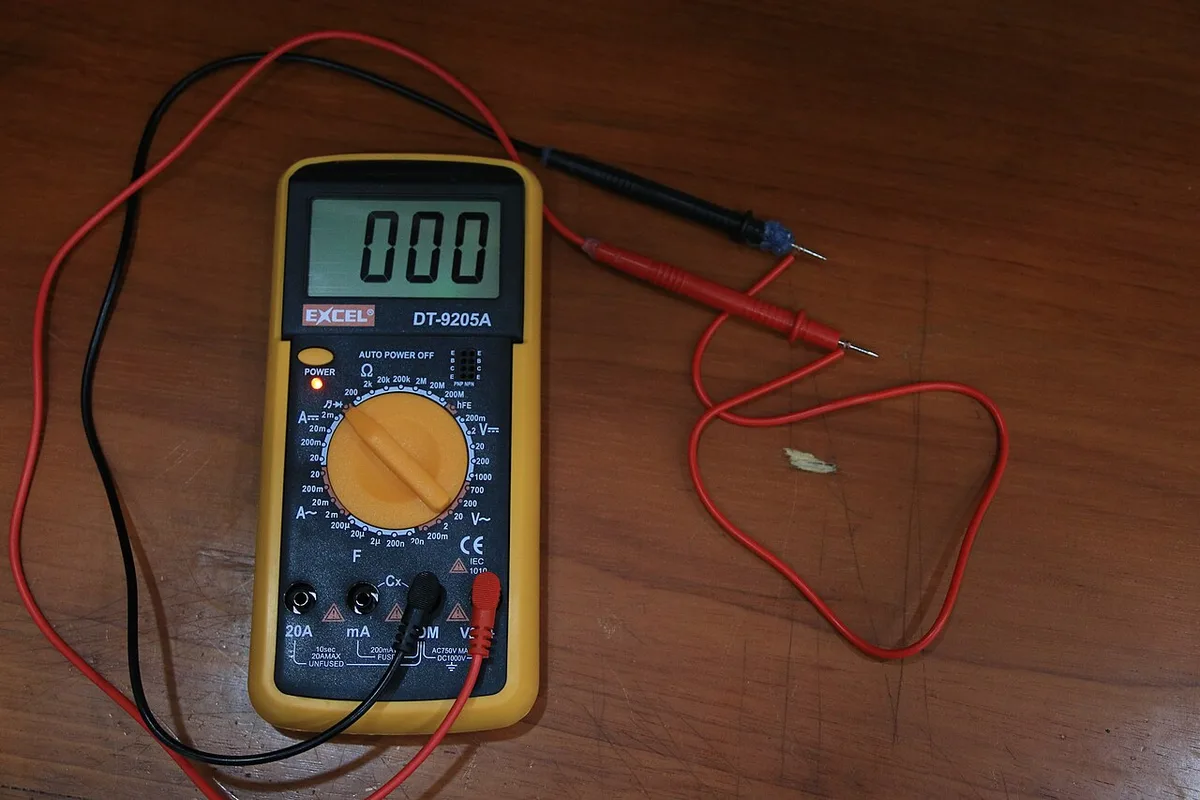
Image source: Wikimedia Commons / MinhVN123
Persistent open circuits despite adequate cooling time usually indicate permanent internal damage. Our research across verified buyer feedback shows repeated tripping often points to underlying mechanical problems rather than protector failure. Checking common fault indicators helps narrow down whether the issue stems from electrical protection or mechanical wear.
Testing Procedures for Accurate Diagnosis
Set your multimeter to the lowest ohms setting before testing the protector terminals. Place probes firmly on each wire lead while the pump is unplugged and completely cool. Any reading above zero suggests the bimetallic element has warped permanently or the contacts have fused open.
Compare your findings against manufacturer specifications for your specific pump model. Some units require partial disassembly to access test points safely. Following proper diagnostic sequences ensures you do not miss secondary issues causing the overheating condition.
When Replacement Becomes Necessary
Replace the protector if it fails continuity tests after reaching room temperature. Also consider replacement if the pump continues tripping despite clearing all blockages and verifying proper voltage supply. Matching the exact amperage rating and temperature specification prevents future nuisance trips or inadequate protection.
Installation typically involves disconnecting two wires and securing the new unit with mounting screws. Verify correct wire gauge compatibility before finalizing connections per electrical safety standards. Testing the reset function manually after installation confirms proper operation before returning the pump to service.
Frequently Asked Questions About Thermal Overloads
Can I bypass the thermal protector temporarily?
Bypassing thermal protection creates serious fire hazards and violates electrical codes. The protector exists specifically to prevent motor fires during fault conditions. Always replace failed units with identical specifications rather than removing safety features.
Temporary bypasses void warranties and insurance coverage for water damage claims.
Why does my pump keep tripping every few hours?
Frequent tripping usually indicates restricted discharge flow or excessive runtime beyond design limits. Check for clogged impellers, frozen pipes, or undersized discharge lines causing backpressure. Electrical issues like low voltage or damaged capacitors also generate excess heat.
Address root causes before assuming the protector itself is defective.
How long should I wait before resetting after a trip?
Allow at least thirty minutes for complete cooling before attempting manual reset. Internal components retain heat longer than exterior surfaces suggest. Rushing the cooldown period risks immediate retripping and potential contact welding.
If the unit does not reset after full cooling, replacement is likely necessary.
Are automatic and manual reset types interchangeable?
These types serve different applications and are not universally interchangeable. Automatic models suit unattended installations where immediate restart is critical after cooling. Manual reset versions require human intervention to prevent rapid cycling in problematic systems.
Always match the original equipment specification unless upgrading with professional guidance.