
Fixing chronic yard flooding starts with knowing how to install a sump pump in a low spot in the yard safely. This project combines excavation, plumbing, and electrical work that demands respect for local codes and personal safety.
Per National Electrical Code Article 680, all outdoor pumps require GFCI protection and weatherproof enclosures to prevent electrocution. Skipping these safeguards risks serious injury or costly code violations during future home inspections. Let’s cover the critical compliance steps before you break ground.
how to install a sump pump in a low spot in the yard
Install a sump pump by excavating a basin at the lowest point. Connect it to a GFCI protected outdoor circuit. Route discharge piping away from foundations with proper slope.
Test the system thoroughly before backfilling the trench. Always verify local drainage ordinances first.
Critical Safety Checks and Code Compliance Before You Dig
Electrical Requirements for Outdoor Wet Locations
Outdoor sump pumps operate in wet environments where standard outlets pose lethal shock hazards. NEC Article 210.8(A)(3) mandates GFCI protection for all outdoor receptacles as of 2026. You must use a weatherproof in-use cover even when the pump cord is plugged in.
Hardwired installations require a dedicated 15 or 20 amp circuit with no other loads. Manufacturer specifications confirm most residential pumps draw between 4 and 10 amps running. Overloading a shared circuit causes nuisance tripping during heavy rain events when you need the pump most.
All wiring connections must remain inside UL listed waterproof junction boxes. Standard indoor wire nuts corrode quickly when exposed to ground moisture. If your electrical panel lacks available capacity, hire a licensed electrician rather than risking an unsafe splice.
Utility Locates and Legal Discharge Rules
Calling 811 before digging is non-negotiable anywhere in the United States. Striking buried gas lines or fiber optic cables can cause injuries, fines, or service outages affecting entire neighborhoods. Most utility locate services are free but require two to three business days notice.
Local stormwater ordinances often prohibit discharging sump water into sanitary sewers or neighboring properties. Check with your municipal building department about approved discharge destinations before installing pipe. Some jurisdictions require permits for any exterior drainage modification exceeding specific depth thresholds.
Discharge points typically must stay within property lines and avoid creating erosion hazards. Directing water toward a public sidewalk or road right-of-way frequently violates local codes. Documenting your compliance protects you from liability if drainage patterns change after installation.
Sizing Your Pump and Basin for Yard Drainage
Matching Flow Rate to Head Height and Soil Type
Pump performance drops significantly as vertical lift distance increases beyond rated specifications. A unit rated for 3000 GPH at zero feet might only move 1500 GPH at ten feet of head height. Always check manufacturer pump curves rather than relying solely on maximum flow ratings printed on boxes.
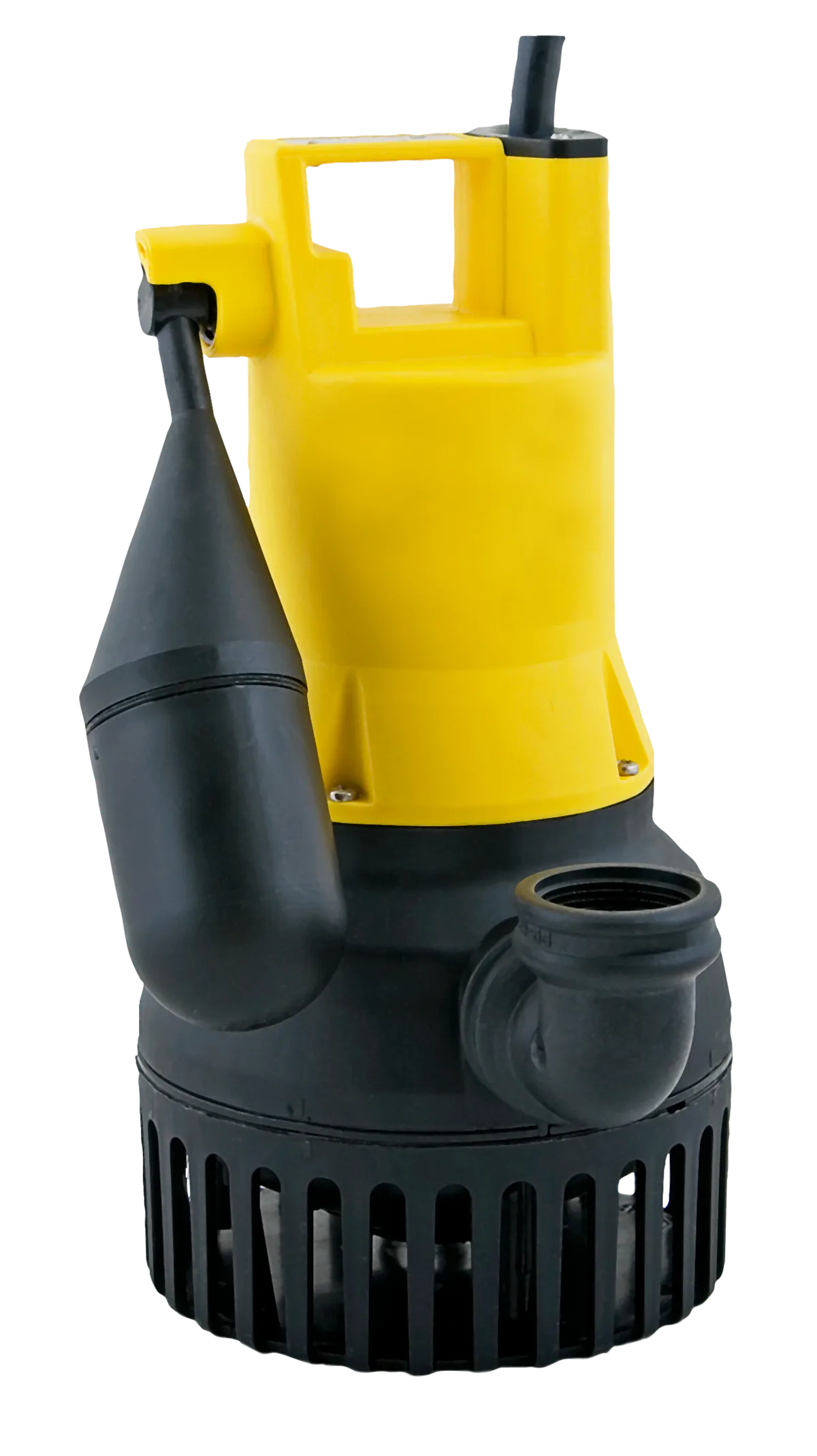
Image source: Wikimedia Commons / PumpExpert (CC BY-SA)
Clay soils drain slowly and require larger basins to buffer inflow surges during storms. Sandy soils allow faster infiltration but may need sediment filtration to prevent pump clogging. Our research shows undersized basins cause short cycling that burns out motors prematurely regardless of pump quality.
Calculate your expected water volume based on roof runoff area and soil percolation rates. USDA NRCS soil surveys provide regional permeability data useful for sizing calculations. Oversizing slightly provides margin for extreme weather events without significant cost penalties.
Choosing Between Submersible, Pedestal, and Dry Well Systems
Submersible pumps sit inside the basin and handle debris better than pedestal models. They run quieter and stay cooler since surrounding water dissipates heat effectively. Aggregate reviews report submersibles last seven to ten years with proper maintenance in typical yard applications.
Pedestal pumps keep motors above ground for easier servicing but take up more space. They cannot handle solids and clog easily if installed without pre-filtration. These units work best in covered locations where debris accumulation is minimal and access matters more than aesthetics.
Dry wells paired with sump pumps reduce discharge volume by allowing partial infiltration onsite. This combination works well in areas with restrictive discharge ordinances or limited daylight options. Properly sized dry wells extend pump life by reducing total runtime during moderate rainfall events.
Safe Installation Workflow From Excavation to Testing
Trenching, Basin Placement, and Freeze Protection
Excavate the basin hole six inches wider than the unit diameter for gravel backfill. Place four to six inches of washed gravel beneath the basin for stable support and drainage. Level the basin carefully since tilted units cause float switch binding and premature failure.
In cold climates, bury discharge piping below the local frost line to prevent winter blockages. Frost depths range from zero inches in southern regions to over sixty inches in northern zones. Installing heat tape or insulated pipe wraps adds protection where deep burial is impractical.
Wrap the basin exterior with landscape fabric before backfilling to prevent soil intrusion. Fill surrounding voids with clean gravel up to grade level to create a French drain effect. This buffer zone captures surface water before it reaches the pump intake screen.
Wiring, Piping, and Backfill Best Practices
Route PVC discharge pipe with minimum one eighth inch per foot downward slope away from the basin. Install a check valve immediately above the basin lid to prevent backflow flooding when the pump cycles off. Glued PVC joints should cure twenty four hours before pressure testing the system.
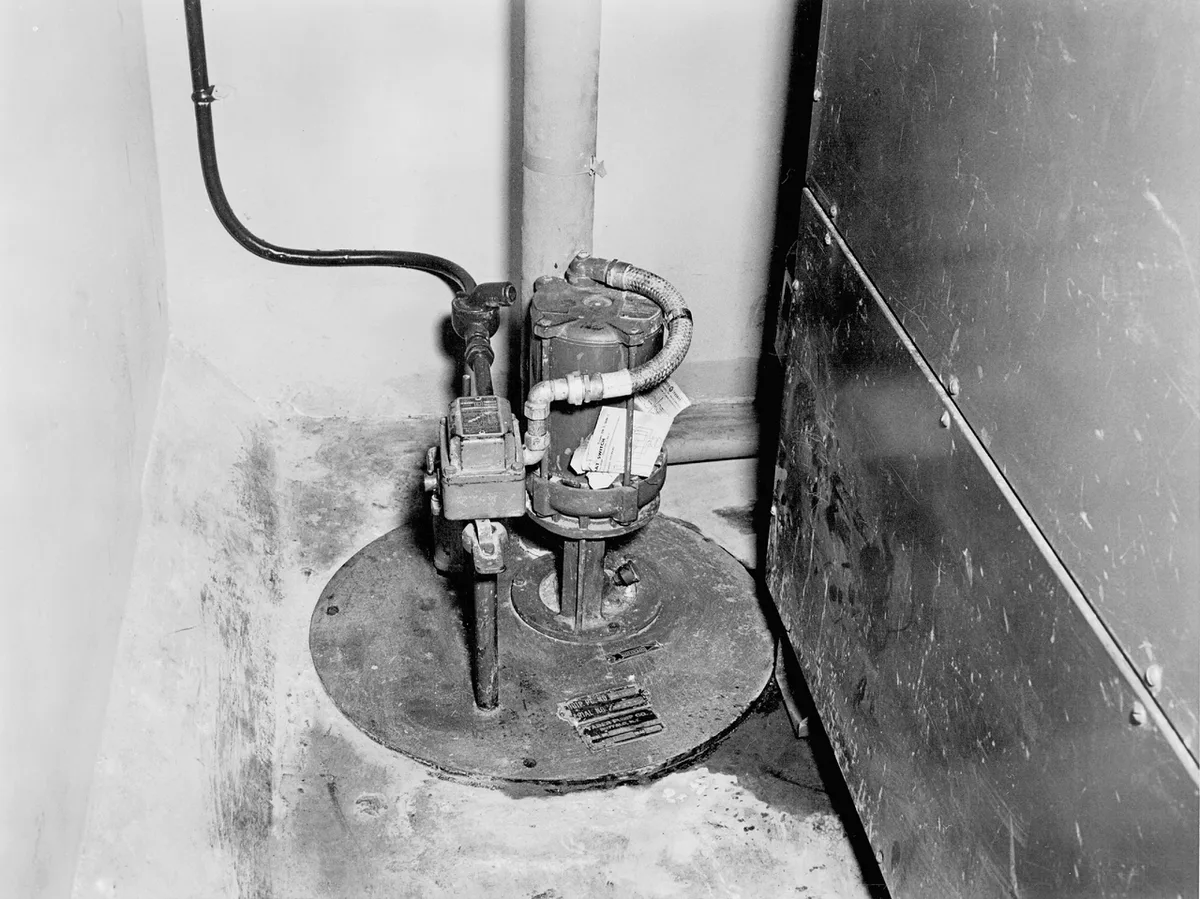
Image source: Wikimedia Commons / United States Department of Energy
Bury electrical conduit separately from water lines following local separation requirements. Use UF-B cable or THWN conductors in schedule 40 PVC conduit rated for direct burial. Seal all conduit entries with silicone caulk to prevent moisture migration into junction boxes.
Backfill trenches in six inch layers with mechanical compaction to prevent future settling. Restore topsoil and sod promptly to stabilize the surface and prevent erosion channels. Run a full cycle test with a garden hose before final grading to verify automatic shutoff and discharge flow.
Common Installation Mistakes That Cause Flooding or Failure
Skipping the check valve allows discharged water to flow backward into the basin after each cycle. This backflow triggers immediate restarts that overheat motors and waste electricity continuously. Manufacturer warranty claims frequently cite missing check valves as the primary cause of premature burnout.
Undersized discharge piping creates excessive friction loss that reduces effective flow rate dramatically. Using half inch tubing on a pump designed for one and a half inch output cuts capacity by over fifty percent. Always match pipe diameter to the pump outlet specification exactly.
Placing the basin too shallow exposes the intake to surface debris and freezing temperatures. Basins installed less than eighteen inches below grade commonly clog with leaves and sediment. Deeper placement also provides thermal mass that delays ice formation during cold snaps.
Neglecting annual maintenance allows silt buildup that eventually seizes the impeller assembly. Inspect and clean the intake screen every spring before peak rainy season begins. Simple preventative care extends service life far beyond units left unattended until failure occurs.
Frequently Asked Questions
Do I need a permit for yard sump pump installation?
Many municipalities require permits for exterior drainage modifications involving electrical work or trenching over certain depths. Contact your local building department to confirm specific thresholds before starting. Unpermitted installations can complicate future home sales or insurance claims related to water damage.
How deep should I bury the discharge pipe?
Discharge piping must extend below your regional frost line to prevent winter freezing and blockages. Northern climates often require forty eight to sixty inch burial depths while southern zones may need none. Consult local building codes or extension service guidelines for precise depth requirements in your area.
Can I discharge sump water into the street or storm drain?
Most jurisdictions prohibit direct discharge into streets, sidewalks, or storm sewers without explicit approval. Violations carry fines and remediation orders that exceed original installation costs. Approved alternatives include daylighting to vegetated swales, dry wells, or designated infiltration areas within property boundaries.
Why does my new sump pump keep tripping the breaker?
Frequent breaker trips usually indicate ground fault current leakage through damaged cords or wet connections. Verify GFCI functionality and inspect all wiring for moisture intrusion or insulation damage. Persistent tripping despite repairs suggests motor winding failure requiring professional diagnosis or replacement.