
Figuring out how to pipe a sump pump outside correctly prevents basement flooding and foundation damage. The right setup depends entirely on your local climate, soil type, and yard slope.
Per International Plumbing Code standards, discharge lines must maintain positive drainage away from the structure. Manufacturer specifications as of 2026 confirm that improper grading causes most winter failures. Let’s walk through the decision points that determine your best installation method.
how to pipe a sump pump outside
Connect rigid PVC pipe to the pump outlet using a check valve. Bury the line below the local frost line with positive slope. Terminate at a splash block, dry well, or storm drain.
Always install an air gap to prevent backflow contamination. Test flow before backfilling the trench completely.
Choose Your Discharge Method Based on Climate and Yard Grade
Frozen Line vs. Pooling Water: The First Decision Point
Your primary constraint is usually temperature or topography. If you live where the ground freezes, burial depth dictates everything. Shallow pipes in cold zones will ice up and burn out your pump motor.
Deep burial below the frost line is non-negotiable here.
Flat yards create different problems entirely. Water pools near the foundation if gravity cannot carry it far enough away. You might need a pop-up emitter or extended rigid run instead.
Sometimes a dry well is the only viable option for poor drainage sites.
Rigid PVC vs. Flexible Hose: Matching Material to Conditions
Rigid Schedule 40 PVC remains the gold standard for permanent installations. It maintains its shape under soil pressure and resists rodent damage. Smooth interior walls reduce friction loss and improve flow rate significantly.
We recommend this for any buried application.
Flexible corrugated hose works only for temporary or above-ground setups. Kinks restrict flow and trap debris over time. UV exposure degrades the plastic within a few seasons outdoors.
Reserve this material for emergency bypass situations or short seasonal use.
Surface Discharge, Buried Line, or Dry Well: Finding Your Endpoint
Surface discharge suits mild climates with adequate yard slope. A concrete splash block prevents erosion at the outlet point. This method fails quickly in freezing weather though.
Ice dams form and block the entire system.
Buried lines protect against freezing but cost more to install. Trenching requires proper bedding and compaction support. Dry wells handle high-volume output where surface runoff is prohibited.
Check local ordinances before choosing infiltration methods. Our research shows many municipalities now ban direct storm drain connections.
Critical Installation Specs That Prevent Callbacks and Code Violations
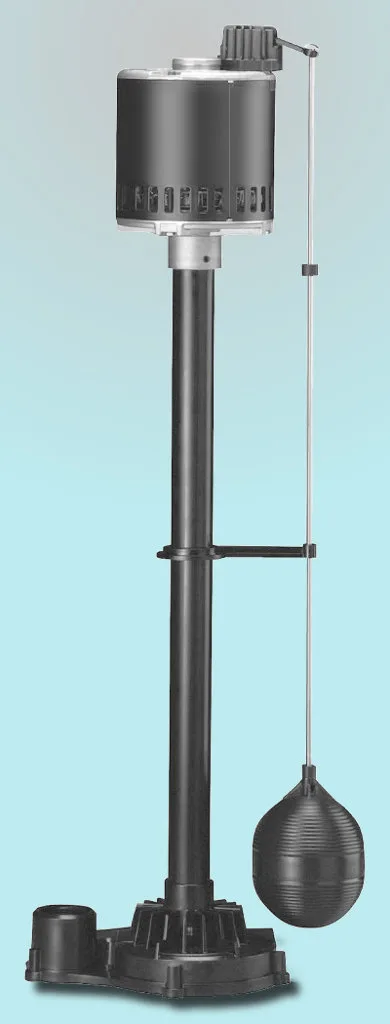
Image source: Wikimedia Commons / Own work (CC BY-SA)
Sizing, Slope, and Frost Depth Requirements by Region
Pipe diameter typically ranges from 1.25 to 2 inches for residential pumps. Match the size to your pump’s discharge port exactly. Reducing diameter increases head pressure and reduces efficiency.
Oversizing can cause sediment buildup in low-flow conditions.
Minimum slope requirements are one-eighth inch per linear foot. This ensures complete drainage between pump cycles. Standing water in the pipe invites freezing and corrosion.
Consult your county building department for regional frost depth maps. Northern regions often require four feet of cover or heat tracing.
Check Valves, Weep Holes, and Air Gaps Explained
A swing-type check valve prevents discharged water from flowing backward. Install it vertically within five feet of the pump outlet. Silent models reduce water hammer noise during shutoff.
Replace these every five to ten years as internal seals wear.
Weep holes relieve pressure trapped between the valve and pump. Drill a three-sixteenths inch hole just below the valve body. This prevents air locking and short cycling.
An air gap fitting at the termination point stops sewer gas intrusion. It also provides visual confirmation of active discharge.
Municipal Stormwater Rules and Illegal Connections to Avoid
Many jurisdictions prohibit connecting sump pumps to sanitary sewers. Groundwater overwhelms treatment plants during heavy rain events. Fines for illegal connections can exceed thousands of dollars.
Verify acceptable discharge points with your local authority first.
Storm drain connections often require permits and backflow prevention devices. Some areas mandate dry wells or French drain dispersal instead. Documentation from the International Code Council outlines current IPC Section 712 requirements.
Compliance protects both your property value and neighborhood infrastructure.
Common Piping Mistakes That Flood Basements or Burn Out Pumps
Image source: Wikimedia Commons / "Trumbull-Cliffs Company's New Blast Furnace", Valve World, April 1922. p. 135
Ignoring Head Pressure and Flow Velocity Limits
Exceeding maximum flow velocity creates noise and pipe erosion. Keep discharge speed under five feet per second. High velocity also increases friction loss dramatically.
Your pump works harder while moving less actual water.
Insufficient head pressure calculation leads to undersized piping. Total dynamic head includes vertical lift plus horizontal friction. Manufacturer performance curves show safe operating ranges clearly.
Guessing here guarantees premature motor failure or flooded basements. Proper sizing matters as much as understanding other mechanical diagnostics like resolving an LG dryer D80 code but no blockage.
Skipping Proper Bedding and Backfill Support
Direct burial without bedding crushes flexible pipes over time. Sharp rocks puncture thin-walled materials easily. Use six inches of compacted sand or gravel beneath the line.
This distributes soil load evenly across the pipe surface.
Poor backfill compaction creates settling and low spots later. These depressions collect water and invite root intrusion. Layer fill material in six-inch lifts with tamping.
Rushing this step undermines decades of reliable service. Think of it like maintaining airflow in appliances where clearing restrictions prevents system faults.
Forgetting Winterization in Transitional Climates
Heat trace cables prevent freezing in marginal frost zones. Wrap them along the pipe length before insulation. Thermostatically controlled models save energy during warm spells.
Never rely solely on burial depth in variable climates.
Blowing out lines before deep freezes adds insurance. Compressed air removes residual standing water completely. This simple step saves hundreds in repair costs annually.
Seasonal cabins and vacation homes benefit most from this practice. Regular upkeep mirrors the discipline needed when learning how to reset error codes on complex equipment.
Frequently Asked Questions
Can I use flexible hose for buried sump discharge?
No, flexible corrugated hose collapses under soil pressure and kinks easily. Rigid Schedule 40 PVC maintains structural integrity underground indefinitely. Flexible options suit only temporary above-ground applications.
Always choose smooth-wall rigid pipe for permanent buried installations to ensure reliable long-term performance.
How deep should I bury my sump pump line?
Bury discharge piping at least twelve inches below your local frost line. Contact your county building department for exact regional depths. Northern climates may require four feet or more of cover.
Adding heat trace cable provides extra protection in transitional zones where frost depth varies seasonally.
Do I need a permit for sump pump discharge?
Most municipalities require permits for new exterior discharge installations. Regulations vary significantly regarding acceptable termination points and methods. Connecting to sanitary sewers is frequently prohibited outright.
Always verify specific requirements with your local building authority before starting excavation work.
Why does my sump pump discharge line keep freezing?
Shallow burial above the frost line causes most freezing issues. Insufficient slope allows water to pool and solidify inside pipes. Missing or failed heat trace cables contribute in marginal climates.
Ensure proper depth, positive grade, and functional freeze protection to prevent recurrent winter blockages.