
Knowing how to prepare a sump pump for winter prevents frozen discharge lines and burned-out motors during freezing weather. Your specific preparation steps depend entirely on whether your system is located indoors or buried outside.
The International Residential Code requires discharge piping to maintain a minimum slope of 1/8 inch per foot to prevent standing water that freezes instantly in cold snaps. We will walk through the exact decision tree you need to protect your specific setup before temperatures drop below freezing.
How to Prepare a Sump Pump for Winter
To prepare a sump pump for winter, first identify if your unit is interior or exterior. Clean the pit and test the float switch operation thoroughly. Insulate all exposed discharge pipes with foam tubing or heat tape.
Verify the check valve seals properly to stop backflow freezing. Run a full cycle test to confirm water exits completely without pooling.
Which Winter Sump Pump Workflow Fits Your Setup?
Your winterization path depends on where the pump sits and how it discharges. Interior basement pumps need maintenance and insulation checks. Exterior buried basins require active freeze protection or complete removal.
Condensate lines in unconditioned spaces demand separate heat tracing protocols.
If your pump is inside a heated basement, focus on mechanical testing and pipe insulation. If the basin is outdoors, you must decide between keeping it active with heat tape or pulling it for storage. HVAC condensate pumps in garages or attics follow strict electrical safety rules for heating cables.
Misidentifying your system type leads to applying the wrong protocol and risking equipment failure.
| System Type | Primary Winter Risk | Required Action |
|---|---|---|
| Interior Basement | Frozen discharge exit | Insulate pipe, test valve |
| Exterior Buried | Ice blockage in basin | Heat tape or remove pump |
| Condensate Line | Frozen small-bore tubing | Self-regulating cable |
| Seasonal/Cottage | Stagnant water damage | Full removal and dry storage |
This classification step determines every subsequent action you take. Skipping it means you might insulate an interior pipe while ignoring a frozen exterior basin. Always verify your discharge path terminates above grade or into a proper drainage point before proceeding.
Step-by-Step Winterization for Interior and Exterior Systems
Interior systems require cleaning, testing, and insulating exposed components. Start by unplugging the unit and removing debris from the pit. Test the float switch manually to ensure it moves freely without sticking.
Inspect the check valve for cracks or worn flappers that allow backflow. Wrap any exposed PVC discharge pipe with foam insulation rated for your climate zone.
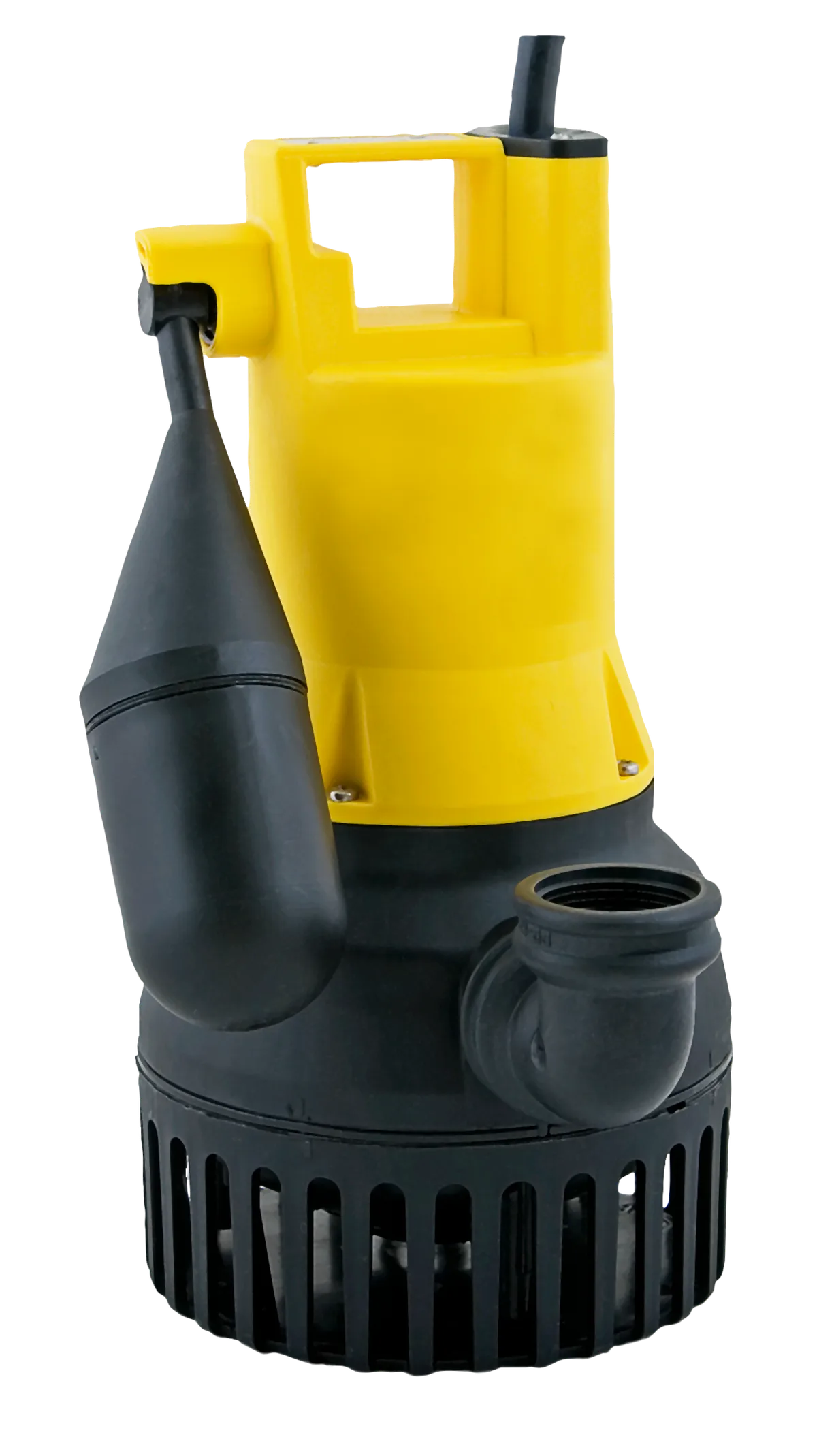
Image source: Wikimedia Commons / PumpExpert (CC BY-SA)
Exterior systems need active protection or removal. If keeping the pump installed, wrap the basin and discharge line with UL-listed heat tape per manufacturer wattage specs. Install a self-regulating cable rather than constant-wattage to prevent overheating.
Cover the basin lid with rigid foam to retain ground heat. If removing the unit, drain it completely and store it upright in a dry location.
For condensate lines, verify the heating cable thermostat functions correctly. These small-diameter tubes freeze faster than standard discharge pipes. Check that the GFCI outlet protecting the circuit trips within 25 milliseconds as required by NEC Article 426.
Never use non-approved heating methods like incandescent bulbs or open resistance wire. Proper installation prevents both fire hazards and mid-winter failures.
Critical Freeze Protection Mistakes That Crack Housings and Burn Motors
Assuming indoor pumps are safe from freezing causes costly damage. Discharge lines exiting through rim joists often lack insulation at the penetration point. Water trapped in this section expands and cracks the pump housing or check valve body.
Always trace the entire pipe run to the exterior termination point. Missing even two feet of uninsulated pipe invites catastrophic failure during polar vortex events.
Using incorrect heat tape creates fire risks and voids warranties. Constant-wattage cables can overheat when overlapped or covered improperly. Only use self-regulating cables listed for sump pump applications.
Verify the electrical connection matches the cable's voltage rating exactly. Ignoring manufacturer spacing guidelines leads to hot spots that melt pipe walls.
Neglecting backup power leaves you vulnerable during winter storms. Battery backups lose capacity in cold temperatures if stored in unheated spaces. Generator transfer switches may fail if not exercised monthly.
Water-powered backups require adequate municipal pressure that drops during main breaks. Test your secondary system under load before relying on it during a freeze event. Assuming redundancy works without verification is a gamble with your foundation.
Frequently Asked Questions About Winter Sump Pump Prep
Should I remove my sump pump for winter?
Remove pedestal or submersible pumps only if they serve seasonal structures with no winter water intrusion risk. Exterior buried basins in active drainage zones should stay installed with heat tape. Removing a necessary pump risks groundwater saturation and frost heave damage.
Consult local building codes before deciding to pull any permanent drainage equipment.
How do I keep my exterior sump pump from freezing?
Install UL-listed self-regulating heat tape on the discharge line and basin walls. Add rigid foam insulation over the pit lid to trap geothermal heat. Ensure the discharge outlet extends beyond the frost line or uses an ice guard device.
Maintain power to the heating system throughout the freezing season. Regular inspection prevents cable degradation from going unnoticed.
Can I use antifreeze in my sump pump pit?
Never add automotive or RV antifreeze to any sump pit connected to sewers or septic systems. It contaminates groundwater and violates environmental regulations in most jurisdictions. Use only approved propylene glycol solutions if manufacturer specs explicitly permit them.
Mechanical freeze protection like heat tape remains the safer and code-compliant choice. Chemical treatments create liability issues without solving root causes.
Why does my sump pump run continuously in winter?
Continuous cycling indicates a stuck float switch, failed check valve, or frozen discharge restriction. Ice blocking the outlet forces water back into the pit, triggering immediate restarts. This burns out motors within hours due to thermal overload.
Shut off power immediately and inspect the entire discharge path for ice dams. Clearing the blockage restores normal intermittent operation and prevents motor replacement costs.