
Choosing the right sump pump size prevents basement flooding and premature motor failure. Understanding what is the difference between 1/2 hp and 3/4 hp sump pump helps you match equipment to your specific drainage needs.
A 3/4 HP pump typically moves 5,000 gallons per hour at 10 feet of head pressure per Hydraulic Institute standards. This extra capacity matters for deep lifts but causes rapid burnout in shallow pits. Let’s break down exactly how these performance curves affect your home.
Quick Answer: Horsepower Isn’t the Only Metric That Matters
The main difference between 1/2 HP and 3/4 HP sump pumps is flow rate at higher vertical lifts. A 3/4 HP pump maintains strong output above 20 feet of head pressure where a 1/2 HP model loses efficiency. However, horsepower alone does not determine suitability for your pit.
You must match the pump curve to your actual static lift and pipe friction. Oversizing causes short cycling that destroys motors faster than undersizing ever could.
1/2 HP vs. 3/4 HP Sump Pumps: Performance, Head Pressure, and Real-World Flow
Manufacturer specifications show distinct performance gaps between these two sizes under load. A 1/2 HP pump excels in standard residential pits with less than 15 feet of vertical lift. It draws roughly 4 to 6 amps and fits standard 15-amp circuits without upgrades.
Most homes with moderate water tables never need more than this capacity.
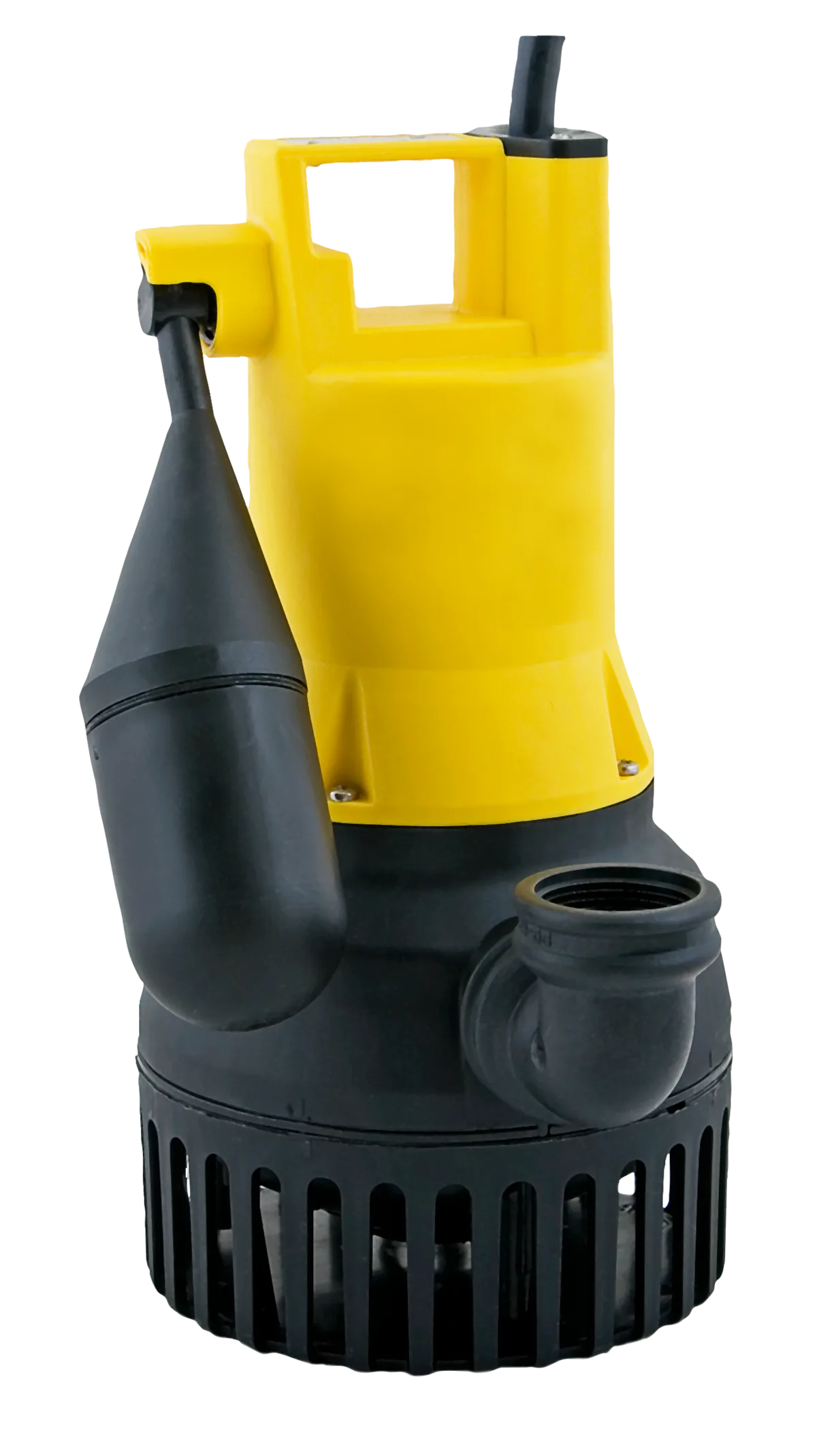
Image source: Wikimedia Commons / PumpExpert (CC BY-SA)
A 3/4 HP pump delivers superior flow when pushing water uphill or through long horizontal runs. Aggregate reviews report this size handles heavy inflow during severe storms without struggling. The tradeoff is higher amperage draw, often requiring dedicated 20-amp circuits.
You also face increased risk of check valve hammer due to faster shutdown velocities.
| Feature | 1/2 HP Sump Pump | 3/4 HP Sump Pump |
|---|---|---|
| Max Flow (0 ft head) | ~4,500 GPH | ~6,000 GPH |
| Flow at 20 ft Head | ~1,800 GPH | ~3,200 GPH |
| Typical Amp Draw | 4.0 to 6.0 A | 6.0 to 9.0 A |
| Recommended Lift Range | 5 to 15 Feet | 15 to 30 Feet |
| Discharge Pipe Size | 1-1/2 Inch | 1-1/2 or 2 Inch |
Understanding diagnostic codes on other home appliances teaches us that proper sizing prevents system strain. The same logic applies here. Bigger isn't better if your pit refills slowly between cycles.
How to Choose the Right Size Without Burning Out Your Pump
Start by measuring your total dynamic head rather than guessing based on horsepower. Total dynamic head combines vertical lift distance with friction loss from piping and fittings. Manufacturer performance curves plot flow rates against these exact measurements.
Match your calculated head to the pump's sweet spot on that chart.
If your vertical lift exceeds 20 feet, lean toward the 3/4 HP option. Shallow pits under 10 feet almost always perform better with 1/2 HP units. Homes with finished basements benefit from the safety margin of a larger pump only if inflow justifies it.
Otherwise, stick to the smaller size to preserve switch life.
Consider your electrical panel capacity before upgrading to higher horsepower. A 3/4 HP motor may trip shared breakers during startup surges. Dedicated circuits prevent nuisance tripping during critical storm events.
Proper routine upkeep extends service life regardless of which size you install.
Verify discharge pipe diameter matches the new pump's outlet port. Reducing a 2-inch outlet to 1-1/2 inches creates artificial backpressure that kills flow. Upsizing pipes reduces friction loss and lets the pump work within its designed curve.
Always install a new check valve when swapping pump sizes to prevent water hammer damage.
Common Sump Pump Sizing Mistakes and FAQs
Short cycling remains the most frequent failure cause we see in oversized installations. When a powerful pump evacuates the pit in seconds, the float switch triggers repeatedly. This rapid on-off action generates heat that melts internal components over time.
Installing a cycle guard or adjusting float height can mitigate this issue temporarily.
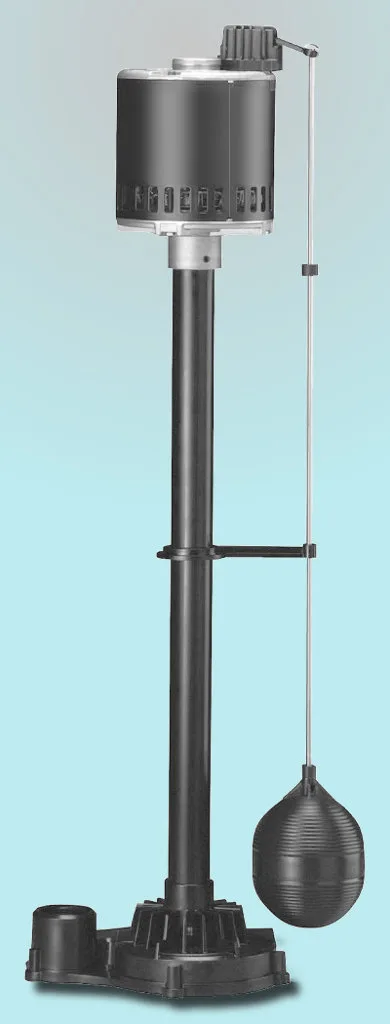
Image source: Wikimedia Commons / Own work (CC BY-SA)
Another common error involves ignoring horizontal pipe run length in calculations. Every 10 feet of horizontal pipe adds equivalent friction to one foot of vertical lift. Long runs to street drains or dry wells significantly reduce effective flow rates.
Failing to account for this leads to disappointing performance during heavy rains.
Does higher horsepower mean longer pump life?
Not necessarily. Higher horsepower only extends lifespan when operating near peak efficiency on the performance curve. An oversized 3/4 HP pump in a low-demand pit burns out faster from short cycling than a properly sized 1/2 HP unit.
Match the pump to your actual head pressure requirements for maximum durability.
Can I replace my 1/2 HP pump with a 3/4 HP model?
Yes, but verify electrical capacity and pit dimensions first. Ensure your circuit handles the increased amp draw without tripping during startup. Confirm the wider housing fits your existing sump basin without modification.
Adjust float switch settings to prevent destructive short cycling in the larger pit volume.
Is a 3/4 HP pump too big for a standard basement?
It depends entirely on your vertical lift and inflow rate. Standard basements with less than 15 feet of lift rarely need this much power. Excess capacity causes rapid wear unless you have exceptional water intrusion issues.
Consult manufacturer flow charts before assuming bigger provides better protection.
How do I calculate total dynamic head accurately?
Measure vertical lift from water level to discharge point plus horizontal pipe length. Add friction loss values for each elbow, valve, and fitting using engineering tables. Sum these values to find your true system resistance point.
Compare this number against manufacturer performance curves to select the correct size.
What happens if my sump pump is undersized?
An undersized pump runs continuously during heavy inflow without lowering water levels effectively. Continuous operation overheats motors and triggers thermal overload shutoffs precisely when you need protection most. Chronic overworking also accelerates bearing wear and seal failures.
Upgrade to adequate capacity if your current unit cannot keep pace with stormwater.
Just as recognizing fault indicators prevents appliance disasters, reading pump behavior signals trouble early. Listen for unusual humming or frequent clicking sounds. These warnings suggest sizing mismatches before catastrophic failure occurs.
Addressing them promptly saves thousands in water damage repairs.