
Why does my sump pump click on and off so much that I can’t get any sleep? That rapid chattering is called short cycling. In our research, this happens when a pump shuts off too quickly after starting, then restarts moments later.
Per Underwriters Laboratories (UL) safety standards for pump installations, the ideal on/off cycle includes a 1 to 2 inch drop in water level before restarting. This prevents motor burnout and extends lifespan. Let’s walk through what causes this frustrating loop and how to fix it.
why does my sump pump click on and off
A faulty check valve lets water flow backward into the pit.
Debris can jam the float switch in the up position.
A clogged discharge pipe restricts outflow.
Improper float placement triggers false readings.
Each of these creates a cycle that repeats every few seconds. The result sounds like rapid clicking or chattering from your basement.
Sump Pump Components and How They Control Cycling
A sump pump system relies on three key parts to maintain proper cycling intervals. Here’s how each contributes to or can disrupt the on/off rhythm.
Float Switch Types
There are two common types used in residential setups today: vertical float switches and diaphragm switches. A vertical float switch hangs on a cord and rises with the water level. When it hits a preset height, it flips the pump on.
When water drops, the float falls and cuts power. Diaphragm switches use pressure changes inside a sealed chamber instead of moving parts above water. Both are sensitive to debris and misalignment.
Check Valve Function
The check valve sits near the pump discharge port. It allows water to exit but blocks reverse flow when the pump stops. Without this one-way barrier, gravity pulls water back into the sump basin immediately after shutdown.
That rising water pushes the float back up and reactivates the pump within seconds. Over time, repeated short cycles overheat the motor windings.
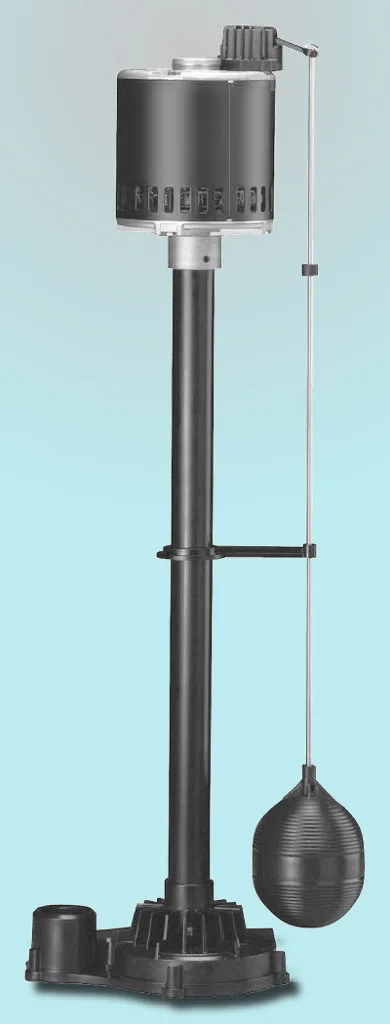
Image source: Wikimedia Commons / Own work (CC BY-SA)
Image source: Wikimedia Commons / Palagiri
Sump Basin Design
The basin itself plays a role too. Most codes require at least 18 by 24 inches for adequate drawdown space. Too small, and even minor inflow keeps the float bouncing.
Proper sizing gives the water level room to stabilize between cycles.
Step-by-Step: How to Diagnose and Fix Short Cycling
Follow this sequence to pinpoint the root cause without guessing.
- Turn off power at the breaker
- Remove the cover and observe the float mechanism
- Lift the float manually while listening for the click
- Pour water slowly into the basin to simulate inflow
- Watch whether the pump starts and stops cleanly
If the float moves freely but the problem persists, inspect the check valve. Unscrew it from the PVC pipe and shake it. You should hear a metallic rattle indicating the internal flap moves.
No sound? Replace the valve. A failing seal here lets water drain back constantly.
Next, check the discharge line. Run a garden hose down it from outside. If water backs up, there’s a blockage downstream.
For float issues, clean sediment off hinges or guides. If the switch still sticks, replace it. Installation notes vary by model, so consult manufacturer specs before adjusting mounting hardware.
Common Mistakes, Safety Risks, and When to Call a Pro
Short cycling wastes electricity and wears components faster than normal operation. Each unnecessary start draws surge current that overheats the windings over time. Eventually, thermal overload trips interrupt operation entirely, leaving your basement vulnerable to flooding.
Here are the biggest errors homeowners make:
| Mistake | Risk |
|---|---|
| Ignoring repeated clicking | Motor burnout within weeks |
| Attempting repairs while powered | Electrical shock hazard |
| Using wrong replacement float | Incompatible voltage damage |
| Skipping annual maintenance | Hidden blockages develop |
Always disconnect power before servicing. Plug-in models still carry live voltage in the cord and outlet. If you’re uncomfortable working near standing water, contact a licensed plumber or electrician.
Professionals can also verify municipal drain connections comply with local codes.
Frequently Asked Questions
Can a bad check valve cause my pump to keep turning on and off?
Yes, absolutely. A failed check valve allows water to flow backward into the sump pit after the pump shuts off. Rising water then triggers the float switch again, causing repetitive short cycles.
Is it dangerous to have a sump pump short cycling?
It can be. Repeated rapid starts generate excessive heat in the motor windings. Over time, this leads to premature failure and potential electrical hazards, especially if the unit lacks proper overload protection.
How often should my sump pump cycle normally?
Normal operation involves one full cycle every few hours during typical weather conditions. During heavy rain or snowmelt, multiple cycles per hour may occur, but each should include a measurable pause between shut-off and restart.
What size sump basin do I need to prevent short cycling?
Most building codes specify a minimum of 18 inches wide by 24 inches deep. Larger basins provide more buffer zone for water levels, reducing sensitivity to fluctuating inflow rates and improving overall pump efficiency.
Should I replace the float switch or the entire pump?
Replace just the float switch if the rest of the pump runs smoothly and isn’t old. However, if your unit has seen several years of frequent short cycling, consider upgrading to a newer energy-efficient model with integrated sensors for better reliability.