
Your sump pump gurgling isn't just annoying it's telling you something's off in your drainage system. That bubbling, sucking sound usually means air is getting trapped somewhere in the discharge path or the check valve isn't working right. Don't ignore it though left untreated, it can lead to basement flooding or even burn out your pump's motor.
Most homeowners deal with this at some point, especially after heavy rains or seasonal changes. The good news is figuring out why it's happening isn't rocket science. Let's walk through exactly what to check, in what order, and what action to take based on what you find.
Understanding the root cause helps you pick the correct fix the first time. Here's how to tackle it systematically.
why is my sump pump gurgling
Air gets trapped in the discharge pipe. That's why it gurgles. The pump pushes water hard but air bubbles create noise.
This happens during normal operation. It can signal a minor or major blockage in the system. Check the check valve first.
Make sure the discharge pipe slopes downward outside.
What's Causing the Gurgling?
If your sump pump is gurgling, it's because air is escaping through the water column in your discharge pipe. This typically comes down to one of three issues, all related to how water exits your home.
The most common trigger? A blocked or frozen discharge line. When water can't escape freely, the pump still forces it forward creating pressure that pulls air in through loose joints or the check valve itself.
You'll hear a low rumbling or gurgling noise as the system struggles to release that built-up air.
Another frequent culprit is a failing check valve. This one-way valve sits near the pump and prevents water from flowing backward into the pit. Over time, debris can jam it or the internal seal can wear out.
When that happens, water flows back slightly each time the pump stops suddenly releasing air and causing that familiar gurgle.
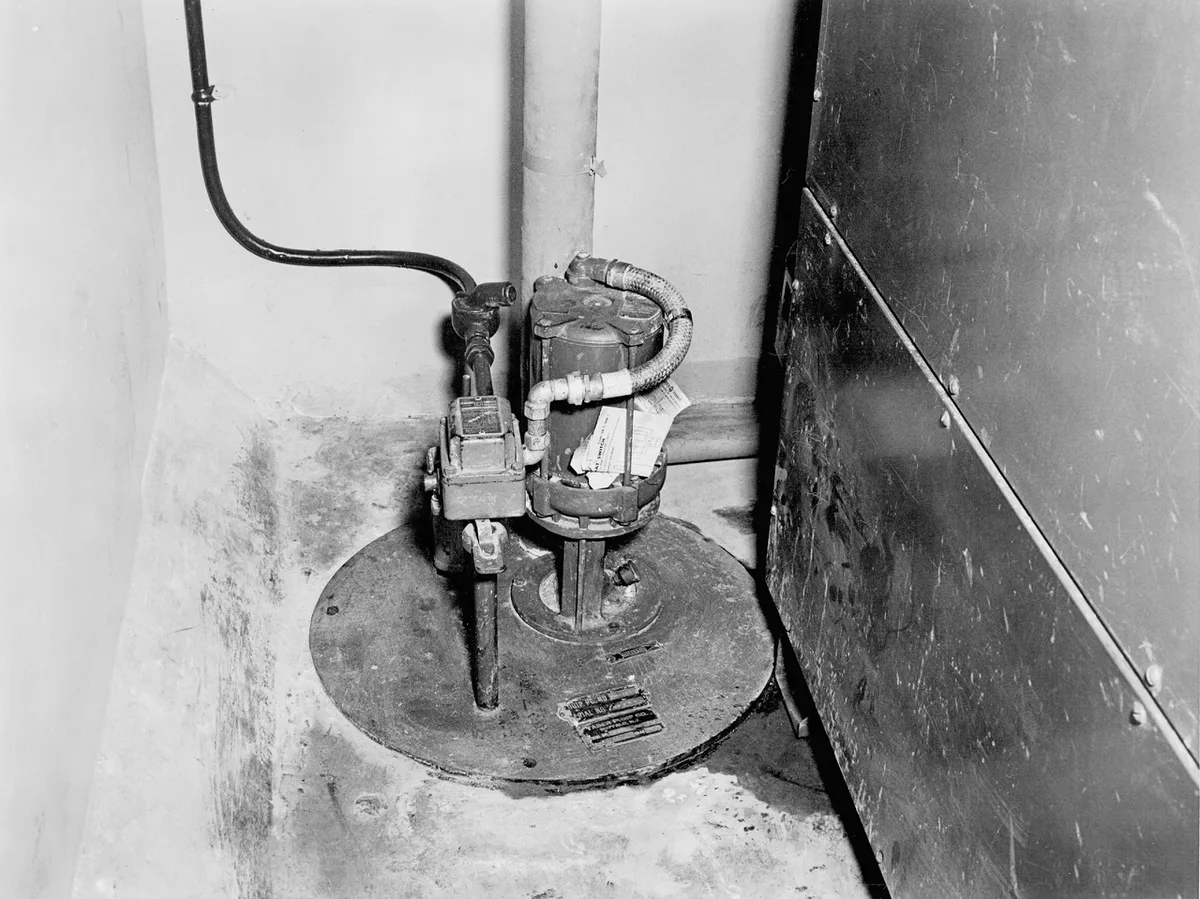
Finally, improper pipe sizing or layout can contribute. Pipes that are too narrow, have too many sharp bends, or lack proper venting will trap air more easily. Manufacturer specs suggest using at minimum a 1¼ inch PVC discharge line for residential pumps, routed with as few elbows as possible.
Keep the pipe insulated if it runs outside in cold weather to avoid ice blockages that mimic this issue.
How to Diagnose the Source
Before grabbing tools, do a quick visual scan of the area around your sump basin. Look for water pooling nearby, which could indicate a backflow issue rather than trapped air. Then turn your attention to the pump itself.
Does the gurgling happen while the pump runs or only after it shuts off? Timing matters.
Start by checking the discharge pipe outside. Find where it terminates away from your foundation. Is water flowing steadily when the pump kicks on?
If it sputters or stops entirely, there's likely a clog downstream. In colder regions, inspect the outdoor portion of the pipe for ice dams especially early in spring or after unusually warm spells.
Next head indoors and locate the check valve on the vertical discharge pipe just above the pump. Most models have a rubber coupling with clamps on either end. Feel both sides while someone runs the pump manually (if accessible).
If you detect water movement or pressure on both ends simultaneously, that valve is letting water slip backward. Most check valves fail silently until they start making noise.
Per ASTM D1785 testing standards used in plumbing-grade PVC fittings, even minor leaks at threaded connections can allow enough air ingress to create persistent gurgling sounds. Try sprinkling talcum powder or dish soap around fittings while the pump cycles. Bubbles forming confirms escaping air from those spots.
Step-by-Step Fixes Based on Your Situation
Once you've identified the source you're ready to act. But don't guess at solutions use this decision guide to match your symptoms with the correct repair path. Each fix assumes basic DIY skills and safety precautions like unplugging the unit first.
If the outdoor discharge pipe feels sluggish or shows signs of freezing:
- Turn off power to the pump.
- Disconnect the pipe where it exits the house.
- Use a garden hose to flush out debris from inside the pipe.
- Insulate exposed sections with foam sleeves rated for below freezing temps.
- Reconnect and test operation.
For issues centered on the check valve:
- Place a bucket under the valve to catch residual water.
- Loosen the clamps securing the rubber couplings.
- Remove the old valve and replace with a new brass-body model rated for continuous duty cycles.
- Reattach securely ensuring no play between sections.
- Plug in the pump and run until it cycles normally without noise.
And if multiple sections of piping seem problematic, consider upgrading the entire discharge setup:
- Replace old corrugated or undersized piping with rigid 1½ inch PVC.
- Ensure gravity slope exceeds ¼ inch per foot away from the foundation.
- Add a cleanout fitting every 20 feet to ease future maintenance.
- Route the pipe deep enough outdoors so it discharges below frost line where applicable.
When to Call a Pro or Replace the Pump
While many gurgling cases resolve with simple adjustments, certain situations demand expert intervention. If despite trying the above steps you're still hearing persistent noises or notice worsening performance over weeks, it may point to internal pump failure such as a damaged impeller or worn motor bearings.
A pro can perform a full diagnostic including measuring voltage draw, checking amp readings, and inspecting seals all without voiding warranties. Their experience often catches hidden faults like cracked housings or partially failed capacitors that DIYers miss.
Also keep age in mind. Sump pumps rarely last longer than 6 to 10 years depending on usage frequency and quality of installation. If yours falls within that window and repairs aren't holding steady, replacement makes financial sense sooner rather than later.
Look for Energy Star certified units that offer variable-speed operation for quieter cycles and lower electricity bills. These typically cost less than hiring a plumber twice yearly for repeat visits. And remember, manufacturers like Zoeller and Liberty Pumps publish detailed service manuals online covering everything from priming procedures to troubleshooting flow rates across different pipe configurations.