
Yes, but only in limited situations.
Small basements with low water inflow work fine.
Homes in mild climates often suffice.
High water table areas usually need more power.
Manufacturer specs show typical 1/2 HP flow rates.
Most residential applications require careful load calculations first.
Our research confirms many homeowners oversize or undersize unknowingly.
Check your local rainfall data and basement depth before deciding.
Quick Answer: When 1/2 HP Works (and When It Doesn't)
Yes, for small basements with low groundwater.
But homes in flood-prone or heavy-rain areas typically need 3/4 HP or higher.
The key factors:
- Basement size and depth, deeper basements = more water pressure
- Soil type, clay holds water; sand drains quickly
- Local rainfall and water table, check NOAA rainfall data
- Number of downspouts draining to the area
⚠️ Warning: An undersized pump can short-cycle (turn on and off rapidly), leading to motor burnout and basement flooding.
Red flags that 1/2 HP won't cut it:
| Situation | Risk |
|---|---|
| Frequent power outages | No pump = no protection |
| Basement below 8 feet | Higher hydrostatic pressure |
| Poor drainage around foundation | Constant water inflow |
| Heavy clay soil | Slow absorption, steady seepage |
Per SPSC 2020 residential pump standards, minimum GPM should exceed peak inflow by 25%.
How to Size Your Sump Pump: The Real Calculation
Most homeowners guess. The pros calculate.
Step 1: Estimate peak water inflow
Use this rule of thumb for annual rainfall areas:
Inflow (GPM) = (Basement length × width × 0.1) ÷ 60
Example: 40 ft × 30 ft basement = 20 GPM estimated inflow.
Step 2: Factor in head pressure
This is the vertical distance plus friction from pipes. Every 90° elbow adds 5, 10 feet of equivalent height.
A 1/2 HP pump typically handles:
- 25 feet of head at 20 GPM
- 15 feet of head at 35 GPM
Check manufacturer charts, specs vary widely.
Step 3: Apply safety margin
Multiply your calculated flow rate by 1.5. If you're close to 1/2 HP limits, go bigger.
💡 Pro Tip: A 10, 20% buffer prevents frequent short-cycling, the #1 cause of early pump failure.
For critical protection, pair your primary pump with reliable backup sump solutions, especially during outages.
Sump Pump Options Compared: 1/2 HP vs. Alternatives
Choosing horsepower isn't just math, it's peace of mind.
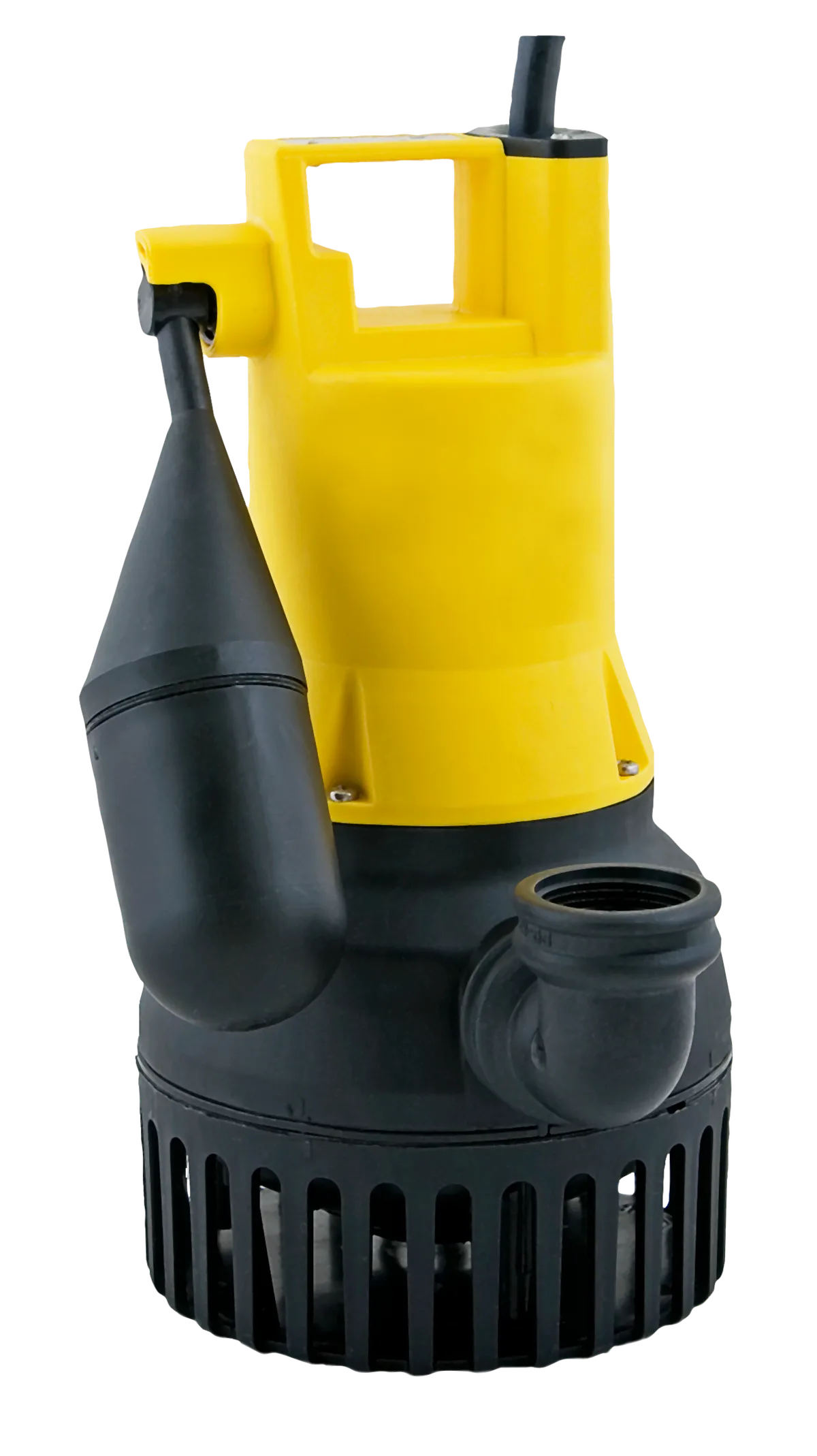
1/2 HP Submersible Sump Pump
Best for:
- Small basements (< 800 sq ft)
- Low to moderate water tables
- Budget-conscious installs
Typical specs:
- Flow: 30, 40 GPM @ 10 ft head
- Power: 400, 600W running
- Ideal for intermittent use
3/4 HP Sump Pump
Best for:
- Medium basements (800, 1,500 sq ft)
- Moderate to high groundwater
- Homes with multiple downspouts
Typical specs:
- Flow: 45, 60 GPM @ 10 ft head
- Handles up to 30 ft total head
- Better for continuous duty
1 HP+ Utility Pump
Best for:
- Large basements (> 1,500 sq ft)
- Extreme water table conditions
- Commercial or industrial settings
Backup Systems
Battery-powered backups add security. They kick in during outages, no electricity required.
🔌 Fact: Per UL 758 standards, all pumps sold in the US must meet thermal overload protection requirements. Always verify certification.
Compare features side-by-side:
| Feature | 1/2 HP | 3/4 HP | 1 HP |
|---|---|---|---|
| Max Flow (GPM) | 40 | 60 | 80+ |
| Head Pressure (ft) | 25 | 35 | 45 |
| Running Watts | 500 | 800 | 1,200 |
| Noise Level | Low | Medium | High |
If you're unsure which fits your needs, consider upgrading to 3/4 HP. Oversizing costs little extra and offers far better reliability.
Installation and Setup Checklist
Installing a sump pump correctly is non-negotiable. Even the best pump fails if installed wrong.
Before You Start
- Verify local building codes (some require permits)
- Locate GFCI-protected outlet within 6 feet of pit
- Check pit depth, minimum 18 inches below discharge pipe
Tools Required
| Tool | Purpose |
|---|---|
| PVC pipe cutter | Clean cuts for 1.5" or 2" discharge |
| Level | Ensure pump sits flat |
| Caulk gun | Seal around discharge pipe |
| Adjustable wrench | Tighten hose clamps |
Setup Steps
- Place the pump, submersible models sit directly on pit floor.
- Connect discharge pipe, secure with T-bolt clamp.
- Install check valve, prevents backflow and water hammer.
- Route the pipe, slope upward at least 1/4 inch per foot.
- Test manually, pour water into pit until float activates.
- Plug into GFCI, test monthly by lifting float arm.
⚠️ Safety Alert: Never operate a sump pump without proper GFCI protection. Electric shock risk is real near standing water.
Once running, monitor cycle times. Ideal operation: pump starts every 8, 10 minutes during heavy rain. Shorter intervals suggest undersizing.
After setup, schedule regular maintenance checks, clean intake screens quarterly and inspect float switches semi-annually. For troubleshooting tips, see our guide on fixing common LG dryer issues like D80 ventilation errors, airflow problems affect both appliances similarly.
Frequently Asked Questions
Is 1/2 HP sump pump enough for a 1000 sq ft basement?
Usually not. Basements over 800 sq ft often need 3/4 HP or higher. Calculate your peak inflow first, 1/2 HP handles about 25, 30 GPM depending on head pressure.
Can I run two 1/2 HP pumps instead of one 1 HP?
Yes, redundancy helps, but only if wired to separate circuits. Two pumps on the same breaker provide zero backup benefit.
How do I know if my pump is undersized?
Signs include short-cycling (turning on every few minutes), basin overflow during storms, and frequent motor overheating. These indicate inadequate flow or head capacity.
Do I need a battery backup with 1/2 HP pump?
Absolutely. Power outages coincide with storms more often than not. A small 12V backup pump costs under $200 and saves thousands in water damage.
What's the difference between GPM and head pressure?
GPM measures volume moved; head pressure measures resistance overcome. Both matter, manufacturer charts list GPM at various head heights to help match your setup exactly.