
Knowing how to manually turn on a sump pump is essential during power failures or switch malfunctions. You can trigger most units by lifting the float arm or pressing a test button. Always verify electrical safety before reaching into a wet basin to avoid shock hazards.
The National Electrical Code requires GFCI protection for basement receptacles as of 2026 to prevent electrocution. Manufacturer specifications indicate that dry running a motor for over thirty seconds causes permanent damage. We will cover safe activation methods that protect both you and your equipment.
Critical Safety Checks Before Touching Your Sump Pump
Water and electricity create lethal conditions in any basement environment. Never reach into a sump pit without confirming the outlet has functional ground fault protection. A faulty GFCI outlet fails to trip during current leaks, leaving you exposed to serious injury risks.
Check the reset button on your receptacle before every manual test cycle. If it feels loose or shows burn marks, stop immediately and call an electrician. Standing on a dry surface while wearing rubber-soled shoes adds a necessary layer of insulation against stray voltage.
Inspect the power cord for fraying, cracks, or exposed wiring near the water line. Damaged insulation compromises safety barriers designed to keep moisture out of live circuits. Unplug the unit entirely if you spot any physical degradation before attempting further troubleshooting steps.
Verify your circuit breaker panel is clearly labeled and accessible before starting work. Quick shutoff capability matters if something goes wrong during manual activation attempts. Keep one hand behind your back when touching components to prevent current from crossing through your chest cavity.
Three Safe Ways to Manually Activate Your Sump Pump
Lifting the float switch remains the most direct method for testing mechanical systems. Grasp the tethered arm or vertical rod and raise it slowly until the motor engages. Listen for a steady hum followed by water discharge through the check valve.
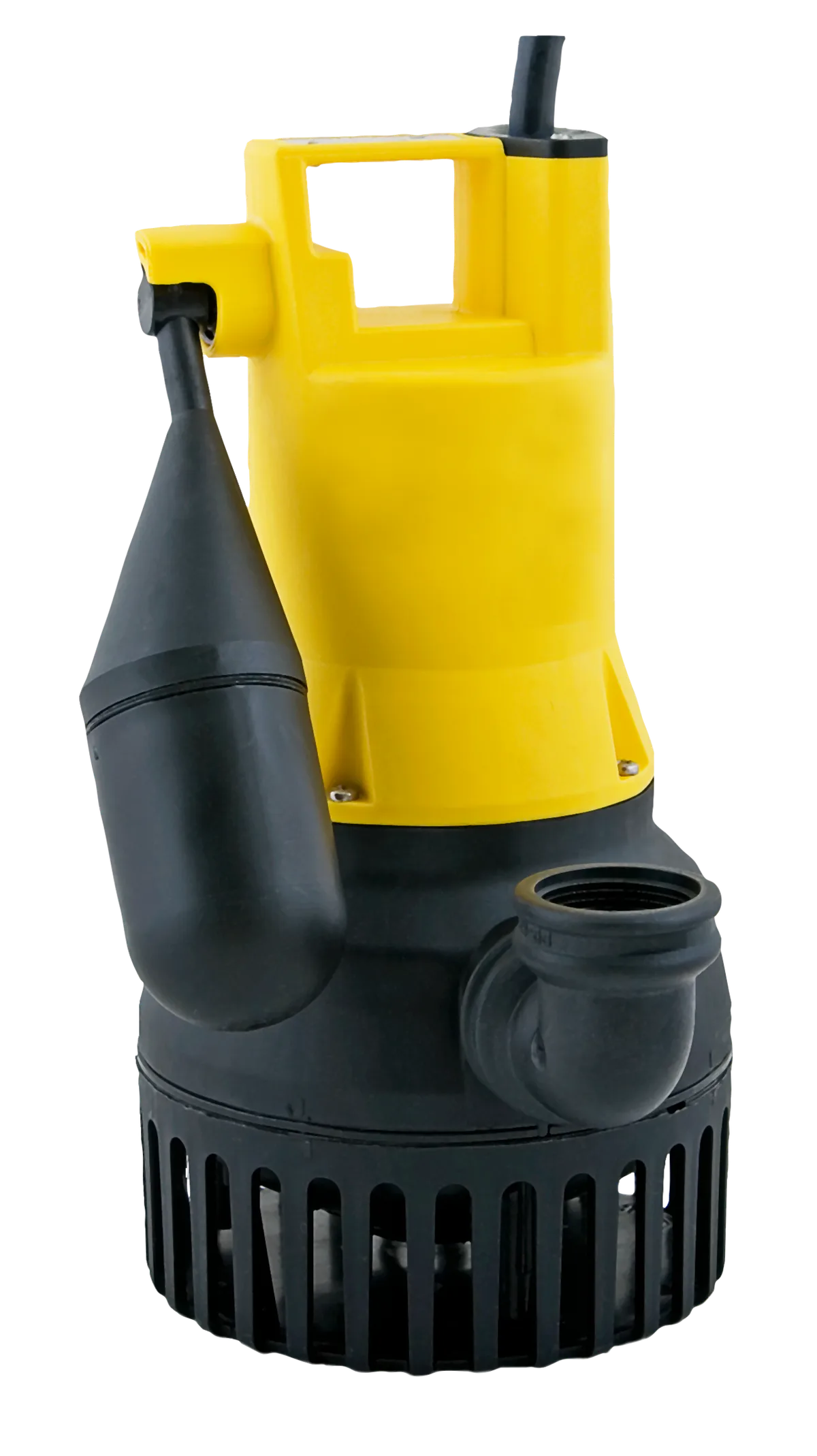
Image source: Wikimedia Commons / PumpExpert (CC BY-SA)
Some modern pumps feature a dedicated manual override button on the control housing. Press this switch briefly to bypass the automatic sensor without disturbing internal components. This approach reduces wear on delicate float mechanisms during routine monthly maintenance checks.
Pouring five gallons of water directly into the basin simulates real flood conditions safely. Watch the water level rise until the float activates naturally at its preset elevation point. This bucket test confirms both switch function and proper drainage capacity simultaneously.

Image source: Wikimedia Commons / Pedro Ribeiro Simões from Lisboa, Portugal (CC BY)
Electronic sensor models require different handling than traditional mechanical floats. Consult manufacturer documentation for specific reset procedures or diagnostic modes unique to your unit. Forcing a digital sensor manually often breaks calibration and voids warranty coverage permanently.
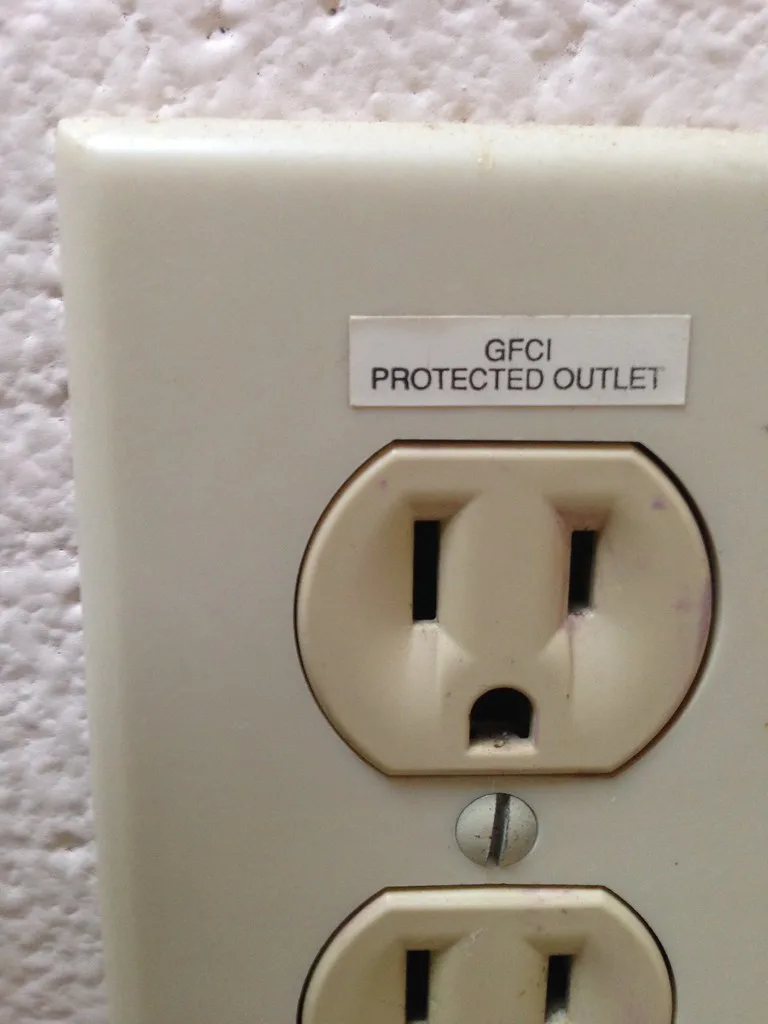
Image source: Openverse / dankeck
Never force a stuck float arm beyond its intended range of motion. Excessive pressure snaps plastic pivot points or bends metal linkage rods inside the assembly. Gentle manipulation reveals obstructions without causing costly mechanical failures during emergency response situations.
Troubleshooting When Manual Activation Fails
A silent pump after manual activation usually indicates electrical supply issues first. Test the outlet with a voltage meter or plug in a lamp to confirm power delivery. Tripped breakers or failed GFCI outlets account for most non-responsive units we encounter.
Humming without water movement suggests a jammed impeller or clogged intake screen. Debris like gravel or sediment blocks rotation and triggers thermal overload protection quickly. Disconnect power completely before removing the pump housing to clear obstructions safely by hand.
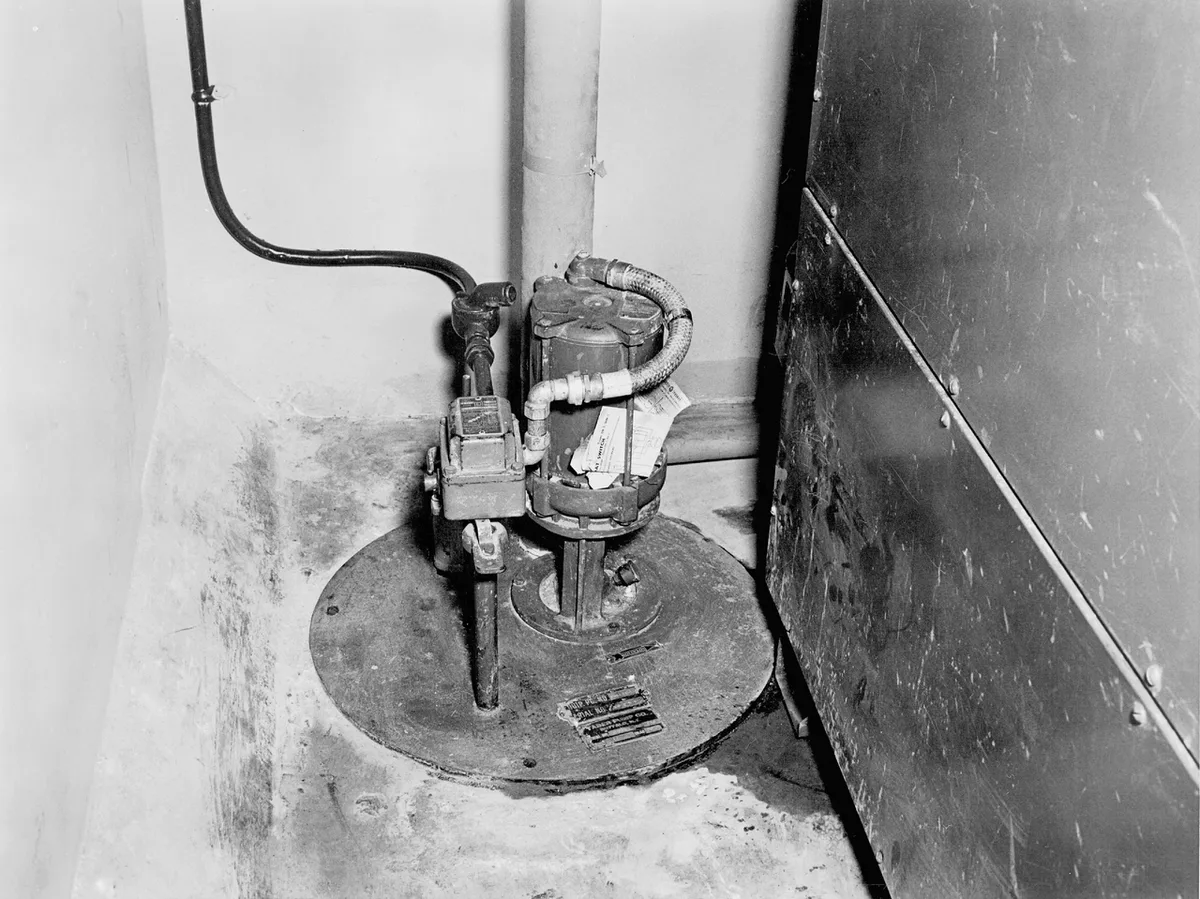
Image source: Wikimedia Commons / United States Department of Energy
Air locks in discharge pipes prevent priming even when motors run normally. Check the weep hole above the check valve for blockages that trap air bubbles. Clearing this small vent restores flow dynamics without requiring full system disassembly or replacement parts.
Burned capacitors produce distinct clicking sounds instead of smooth motor startup. These components store energy needed to overcome initial inertia during each cycle. Replacement requires basic electrical skills but costs far less than buying an entire new pump assembly.
Corroded switch contacts fail intermittently as oxidation builds up over years of use. Cleaning terminals with fine sandpaper sometimes restores connectivity temporarily in older units. Persistent contact failure means the switch assembly needs complete replacement to ensure reliable operation going forward.
Frequently Asked Questions About Manual Sump Pump Operation
How often should I manually test my sump pump?
Monthly testing prevents surprise failures during heavy rain events or spring thaws. Regular cycles keep seals lubricated and verify switch responsiveness before emergencies strike. Quarterly deep inspections including basin cleaning provide additional assurance for high-risk properties with chronic water issues.
Can I manually run a sump pump without water?
Dry running damages motors within thirty seconds according to most manufacturer warnings. Always pour water into the basin first to provide necessary cooling and lubrication. Thermal overload protectors offer some defense but repeated dry tests still shorten equipment lifespan significantly over time.
Why does my sump pump hum but not pump water?
Humming typically signals a seized impeller or failed start capacitor preventing rotation. Debris jams are common after construction work or basement renovations disturb sediment. Capacitor replacements cost under twenty dollars and restore function if the motor windings remain intact and undamaged.
Is it safe to adjust the float switch myself?
Minor tether length adjustments are generally safe for homeowners with basic DIY confidence. Moving activation points too low causes short cycling that burns out motors prematurely. Refer to installation manuals for manufacturer-specified ranges to maintain warranty coverage and optimal performance parameters.