
Figuring out how long should a sump pump run each cycle depends entirely on current weather and groundwater conditions. There is no universal timer because inflow rates vary drastically between a light drizzle and a severe storm. Your system responds directly to water volume entering the basin at any given moment.
Manufacturer specifications indicate most residential pumps operate for 10 to 60 seconds during moderate rainfall events. The International Residential Code requires proper sizing to handle peak inflow without continuous operation. Understanding these baseline metrics helps you identify when your system needs attention or adjustment.
Normal Sump Pump Run Times by Rainfall and Soil Condition
A healthy sump pump cycle typically lasts between 10 and 60 seconds during steady rain. Heavy storms may extend runtime to three minutes while maintaining regular off periods. Dry weather cycles should be rare or nonexistent unless you have a high water table.
Soil composition dramatically affects how quickly water refills your sump basin after pumping. Clay soils retain moisture longer and create slower but more sustained refill rates. Sandy soils drain rapidly and cause frequent short bursts as water infiltrates quickly through permeable ground.
| Weather Condition | Expected Cycle Duration | Frequency |
|---|---|---|
| Light Rain | 10 to 20 seconds | Every 5 to 15 minutes |
| Moderate Rain | 20 to 45 seconds | Every 2 to 8 minutes |
| Heavy Storm | 1 to 3 minutes | Nearly continuous with pauses |
| Dry / Normal | Rare activation | Once daily or less |
Basin diameter also dictates runtime since wider pits hold more water per inch of depth. A standard 18 inch basin triggers shorter cycles than a 24 inch pit with identical inflow. Matching pump capacity to basin volume prevents unnecessary wear from oversized equipment.
Decision Guide: Is Your Cycle Length Healthy or Harmful?
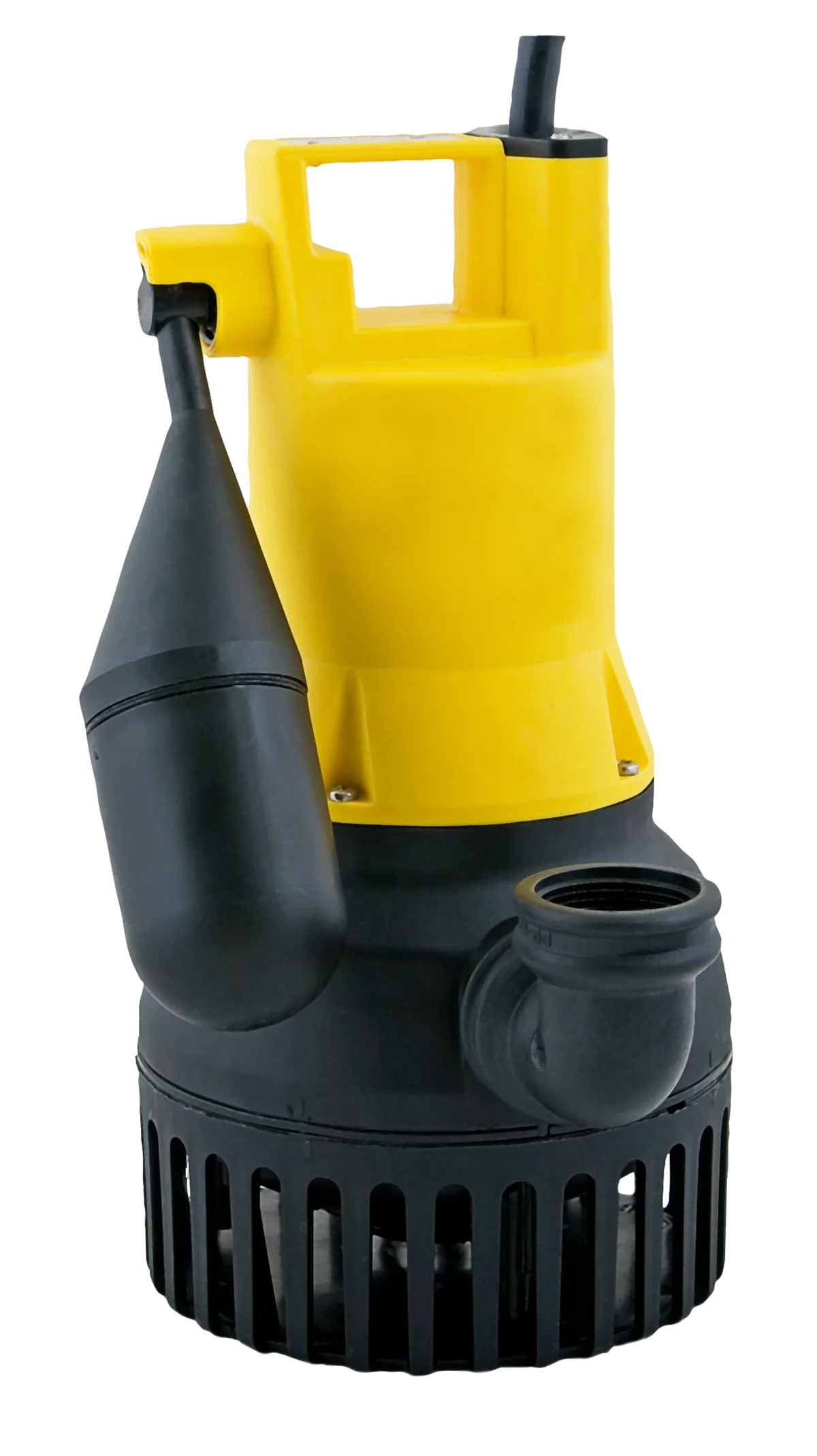
Image source: Wikimedia Commons / PumpExpert (CC BY-SA)
Determining if your pump behavior is normal requires checking specific operational thresholds against current conditions. If cycles exceed three minutes continuously during heavy rain, your pump may be undersized or the discharge line could be restricted. Short cycles under five seconds usually signal float switch problems or check valve failure rather than adequate drainage.
Rapid cycling damages motor windings and burns out switch contacts prematurely due to excessive heat buildup. You should investigate immediately if the pump activates more than ten times per hour in dry weather. This pattern often indicates a stuck float, debris obstruction, or failing diagnostic codes in electronic sensors.
Continuous running without shutoff suggests a broken switch or overwhelming water ingress beyond design capacity. Check the discharge pipe for freezing or blockages before assuming mechanical failure. Proper troubleshooting starts with observing whether the issue correlates with precipitation or occurs independently of weather patterns.
Troubleshooting Abnormal Cycles and Adjusting Float Switches
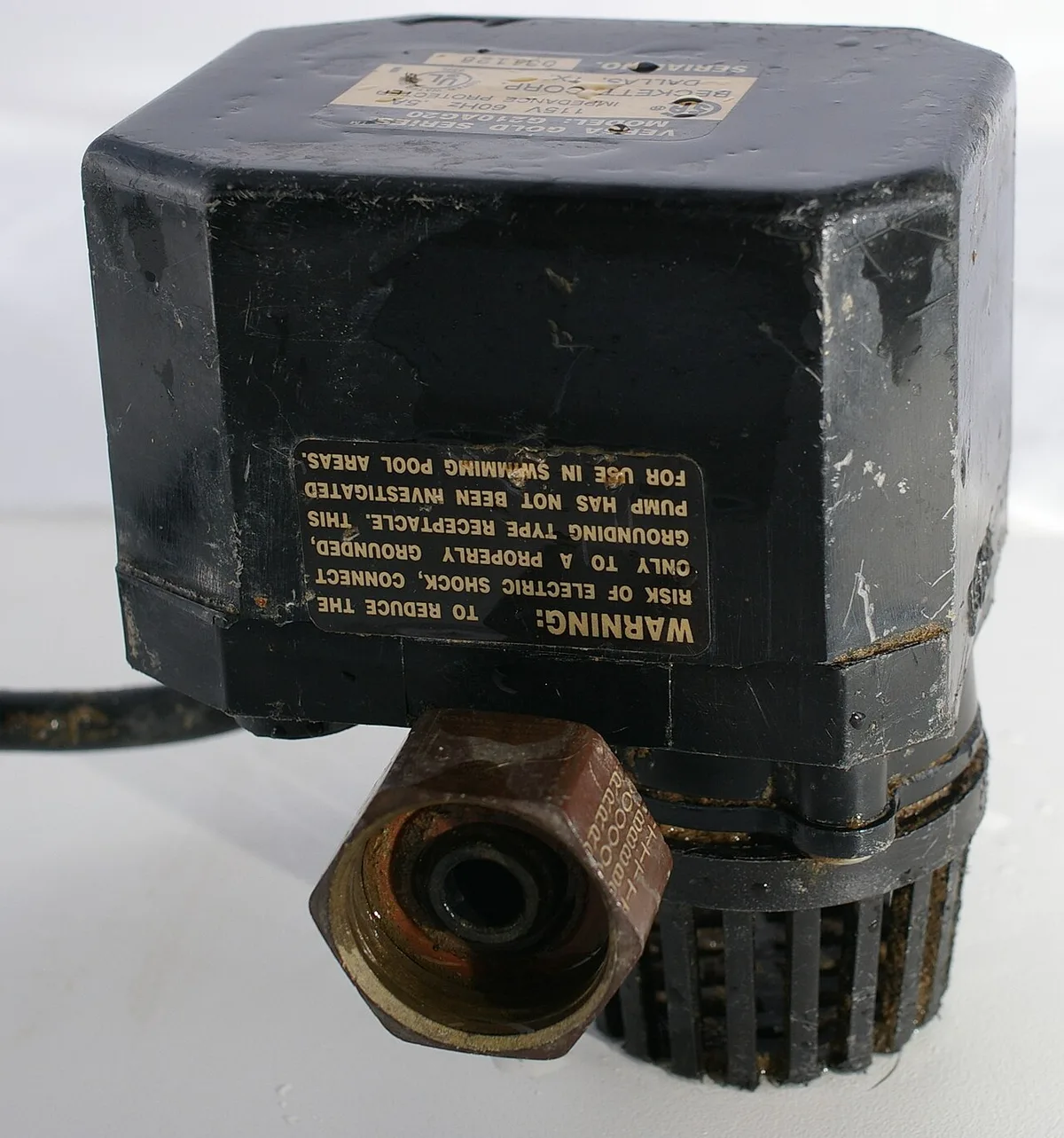
Image source: Wikimedia Commons / Hustvedt (CC BY-SA)
Short cycling often stems from a missing or failed check valve allowing discharged water to flow back into the basin. Installing a spring loaded silent check valve prevents this backflow and extends minimum off time significantly. Ensure the valve orientation matches flow direction arrows to avoid creating new restrictions that mimic clogs.
Float switch tether length determines activation differential and directly controls cycle frequency. Lengthening the tether increases water volume needed between cycles and reduces rapid activation. Shortening it causes more frequent pumping which may be necessary during extreme saturation but risks motor burnout if overdone.
Debris accumulation around the float mechanism creates false triggers and inconsistent operation. Clean the basin thoroughly and verify unobstructed vertical movement before adjusting hardware settings. Electronic water sensors require periodic testing to confirm calibration hasn't drifted after years of mineral exposure or power surges.
If adjustments fail to stabilize timing, consult manufacturer documentation for model specific service intervals. Some units include thermal overload protection that temporarily disables the motor until it cools down safely. Recognizing these built in safeguards prevents misdiagnosing protective shutdowns as catastrophic failures requiring full replacement.
Frequently Asked Questions About Sump Pump Duty Cycles
Why does my sump pump run every 30 seconds?
Frequent thirty second cycles typically indicate check valve failure allowing water backflow into the pit. Debris jamming the float switch can also cause erratic triggering regardless of actual water level. Inspect both components first before considering pump replacement or professional service calls for persistent issues.
Is it normal for a sump pump to run continuously during heavy rain?
Continuous operation during intense storms is acceptable if the pump eventually shuts off once rainfall subsides. True continuous running without pause suggests inadequate capacity for current groundwater volume or a stuck switch. Monitor closely and prepare backup power since extended duty cycles increase overheating risk significantly.
How do I know if my sump pump is short cycling?
Short cycling occurs when activations last under five seconds with equally brief off periods between runs. This pattern generates excessive heat and accelerates contact wear far beyond normal degradation rates. Listen for rapid clicking sounds or observe frequent motor startups as primary indicators needing immediate correction.
Can adjusting the float switch fix abnormal run times?
Yes, modifying tether length changes the water differential between activation and shutoff points effectively. Longer tethers reduce cycle frequency while shorter ones increase responsiveness during rising water events. Always test adjustments incrementally and document changes to establish reliable baselines for future maintenance reference.