
A standard sump pump can run continuously for about 15 to 30 minutes before overheating. This is the hard limit set by thermal overload protection. Most residential pumps are designed for intermittent duty.
They cycle on and off throughout the day. Running nonstop pushes the motor past its safe operating window.
The pump's duty cycle rating tells you the real story. Check the manufacturer's nameplate or specs sheet. A 50% duty cycle means 50% run time, 50% rest.
Exceed this, and internal components start degrading fast.
Continuous operation usually signals a problem. Too much inflow, a clogged discharge line, or a failing float switch. The pump itself isn’t built for this workload.
It will shut down or burn out.
A dedicated circuit with GFCI protection prevents electrical hazards. Per NFPA 70 (National Electrical Code), sump pumps require grounded, GFCI-protected outlets. Never bypass the safety switch or run a corded model on an extension cord permanently.
Most manufacturers provide thermal overload specs. A Zoeller M53, for example, trips around 170°F. If you're seeing frequent overheating shutdowns, the root cause isn’t the pump, it’s the water flow, the plumbing, or the pit design.
Sump Pump Duty Cycle: What Manufacturers Don’t Make Obvious
A sump pump’s duty cycle isn’t just marketing fluff, it’s a real technical spec that determines whether your pump survives or dies under pressure. Most residential sump pumps are rated for intermittent duty, meaning they’re designed to cycle on and off rather than run indefinitely.
Manufacturer specifications indicate that a typical pedestal or submersible sump pump can safely run for 15 to 30 minutes continuously before triggering thermal overload protection. This safety mechanism kicks in around 130°F to 170°F depending on the model.
The difference between a continuous-duty and intermittent-duty pump is significant:
| Pump Type | Duty Cycle | Continuous Runtime | Thermal Protection |
|---|---|---|---|
| Standard Residential | Intermittent | 15–30 minutes | Automatic shutoff |
| Continuous-Duty | 100% | Indefinite | Temperature monitoring |
Aggregate reviews report that users with failing pumps notice a pattern: short cycling, frequent thermal trips, or the motor humming but not discharging water. These are red flags, not normal wear and tear.
If you’re asking "how long can a sump pump run continuously," the honest answer depends entirely on whether your setup exceeds the pump's rated capacity. A pump overwhelmed by inflow will overheat quickly.
How to Tell If Your Sump Pump Is Screaming for Help
Your sump pump doesn’t speak, but it sends clear signals when something’s wrong. Pay attention to these early warning signs:
• The pump runs constantly for over 30 minutes without stopping
• Water isn’t fully draining between cycles, leaving the pit too full too often
• You hear repeated clicking or buzzing sounds from the motor
• The motor housing feels unusually hot to the touch after running
• Discharge water flow seems weak or intermittent during heavy rain
These symptoms typically point to specific root causes. Constant running often means too much water, a clogged discharge pipe, or a malfunctioning float switch. Weak flow suggests debris blocking the impeller or check valve.
If you can safely access the electrical panel, check the dedicated circuit breaker. A tripped breaker is a common cause of sudden pump failure. Don’t reset it repeatedly, if it keeps tripping, investigate why.
When the pit fills faster than the pump can drain it, the issue might be undersized equipment for your home’s actual water load. In older homes, deteriorated sump pits or collapsed discharge lines are frequent culprits.
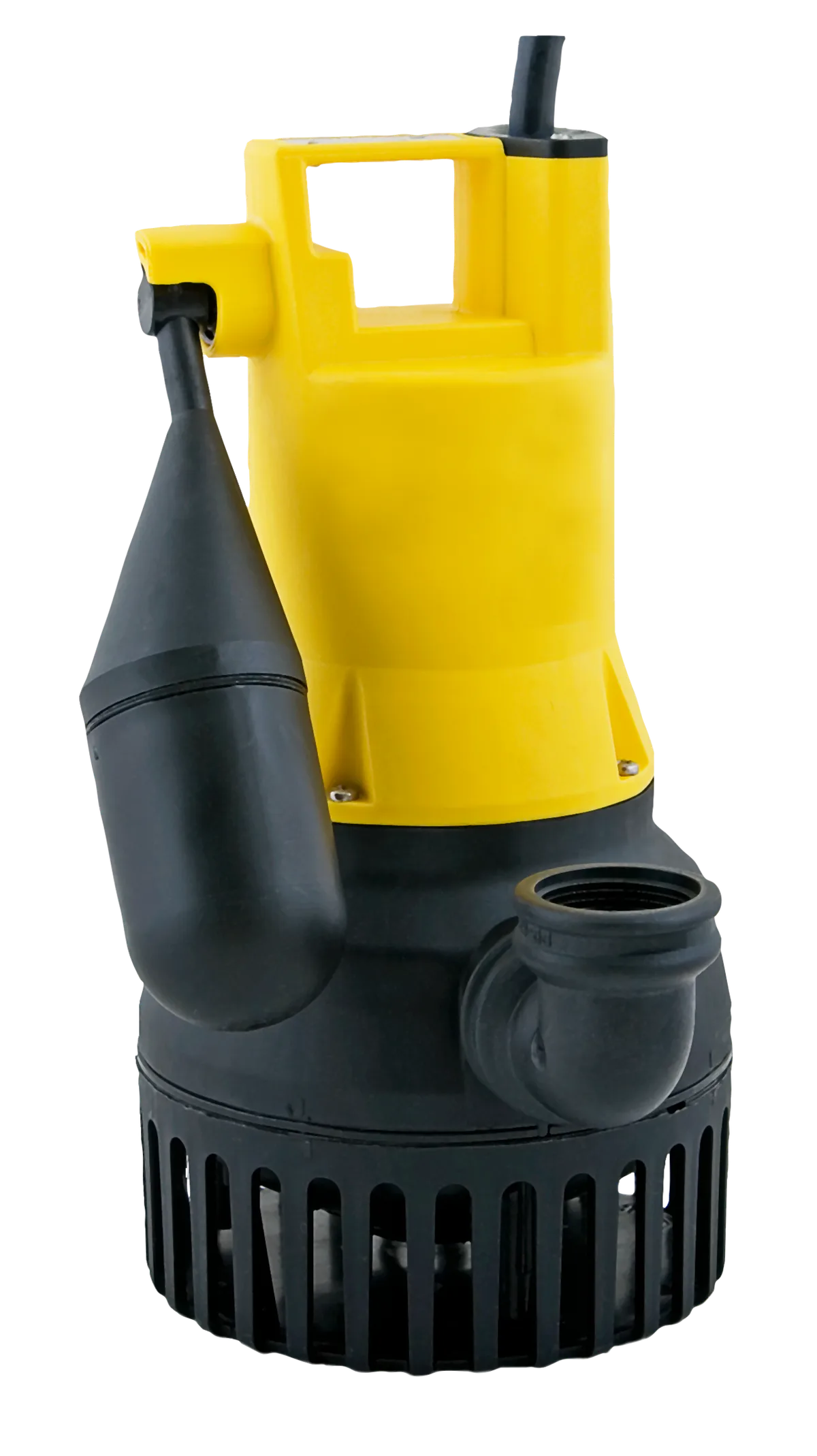
Safe Runtime Guidelines by Pump Type and Situation
Not all sump pumps are created equal. The safe continuous runtime varies significantly based on motor design, duty cycle rating, and installation quality. Here's how to determine what applies to your situation:
Standard residential pumps (most common):
• Safe continuous runtime: 15 to 30 minutes maximum
• Requires 15 to 30 minutes of cool-down time before restarting
• Duty cycle rating: typically 25% to 50%
Continuous-duty commercial pumps:
• Safe continuous runtime: indefinite operation possible
• Built with higher-grade insulation (Class F or H motors)
• More expensive upfront but eliminates burnout risk
Battery backup systems activate only during primary pump failure or extreme flooding. They’re not meant for extended operation either. Runtime depends on battery charge level, typically lasting 8 to 12 hours under load.
For homes in high-water-table areas, consider upgrading to a continuous-duty model rather than repeatedly replacing burned-out standard pumps. The investment pays off when you factor in emergency repair costs and potential basement damage.
When to Call a Pro Before Something Floods (or Burns Down)
You can troubleshoot many sump pump issues yourself. But some situations demand immediate professional intervention.
If the motor housing is hot to the touch and won’t shut off after 20 minutes, unplug the unit immediately. Continuing to run risks permanent motor damage or worse, electrical fire from overheated wiring.
A sump pump discharging water that’s clearly contaminated (sewage, chemical runoff) presents health hazards. Municipal codes often require licensed plumbers to handle contaminated water systems.
For homes with finished basements, repeated pump failures can lead to thousands in water damage. If you've experienced multiple failures in a single season, a professional evaluation of your entire drainage system makes sense.
Licensed plumbers or waterproofing specialists can assess pit depth, soil conditions, and local water table data. They’ll recommend proper pump sizing, install redundant systems where needed, and ensure code-compliant electrical work.
Per ASME A112.21.2m standards, sump systems serving critical infrastructure must meet specific performance requirements. While your home may not fall under that category, following similar rigorous installation practices prevents most common failures.
Frequently Asked Questions
Can a sump pump overheat from running too long?
Yes. Sump pumps have thermal overload protection that shuts off the motor when it exceeds safe temperatures.
What does a 50% duty cycle mean for my pump?
It means the pump can run safely for half the time and must rest for the other half.
Is it normal for my sump pump to cycle every few minutes?
Frequent cycling often indicates a small pit or high water table, but constant operation needs investigation.
How do I know if my float switch is stuck?
Lift the float manually. If the pump doesn’t activate, the switch likely needs replacement.
Frequently Asked Questions
Can a sump pump overheat from running too long?
Yes. Thermal overload protection kicks in around 130°F to 170°F. Most residential pumps shut down automatically to prevent permanent motor damage.
What does a 50% duty cycle mean for my pump?
It means safe operation allows 50% run time, 50% rest time. Running beyond this rating shortens motor lifespan and increases failure risk.
Is it normal for my sump pump to cycle every few minutes?
Frequent cycling usually indicates normal operation in high-water-table areas, but constant running exceeding 30 minutes signals a problem requiring attention.
How do I know if my float switch is stuck?
Lift the float arm manually. If the pump doesn't activate or shut off properly, the switch mechanism needs cleaning or replacement.