
Why is my sump pump making a loud noise? It usually means something is vibrating, grinding, or slamming inside your system. Most of the time, you can trace the sound to one of a few common culprits, like a failing motor bearing or a check valve that's slamming shut.
Identifying the noise type is the fastest way to figure out whether it's a DIY fix or time to call a pro.
Normal sump pump noise should stay between 40 and 70 decibels, per manufacturer specs. Anything louder often points to wear, misalignment, or pressure issues in the discharge line.
why is my sump pump making a loud noise
Your sump pump makes a loud noise because internal or external components are under stress. Worn motor bearings create grinding or squealing sounds. A check valve slamming shut causes loud banging in the pipes.
Debris stuck in the impeller produces rattling or humming noises.
These parts wear down over time. Regular inspection prevents most failures.
What Kind of Noise Is It?
Not all sump pump noises mean the same thing. Pinpointing the sound helps you target the right fix. Here is how the most common noises break down:
| Noise Type | Likely Cause | Urgency |
|---|---|---|
| Grinding or squealing | Worn motor bearings | High — pump needs service soon |
| Banging or slamming | Check valve closing too hard (water hammer) | Medium — can damage pipes over time |
| Humming or buzzing | Clogged impeller or motor struggling | High — pump may burn out |
| Rattling | Loose piping or debris in the pit | Low to medium — tighten or clean |
| Continuous running | Float switch stuck or pump oversized | High — wastes energy and wears pump |
If you hear grinding or constant humming, don't wait. Continued operation can destroy the motor completely.
Start by turning off the power at the switch or breaker. Once it is silent, open the sump pit lid and listen closely. Is the sound coming from inside the pump housing itself, or from the pipes nearby?
That tells you whether the issue is mechanical or hydraulic.
What does a failing check valve sound like?
A failing check valve produces a sharp bang every time the pump shuts off. You might hear it echo through your basement walls. The noise happens because pressurized water slams against the valve after the pump stops.
This condition worsens over time. Left unaddressed, water hammer can crack PVC pipes or loosen joints.
What does a worn impeller sound like?
A worn or clogged impeller creates a high-pitched whine or irregular rattling. The motor still runs, but water flow drops significantly. In severe cases, the impeller may spin freely without moving water at all.
Manufacturers typically rate impellers for 6 to 10 years of service life [Liberty Pumps, Zoeller]. Beyond that, performance degrades noticeably.
Why Your Sump Pump Is Making Noise
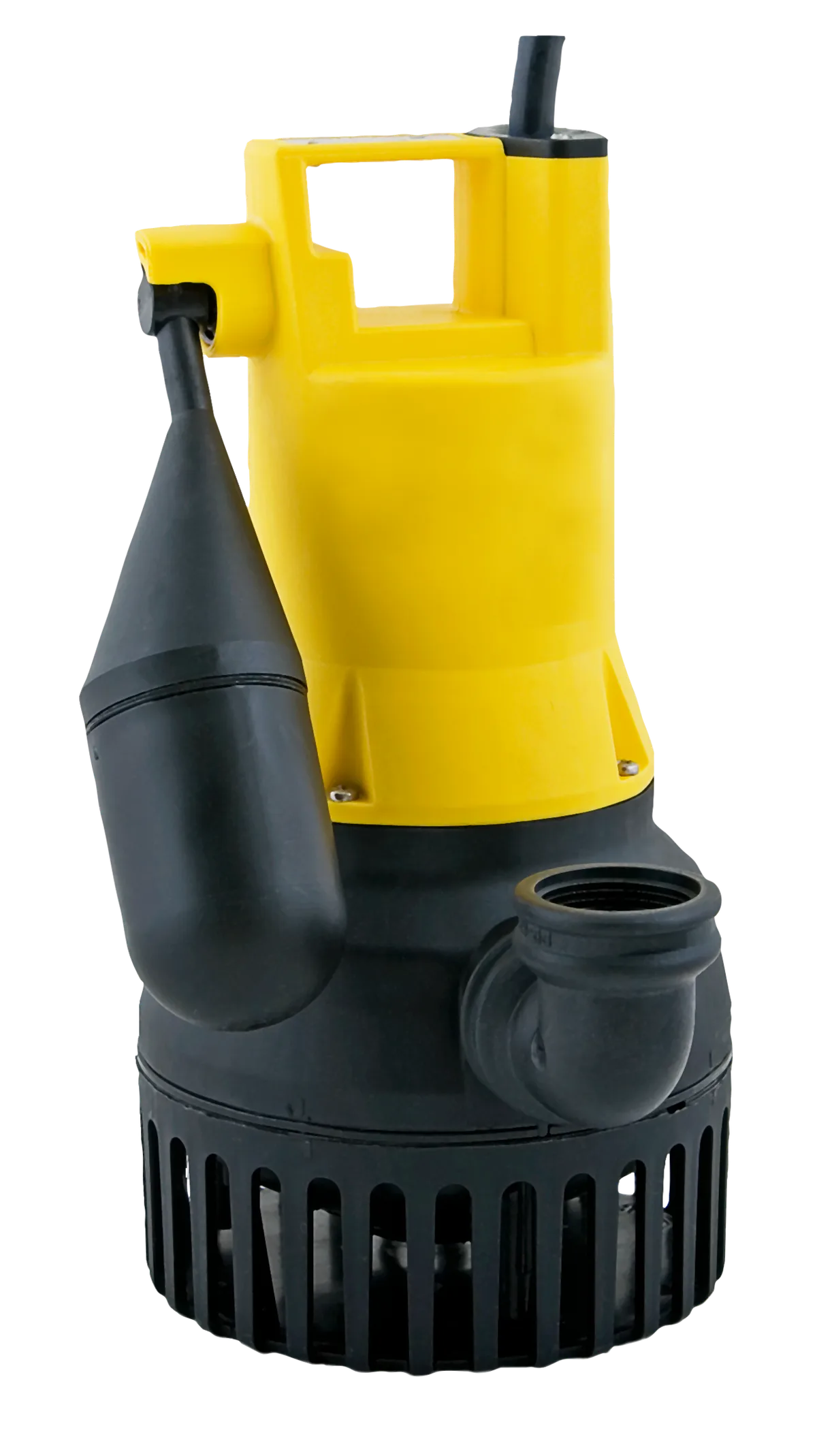
Three main systems inside your sump setup generate noise when something goes wrong. Understanding them makes diagnosis straightforward.
First, the motor and bearings carry rotational loads. As bearings wear, metal surfaces rub directly, producing grinding or squealing sounds. Most submersible pumps use sealed ball bearings rated for continuous duty cycles [IEEE 43].
Once they fail, replacement usually costs more than a new pump.
Second, the impeller and intake screen move water from the pit into the discharge pipe. Rocks, lint, or small debris can jam the impeller, causing vibration or motor strain. A humming sound without water movement often signals blockage here.
Third, the check valve and discharge piping control water flow direction. When the pump shuts off, the check valve closes to prevent backflow. If it closes too abruptly or is improperly sized, pressure waves create loud bangs known as water hammer.
Older homes may also have loose mounting hardware. Vibrations from the pump transfer to unsecured pipes or the pit itself. That results in low-frequency rattling that feels more than it sounds.
Some pumps simply run too often due to oversized capacity or poor pit design. Each startup adds mechanical stress. Frequent cycling leads to premature wear across multiple components.
How to Diagnose and Fix the Noise
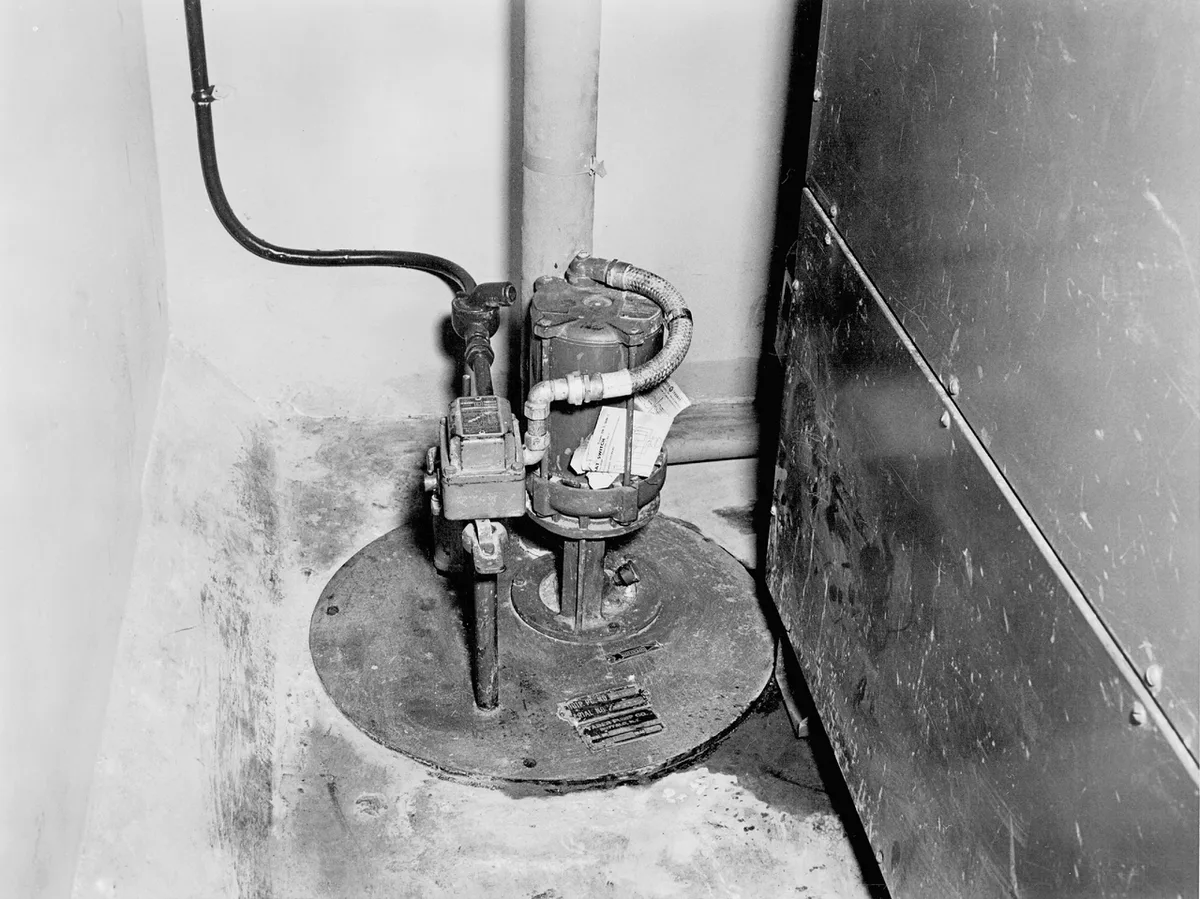
Start with the basics. Unplug the pump or flip the circuit breaker. This eliminates electrical hazards and stops the noise for safe inspection [OSHA 1926].
Gather these tools first:
- Flashlight or headlamp
- Work gloves
- Bucket or wet/dry vacuum
- Adjustable wrench set
- Pipe clamps or zip ties
Now follow this diagnostic workflow:
Listen at the source. Stand near the sump pit while someone turns the pump on. Note whether the noise comes from the motor housing, the pipes, or the floor beneath.
Check the water level. If the pit is nearly dry, the pump runs without enough cooling water. That causes bearing overheating and noise. Add a few gallons temporarily to test.
Inspect the float switch. Make sure it moves freely up and down. A stuck switch forces continuous operation. Debris often jams the arm or tether.
Remove the pump carefully. Lift it out slowly to avoid disturbing settled sediment. Look inside the intake screen for obvious clogs.
Examine the impeller. Rotate the shaft by hand. It should turn smoothly with slight resistance. Grinding or binding means replacement is needed.
Test the check valve separately. Detach the discharge pipe above the valve. Shake it gently. A loose internal disc creates rattling sounds.
Secure loose piping. Wrap pipe hangers or foam insulation around vibrating sections. Even minor contact with framing creates amplified noise.
Replace the check valve if it rattles or fails to seal. Install a quiet-check variant rated for your pipe size. Most manufacturers specify swing-type valves for vertical discharge setups [International Plumbing Code].
For bearing noise, replacement is rarely economical. A new submersible unit costs around $350 to $700 installed, according to contractor data from 2026 [HomeAdvisor pricing survey].
Reassemble everything in reverse order. Plug the pump back in and confirm the noise is gone.
When to Call a Pro or Replace the Pump
Sometimes the smart move is knowing when to stop. Here is a clear decision point:
| DIY-Friendly | Requires a Pro | Time to Replace |
|---|---|---|
| Loose pipes or clamps | Electrical faults or burned wiring | Bearing failure or seized motor |
| Simple check valve swap | Pit too small or needs resizing | Impeller damage or corrosion |
| Float switch cleaning | Repeated cycling after fixes | Age over 8 years with frequent repairs |
Electrical work demands licensed professionals, especially near water. Same goes for major plumbing reconfiguration inside finished spaces.
Frequently Asked Questions
How loud should a sump pump be?
Typical operating noise ranges from 40 to 70 decibels. If yours exceeds that, investigate immediately. Prolonged exposure above 85 dB can damage hearing [CDC noise guidelines].
Why does my sump pump bang when it turns off?
That indicates water hammer in the discharge line. Installing a properly sized check valve with a slow-close mechanism solves most cases.
Can I lubricate the motor bearings myself?
Most modern sumps are sealed for life. Opening the housing voids warranties and risks contamination. Contact the manufacturer instead.
Is it normal for the pump to cycle every few minutes?
Not really. Frequent short cycles suggest a high water table or an oversized pump. Consider adding a second pump or adjusting the float activation point.