
A sump pump gets hot when it runs too long, works too hard, or overheats internally.
This is normal for short periods after heavy use, but sustained heat signals a problem.
Most sump pumps should never exceed 140°F (60°C) during regular operation as of 2026.
If it keeps tripping breakers or smells burnt, stop using it immediately.
Is a Hot Sump Pump Normal or Dangerous?
Some warmth after cycling off is normal. Manufacturers like Zoeller and Liberty Pump rate many residential units for intermittent duty only.
But if the motor housing is too hot to touch after running, that's overheating. Thermal overload protection kicks in around 180°F (82°C). Beyond that, you risk fire or electrical shock.
Normal warmth = barely detectable. Hot to the touch = investigate now.
What Makes Your Sump Pump Hot (And When to Worry)
Sump pumps overheat due to three main causes:
Continuous Operation, The float switch is stuck or water keeps flowing into the pit faster than the pump can clear it. This forces the motor to run nonstop until it burns out.
Mechanical Strain, Debris blocking the impeller or discharge line forces the motor to work harder. Restricted flow raises temperature quickly.
Electrical Issues, Voltage problems or internal component failure cause excessive current draw. This generates dangerous levels of heat.
Check if your pump runs more than 5 minutes straight. If yes, look at what's making it strain.
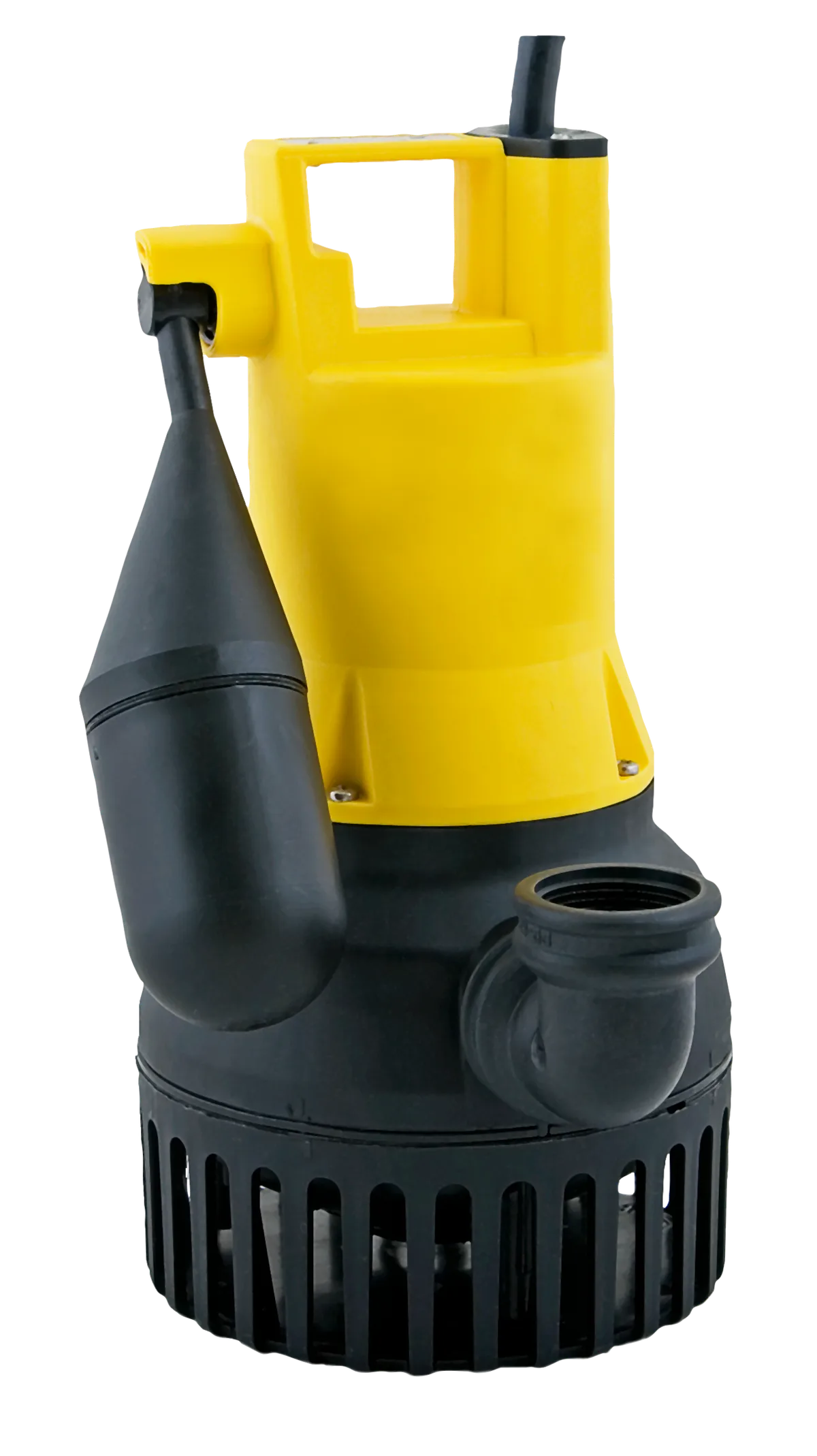
Image source: Wikimedia Commons / PumpExpert (CC BY-SA)
Step-by-Step: How to Diagnose a Hot Sump Pump
Before touching anything, unplug the unit and wait 15 minutes for cooling.
- Check the float switch, Lift it manually. Does the pump start and stop properly?
- Inspect for clogs, Remove any debris around the intake screen or impeller.
- Verify discharge flow, Ensure water exits freely from the discharge pipe.
- Measure ambient temperature, Is the room unusually warm?
- Test GFCI outlet, Press “Test” then “Reset.” Some outlets weaken over time.
If the motor still runs hot after cleaning, check the thermal overload reset button on the motor housing.
Common Mistakes That Cause Overheating (and How to Avoid Them)
- Ignoring constant running, Many think intermittent cycling is normal, but continuous operation wears components fast.
- Skipping maintenance, Sediment buildup or mineral deposits reduce efficiency and increase strain.
- Installing without proper ventilation, Enclosed pits trap hot air. Leave space around the motor housing.
- Using undersized discharge piping, Restrictive pipes force backpressure, overheating the motor.
- Operating during dry periods, Running a pump without sufficient water causes cavitation and heat spikes.
Regular quarterly checks prevent most failures. For hardwired units, always hire a licensed electrician.
Sump Pump Heat Safety and When to Call a Pro
Never handle a sump pump with wet hands or while standing in water.
Plug into a GFCI-protected outlet to prevent electrocution risks.
Call a professional if you see discoloration, smoke, burning odors, or repeated breaker trips.
Replace older models lacking modern thermal protection. Newer pumps include built-in safeguards as standard.
For complex installations involving concrete slabs or multiple pumps, consult a certified plumber experienced with basement waterproofing systems.
Frequently Asked Questions
Can a sump pump catch fire from overheating?
Yes, though rare, prolonged overheating can damage wiring insulation and ignite nearby materials. Modern pumps include thermal cutouts to prevent this.
Why does my new sump pump feel warm?
Manufacturing oils or initial break-in heat may cause slight warmth. Normal operation shouldn’t produce noticeable heat within the first few cycles.
How long should a sump pump cool down before restarting?
Wait at least 15 minutes after shutdown. Restarting sooner risks premature wear on the motor windings.
What temperature is too hot for a sump pump?
Anything over 140°F (60°C) indicates stress. Temperatures exceeding 180°F (82°C) will trip thermal overloads automatically.
Should I cover my sump pit to keep the pump cooler?
Yes, lids help contain odors and debris, but ensure adequate airflow around the motor housing to avoid heat buildup.