
When the grid fails, your primary sump pump stops moving water immediately. Understanding what happens to a sump pump during a power outage is critical for preventing basement flooding. Without electricity, the float switch cannot trigger the motor to cycle on.
Water continues entering the pit through drain tiles or hydrostatic pressure regardless of electrical status.
Manufacturer specifications indicate most standard pumps draw 6 to 10 amps while running. This surge requirement means typical household uninterruptible power supplies often fail to start the motor. You need dedicated backup systems designed specifically for high-torque appliance loads.
Let’s examine exactly how different protection methods perform when storms knock out local power.
What Happens to a Sump Pump During a Power Outage
A sump pump ceases all operation the moment electrical current stops flowing. The float switch remains inactive even as water levels rise in the basin. Groundwater infiltration continues unchecked through perimeter drainage systems or foundation cracks.
Flooding begins once water exceeds the pit capacity and spills onto the floor.
Electronic components like WiFi alarms and smart controllers also lose functionality without battery reserves. You won’t receive remote notifications about rising water levels during extended blackouts. Mechanical check valves may allow backflow if installed incorrectly above the water line.
This silent failure mode causes rapid accumulation that goes unnoticed until damage occurs.
Backup Options Ranked by Reliability and Real-World Runtime
Battery backup systems provide the most common defense against short-term grid failures. These units use deep cycle marine batteries or AGM cells to power a secondary pump automatically. Aggregate reviews report typical runtime spans 4 to 8 hours of continuous pumping.
Intermittent cycling can extend protection to 24 hours depending on rainfall intensity and battery age.
Water-powered backup pumps offer unlimited runtime but require municipal water pressure. They consume roughly two gallons of city water for every gallon removed from the pit. This option fails completely if your area loses water pressure during the same storm event.
Local plumbing codes often mandate backflow preventers to protect potable water supplies from contamination.
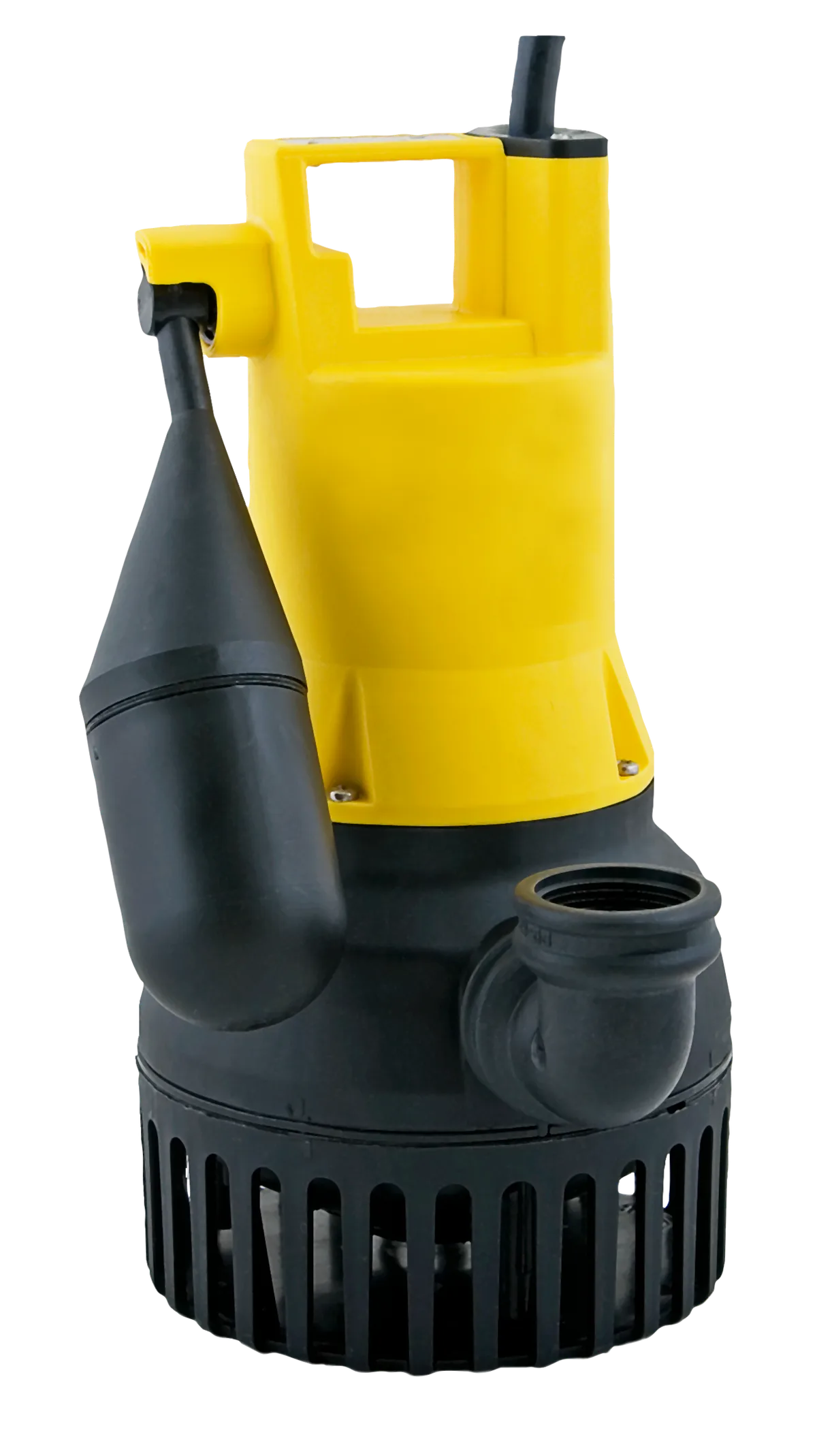
Image source: Wikimedia Commons / PumpExpert (CC BY-SA)
Whole-home standby generators deliver the highest reliability for multi-day outages. They connect via automatic transfer switches to restore power within seconds of grid failure. Proper sizing must account for the 15 to 30 amp startup surge of sump motors.
Per CDC safety guidelines, portable generators must never operate indoors or inside attached garages due to carbon monoxide risks.
| Backup Type | Typical Runtime | Key Limitation | Best Use Case |
|---|---|---|---|
| Battery Backup | 4–24 Hours | Battery degradation over time | Short storms under 12 hours |
| Water-Powered | Unlimited | Requires steady municipal pressure | Areas with reliable city water |
| Standby Generator | Days to Weeks | High installation cost and fuel needs | Extended outages and whole-home power |
Choosing between these options depends on your specific risk profile and budget constraints. We’ve found that combining a battery backup with a generator provides redundant protection layers. This approach covers both brief interruptions and catastrophic week-long events.
Regular maintenance ensures each system activates correctly when primary power disappears.
Critical Safety Risks and Common Installation Mistakes
Carbon monoxide poisoning remains the deadliest risk associated with emergency power equipment. Portable generators placed too close to structures can push exhaust into living spaces through windows or vents. Manufacturer documentation consistently warns against operating combustion engines in enclosed areas.
Always maintain minimum clearance distances specified in your unit’s manual to prevent toxic gas accumulation.
Electrical shock hazards increase significantly when working near flooded sump pits. GFCI outlets protect against ground faults but can nuisance trip during heavy rain events. If your pump loses power before the outage starts, you might assume the grid failed prematurely.
Testing these safety devices monthly prevents false confidence during actual emergencies.
Undersized inverters represent another frequent point of failure in DIY backup setups. Standard computer UPS units lack the starting wattage needed for inductive motor loads. The initial surge can be three times higher than running amperage requirements.
Verify your inverter handles at least 2000 starting watts for typical residential pumps.
Improper check valve installation allows discharged water to flow backward into the pit. This backfill effect forces your backup system to re-pump the same water repeatedly. It drains batteries faster and reduces effective runtime during critical periods.
Ensure valves mount vertically above the water line with correct orientation markings facing upward.
Neglecting battery maintenance leads to silent failures when you need power most. Flooded lead-acid cells require regular water top-offs and terminal cleaning. Corrosion builds quickly in humid pit environments and increases electrical resistance.
Switching to sealed AGM or LiFePO4 batteries eliminates this maintenance burden while extending service life.
Frequently Asked Questions About Sump Pumps and Outages
Will a standard UPS keep my sump pump running?
Most computer-grade UPS units cannot handle sump pump startup surges. These motors require 1500 to 2000 starting watts that exceed typical UPS capacity. The inverter will likely shut down or fail to initiate the motor cycle.
Invest in purpose-built battery backup systems rated specifically for sump applications instead.
How long do backup batteries typically last?
AGM batteries generally provide 3 to 5 years of reliable service in sump applications. Lithium iron phosphate options extend lifespan to 7 or 10 years with better depth-of-discharge tolerance. Actual runtime per charge depends heavily on battery age and ambient temperature.
Test your system quarterly to verify it still meets manufacturer runtime specifications.
Can I run a sump pump off a car battery?
Car batteries are designed for cranking engines, not sustained deep discharge cycles. Using one for sump backup will permanently damage the plates after just a few uses. Deep cycle marine or RV batteries handle repeated draining without premature failure.
Always match battery chemistry to the intended duty cycle for safety and longevity.
Do water-powered backups work with well water?
No, water-powered sump pumps require consistent municipal water pressure to function. Private wells lose pressure during power outages since the well pump also needs electricity. This makes water-powered backups unreliable in rural areas dependent on well systems.
Battery or generator backups remain the only viable options for well-water properties.
Should I unplug my sump pump during storms?
Never disconnect your sump pump in anticipation of severe weather. Lightning strikes can cause surges, but unplugging leaves you vulnerable to immediate flooding. Install whole-house surge protection or dedicated outlet protectors instead.
These devices safeguard electronics while maintaining continuous flood protection throughout the storm event.