
Yes, a sump pump does run in the winter, but only if installed and winterized correctly. In northern climates where temperatures drop below 10°F (-12°C), standard configurations risk frozen discharge lines and burnout. For reliable cold-weather operation, insulate all exterior pipes and install a GFCI-protected outlet rated for wet locations.
does a sump pump run in the winter
Yes, a sump pump runs in the winter. The pump activates whenever water accumulates in the basin. This happens during snowmelt and ice thaw.
Cold weather doesn't stop the pump from functioning.
A properly maintained system operates year-round. Water enters the pit regardless of season. The float switch triggers pumping automatically.
Winter introduces freeze risks. Discharge pipes can ice over. The pump may then fail to expel water.
Frozen check valves also cause backups.
Most modern pumps handle cold conditions well. Submersible units perform better than pedestal models. They stay below freezing levels naturally.
Always test your system before first freeze. Pour water into the basin to verify operation. Clear ice dams from exterior discharge points monthly.
Why Winter Operation Matters and What Changes
Winter brings unique sump pump challenges. Snow melting creates sudden water surges. Ice formation blocks normal discharge paths.
These conditions strain typical household systems beyond design limits.
Temperature drops affect pump components directly. Plastic fittings contract and crack under stress. Metal parts corrode faster in salt-contaminated environments.
Battery backups lose capacity in extreme cold.
Discharge piping requires special attention. Standard PVC becomes brittle below 20°F (-7°C). Ground saturation freezes solid in un-drained areas.
Proper grading prevents ice buildup around foundations.
Electrical connections pose significant hazards. Condensation forms on junctions not rated for cold. Moisture infiltration causes GFCI trips unexpectedly.
Use weatherproof covers rated NEMA 3R minimum.
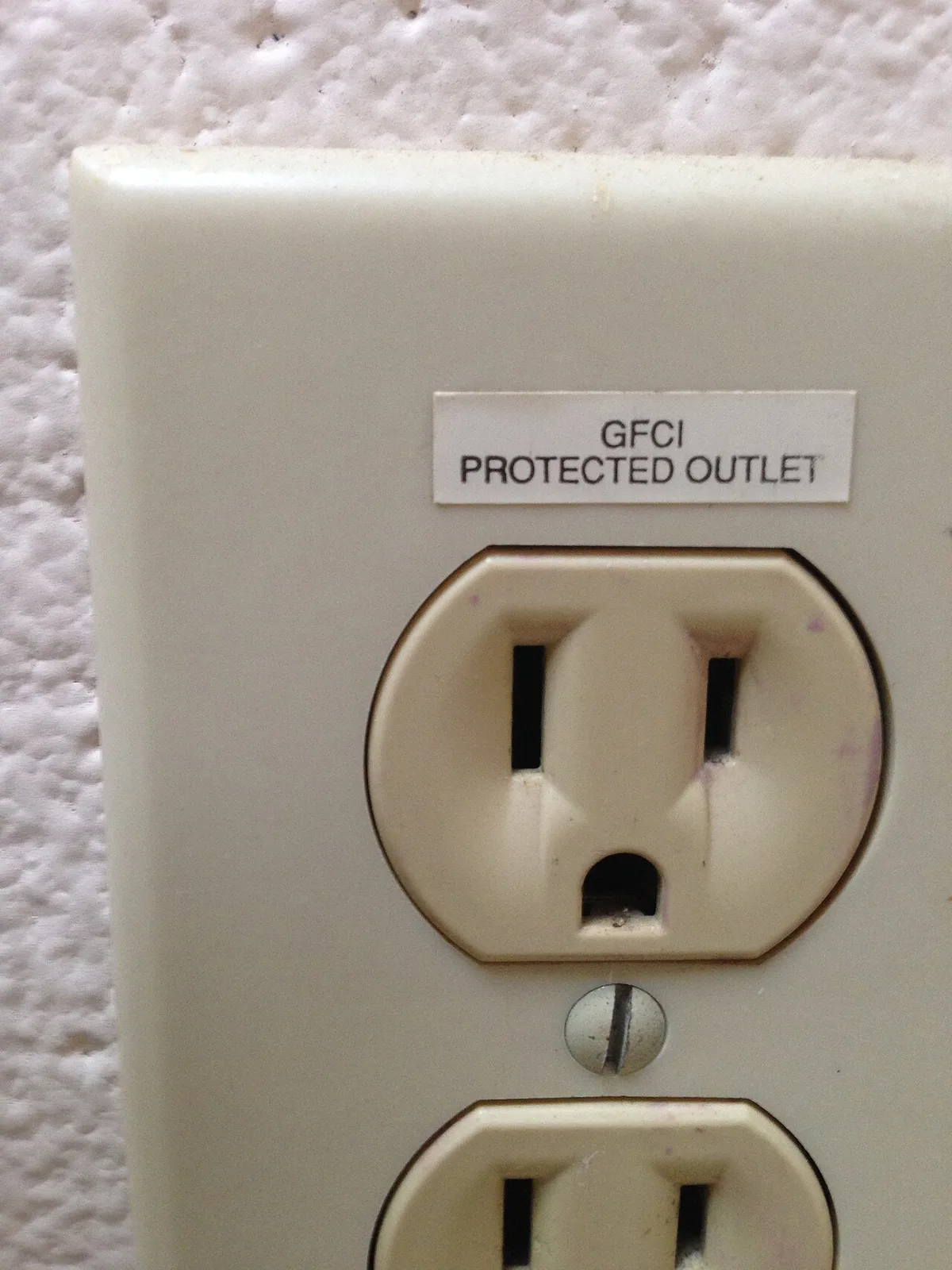
Image source: Wikimedia Commons / dankeck
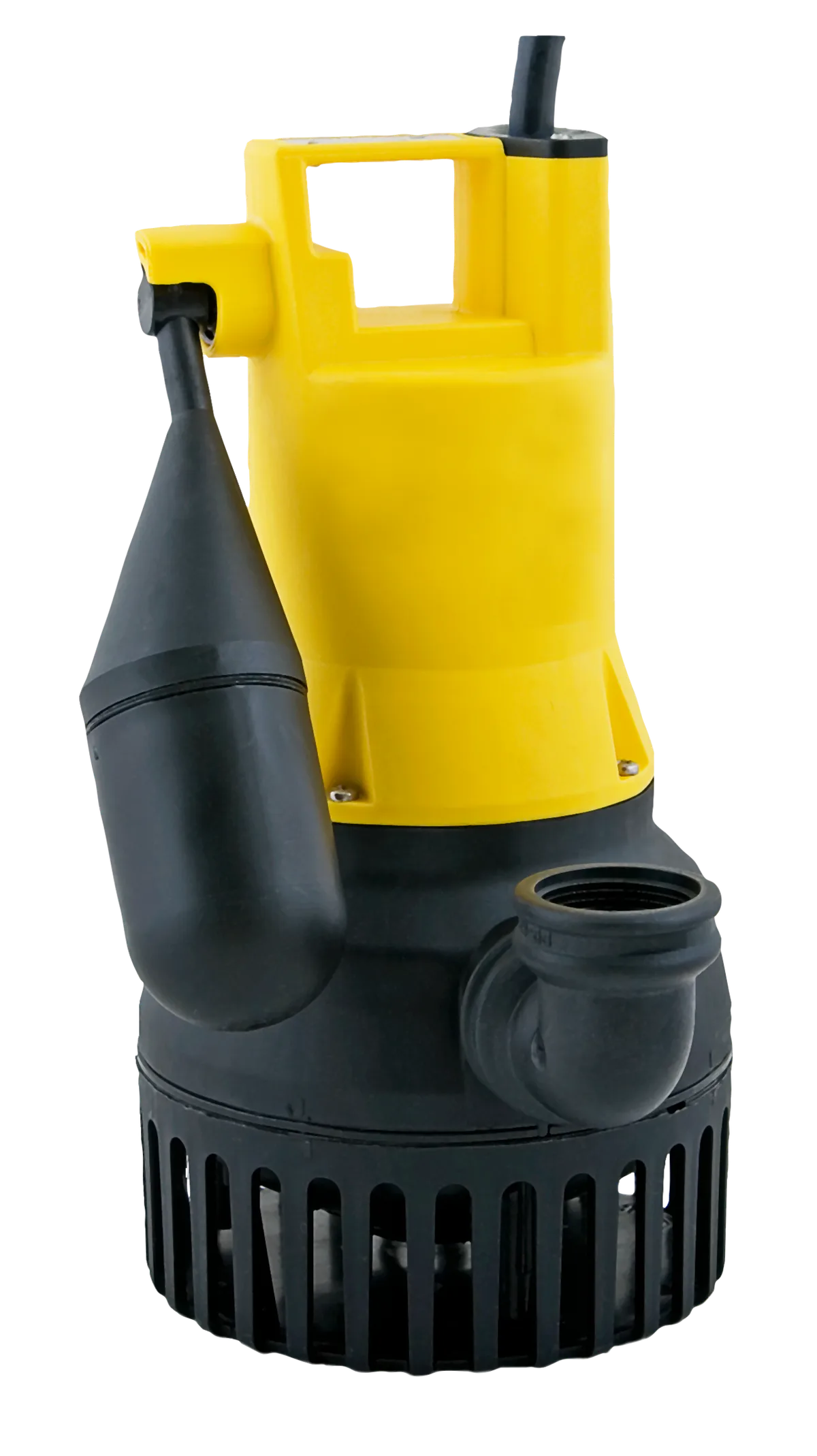
Image source: Wikimedia Commons / PumpExpert (CC BY-SA)
How to Winterize Your Sump Pump: Step-by-Step
Proper winterization protects against costly failures throughout freezing months. Follow these verified steps before temperatures drop consistently:
Inspect the basin interior, Remove debris covering the pump. Check for cracks or wear indicators on seals.
Test automatic operation, Lift the float switch manually. Confirm the pump starts immediately and shuts off when released.
Clear the discharge line, Disconnect piping if possible. Flush out sediment buildup using a garden hose connected upstream.
Insulate exposed piping, Wrap accessible sections with foam pipe insulation rated down to -40°F. Seal joints with waterproof tape.
Install heat tape (optional), Apply self-regulating heating cable along vulnerable vertical risers. Plug into GFCI-protected circuits only.
Verify proper slope, Ensure discharge pipe maintains 1/4 inch per foot grade away from structure. Avoid low spots where water pools.
Check GFCI functionality, Press 'Test' button weekly during active usage periods. Reset promptly after confirming power disconnection.
Monitor battery condition, Clean terminals with baking soda solution. Top electrolyte levels in flooded lead-acid models monthly.
Image source: Wikimedia Commons / PumpExpert (CC BY-SA)
Image source: Wikimedia Commons / dankeck
Common Winter Problems and How to Fix Them
Even well-maintained systems encounter seasonal complications. Recognizing warning signs prevents minor issues escalating into major repairs.
| Problem | Immediate Action | Prevention Tip |
|---|---|---|
| Discharge pipe freezing | Pour warm water over ice blockage | Install heat tape pre-winter |
| Continuous pumping sound | Check float switch jammed position | Trim interfering debris regularly |
| GFCI tripping repeatedly | Unplug unit; inspect cord for damage | Replace corroded connections early |
| Basin overflow during thaw | Activate backup pump manually | Upgrade primary pump flow rate |
Frozen discharge lines represent the most frequent complaint among northern homeowners. When water exits the pump chamber but cannot flow freely outside, pressure builds rapidly within enclosed piping networks.
Temporary fixes include wrapping problem zones with electric heating pads while awaiting permanent solutions. However, repeated freeze-thaw cycles eventually compromise structural integrity beyond simple remediation efforts.
Backup pump activation becomes critical during peak demand hours. Heavy rainfall combined with concurrent snowmelt overwhelms single-unit installations commonplace in older residences constructed before updated building codes mandated redundancy requirements.
Image source: Wikimedia Commons / PumpExpert (CC BY-SA)
FAQs: Sump Pump Winter Questions
Can I leave my sump pump running all winter?
Yes. Modern pumps are designed for year-round operation. Always ensure the discharge line remains clear of ice buildup.
What happens if my sump pump freezes?
Water backs up into the pit. This can overflow into basements causing flooding damage without proper intervention.
Should I turn off my sump pump in winter?
Never disable automatic operation. Instead, winterize external components and monitor performance closely during freeze events.
Does insulation help prevent freezing?
Foam sleeves protect above-ground piping effectively. Combine with heat tape for maximum freeze protection in vulnerable zones.
How often should I check my pump in winter?
Weekly visual inspections suffice. Listen for unusual noises indicating mechanical stress or obstruction development early.