
Understanding what does horsepower mean for a sump pump starts with ignoring the marketing hype on the box. Horsepower measures motor energy consumption, not actual water removal capacity in your specific basement setup. A higher rating often just means more electricity usage rather than better flood protection for your home.
Manufacturer specifications confirm that flow rate at your specific vertical lift matters far more than raw power. Per Hydraulic Institute standards, a properly sized 1/3 HP unit frequently outperforms an oversized 1/2 HP model in standard residential pits. We will walk through matching these technical curves to your actual drainage needs.
What Does Horsepower Mean for a Sump Pump
Horsepower indicates electrical input rather than pumping output. It measures energy consumed by the motor. Flow rate determines actual water removal speed.
Head pressure dictates effective lifting capability. You must match both specs to your pit.
Why Horsepower Doesn’t Equal Pumping Power
The Relationship Between HP, Head Pressure, and Flow Rate
Horsepower tells you how much electricity the motor burns while running. It does not tell you how fast water moves through your specific discharge pipe. That job belongs to Total Dynamic Head or TDH.
TDH combines vertical lift distance with friction loss from pipes and fittings.
A 1/2 HP pump might push 3000 gallons per hour at zero feet of head. That same unit could drop to 800 GPH at fifteen feet of vertical lift. Manufacturer performance curves show this inverse relationship clearly.
You need enough power to overcome resistance, not just move volume.
This is why reading pump performance charts matters more than comparing HP labels. Two pumps with identical horsepower can have wildly different flow rates at the same head height. Impeller design and volute geometry create these differences.
Always verify the curve matches your installation parameters before buying.
Reading a Performance Curve Without an Engineering Degree
Performance curves plot flow rate against head pressure on a simple graph. Find your calculated TDH on the vertical axis first. Draw a horizontal line across to where it intersects the pump curve.
Drop straight down to read expected gallons per minute at that exact operating point.
The ideal operating zone sits in the middle third of the curve. Running too far left causes overheating and cavitation damage. Operating too far right wastes energy and shortens motor life.
Aggregate reviews report premature failures when homeowners ignore this sweet spot.
Check the shut-off head rating as well. This number shows maximum vertical lift before flow stops completely. Your actual static head should never exceed sixty percent of this value.
Staying within safe limits ensures reliable operation during heavy storms.
How to Match Sump Pump HP to Your Basement’s Actual Needs
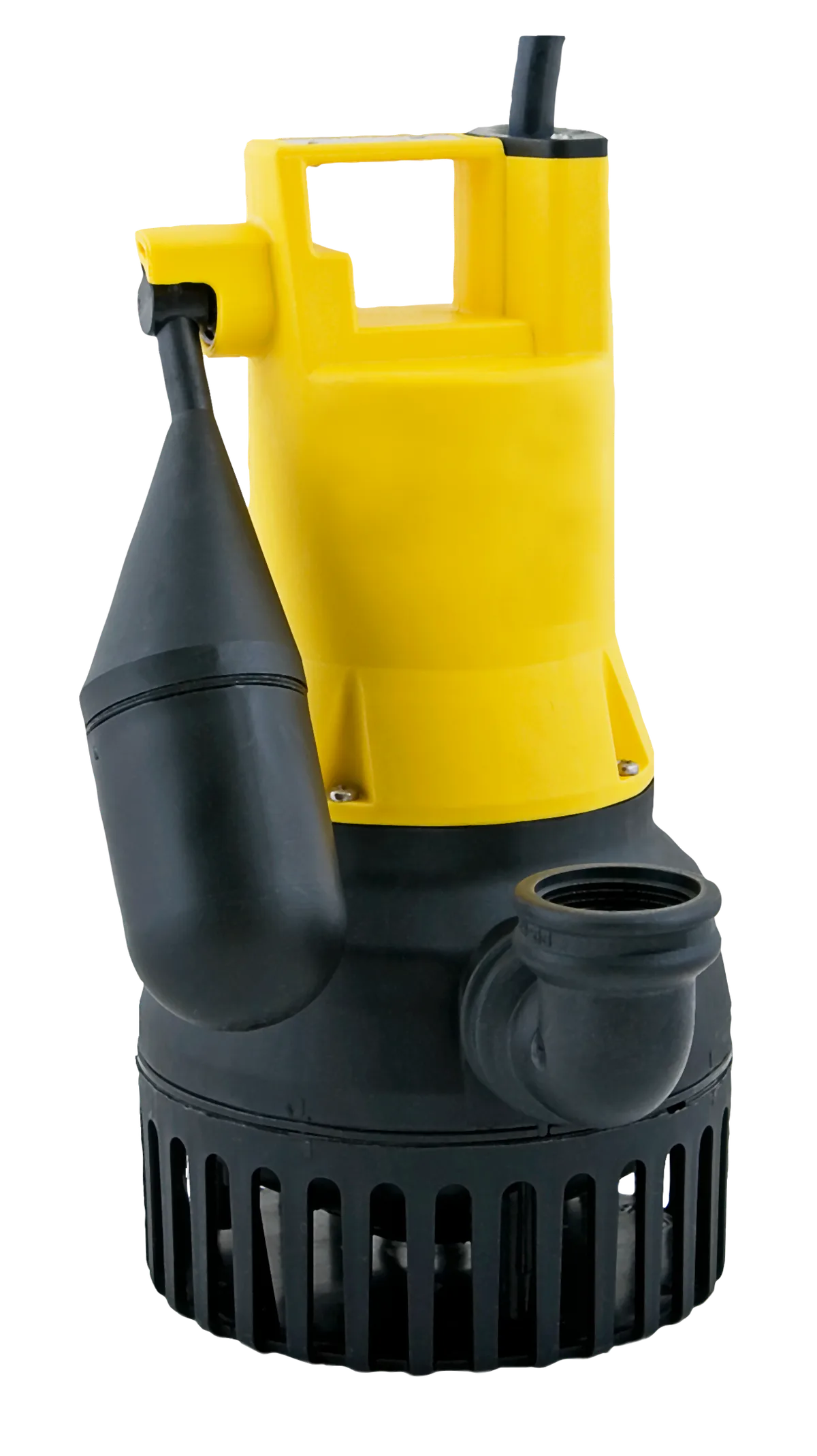
Image source: Wikimedia Commons / PumpExpert (CC BY-SA)
Calculating Total Dynamic Head for Your Discharge Line
Start by measuring vertical lift from the pit bottom to the discharge outlet. Add equivalent length for every elbow, check valve, and fitting in your system. Each 90-degree elbow adds roughly three feet of friction loss to straight pipe runs.
Use manufacturer friction tables for accurate conversions based on pipe diameter.
Horizontal runs matter just as much as vertical height. Every ten feet of level pipe creates resistance equal to one foot of vertical lift. Combine all these values to get your true TDH number.
This calculation prevents costly sizing mistakes before installation begins.
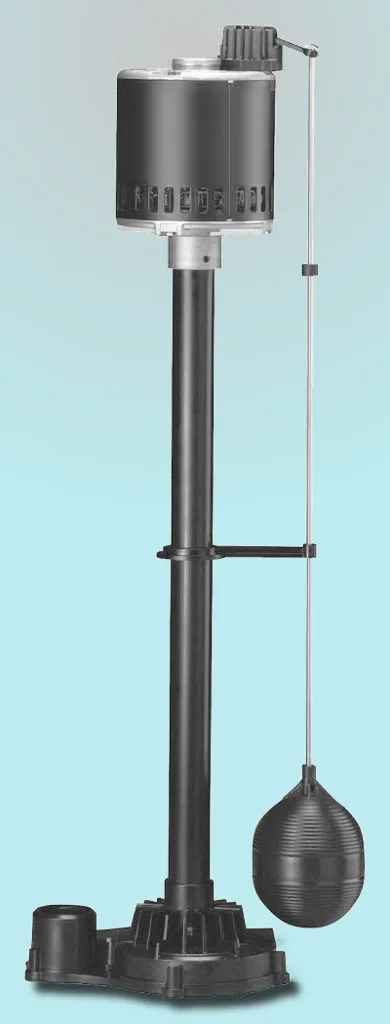
Image source: Wikimedia Commons / Own work (CC BY-SA)
Documenting these measurements helps when troubleshooting error codes later. Many issues stem from mismatched pumps rather than mechanical failure. Keep your TDH notes with warranty paperwork for future reference.
Accurate baseline data speeds up diagnosis significantly.
Decision Guide: When 1/3 HP Beats 1/2 HP (and Vice Versa)
Choose 1/3 HP if your TDH is under twelve feet and inflow is moderate. This size handles most finished basements with standard discharge lines efficiently. Short cycling risks increase dramatically when oversized units empty pits too quickly.
Float switches fail faster under rapid on-off stress cycles.
Select 1/2 HP only when TDH exceeds fifteen feet or horizontal runs surpass fifty feet. Higher head pressure demands extra torque to maintain adequate flow rates. Deep excavations and long yard discharges typically require this upgrade.
Verify electrical circuit capacity supports the increased amp draw first.
Consider 3/4 HP or 1 HP solely for commercial applications or extreme conditions. Residential systems rarely justify this expense or power consumption. Oversizing causes more problems than undersizing in typical homes.
Stick to the smallest unit that meets your calculated TDH requirements reliably.
| TDH Range | Recommended HP | Max Horizontal Run | Best Application |
|---|---|---|---|
| 0-10 ft | 1/3 HP | 30 ft | Standard basement |
| 10-15 ft | 1/3 or 1/2 HP | 50 ft | Moderate lift |
| 15-20 ft | 1/2 HP | 75 ft | Deep excavation |
| 20+ ft | 3/4 HP+ | 100+ ft | Commercial/Extreme |
Common Horsepower Mistakes That Burn Out Motors or Fail During Storms
Oversizing Risks: Short-Cycling and Switch Failure
Bigger pumps empty basins faster but trigger dangerous short-cycling behavior. Motors need minimum run times to dissipate heat buildup safely. Rapid cycling prevents proper cooling between starts.
Thermal overload protectors trip repeatedly until they eventually fail permanently.
Float switches wear out exponentially faster under high-frequency operation. Mechanical contacts arc and pit with each rapid engagement. Replacement costs add up quickly compared to right-sized equipment.
Proper tether adjustment helps but cannot fix fundamental sizing errors.
Undersizing Dangers: Running Dry and Overheating
Weak pumps struggle to overcome actual head pressure during peak inflow. They may run continuously without ever lowering water levels adequately. Continuous operation generates excessive heat beyond design tolerances.
Motor windings degrade prematurely under sustained thermal stress.
Running dry destroys seals and bearings within minutes. Water provides essential lubrication and cooling for submersible units. Low-flow conditions allow air pockets to form inside the housing.
Cavitation erosion damages impellers irreversibly over time. Always verify minimum flow requirements match your basin geometry.
Electrical and Plumbing Code Checks Before You Buy
National Electrical Code requires dedicated circuits for sump pumps as of 2026. Shared outlets risk tripping breakers during startup surges. GFCI protection is mandatory in damp locations per current safety standards.
Verify panel capacity before upgrading to higher horsepower models.
Local plumbing codes govern discharge destinations strictly. Some municipalities prohibit direct storm sewer connections entirely. Backflow prevention devices may be required for sanitary sewer tie-ins.
Check regional regulations before modifying existing piping configurations. Compliance prevents fines and insurance claim denials after flooding events.
Proper routine upkeep extends equipment lifespan regardless of size chosen. Annual testing reveals developing problems before catastrophic failure occurs. Clean intake screens and verify float movement seasonally.
Preventive maintenance beats emergency replacement every time.
Frequently Asked Questions
Can I replace a 1/3 HP pump with 1/2 HP?
You can physically swap them if voltage matches. However, higher horsepower often causes short-cycling in small basins. Verify your TDH actually requires the upgrade first.
Oversized pumps burn out switches and motors faster. Match the new unit to your calculated head pressure, not the old label.
Does higher horsepower mean longer pump life?
Not necessarily. Motors last longest when operating near their design sweet spot. Oversized units cycle too frequently and overheat.
Undersized pumps run continuously and strain components. Proper sizing based on TDH calculations determines longevity. Right-matched equipment outlasts mismatched horsepower extremes consistently.
How do I know if my pump is undersized?
Watch for continuous running during rain events without water level drop. Listen for straining sounds or unusual vibrations. Check if discharge flow appears weak or pulsing.
Measure actual amperage draw against nameplate ratings. Consistent max-load operation indicates insufficient capacity for your current head pressure.
Is 1/2 HP always better than 1/3 HP?
No. Most residential basements perform better with correctly sized 1/3 HP units. Higher horsepower only helps when TDH exceeds fifteen feet.
Unnecessary power increases electricity costs and wear. Calculate your specific head pressure requirements first. Choose the smallest pump that meets those needs reliably.