
A burning smell from your sump pump means you must cut power immediately. This odor signals overheating motor windings or electrical failure inside the unit. Knowing what to do if a sump pump makes a burning smell prevents basement fires and further damage.
Do not attempt to restart the system until you identify the root cause.
Manufacturer specifications indicate most residential pumps operate safely below 140°F before thermal protectors trip. The National Fire Protection Association warns that electrical equipment emitting smoke or burning odors poses an immediate ignition risk. We will walk through safe diagnosis steps to determine if repair is possible or replacement is necessary.
What to Do If a Sump Pump Makes a Burning Smell
Unplug the sump pump or turn off its circuit breaker immediately. A burning smell indicates active electrical failure or severe overheating. Never touch the pump or standing water while power remains connected.
Inspect for visible melting only after confirming zero voltage at the outlet. Replace the unit if insulation damage is confirmed.
Stop the Power Immediately: Safety First When You Smell Burning
Your first action must always be disconnecting electricity at the source. Water and compromised wiring create lethal shock hazards in basement environments. Locate the dedicated GFCI outlet or circuit breaker panel before approaching the sump pit.
Verify power is off using a non-contact voltage tester on both the cord and outlet.
Why Speed Matters With Electrical Odors
Burning insulation releases toxic fumes and can ignite surrounding materials within minutes. Thermal overload protectors sometimes fail to trip during locked rotor events. Aggregate reviews report many homeowners discover melted cords only after ignoring initial smells.
Treat every electrical odor as an active emergency rather than a minor nuisance.
Safe Inspection Protocols After Shutdown
Wait at least thirty minutes for internal components to cool completely. Wear rubber-soled shoes and insulated gloves when examining the pump housing. Check the discharge pipe and check valve for obstructions that caused strain.
Document any visible damage with photos before attempting further troubleshooting or calling professionals.
Diagnosing the Source: Motor Burnout vs. Mechanical Jams
Identifying whether the problem stems from electrical failure or mechanical blockage guides your next steps. Motor burnout typically produces acrid chemical odors from degraded winding insulation. Mechanical jams often create friction-based burning smells from seized bearings or rubbing impellers.
Distinguishing between these causes determines if cleaning suffices or full replacement is required.
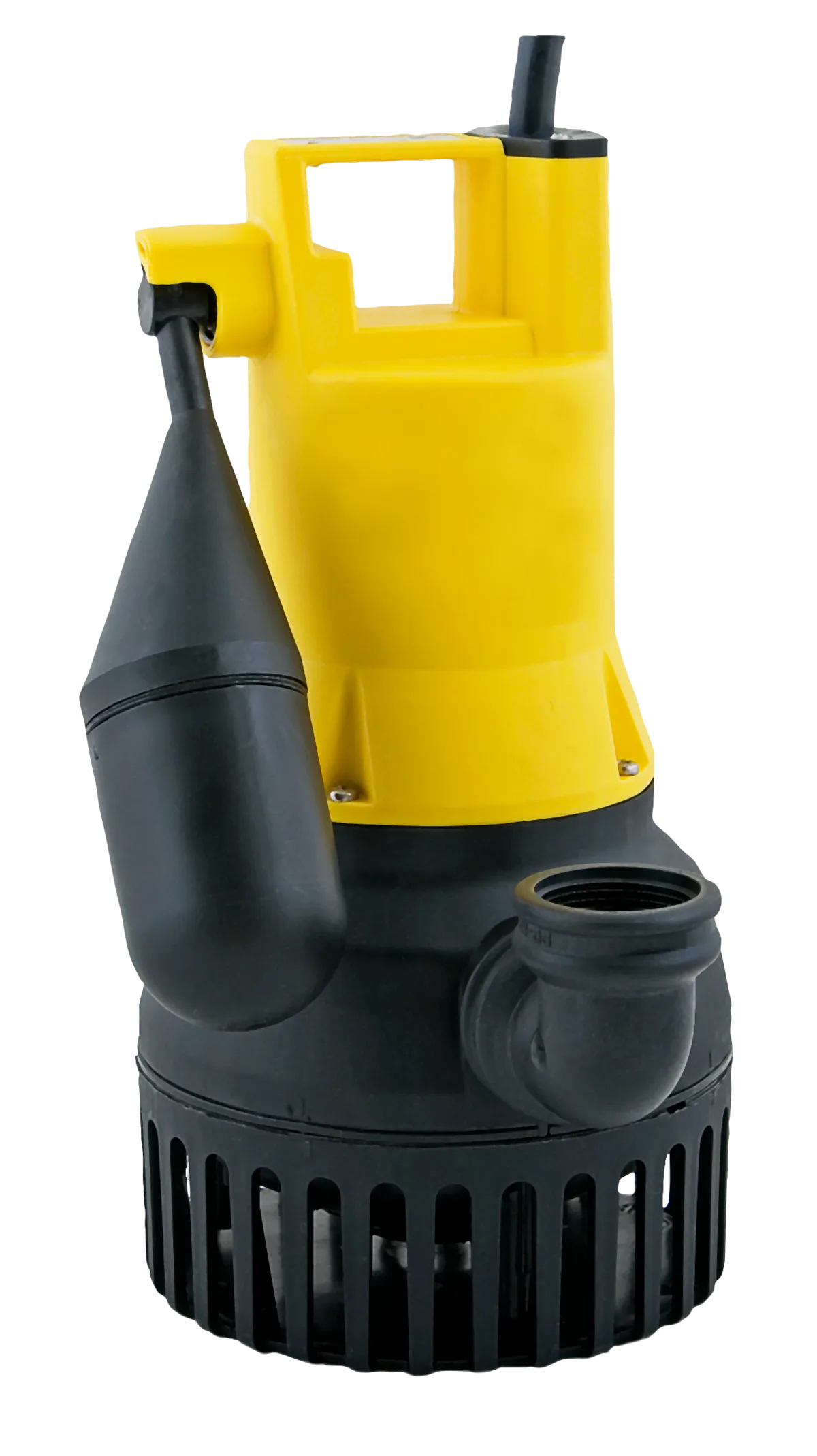
Image source: Wikimedia Commons / PumpExpert (CC BY-SA)
Signs of Motor Winding Failure
Test winding resistance with a multimeter set to ohms after ensuring complete power disconnection. Readings showing infinity or zero indicate open circuits or dead shorts respectively. Compare measured values against manufacturer specifications printed on the motor nameplate.
Any deviation beyond ten percent suggests irreversible internal damage requiring unit replacement.
Identifying Mechanical Obstructions
Remove the pump from the pit and inspect the intake screen for debris buildup. Manually rotate the impeller shaft to check for binding or grinding sensations. Clear any gravel, roots, or sediment preventing free rotation.
Test run the cleared pump briefly while monitoring amp draw against rated specifications. Persistent high current despite clearing obstructions confirms motor degradation. Just as you would troubleshoot appliance fault indicators systematically, methodical elimination isolates the true failure point.
Repair or Replace: Making the Right Call for Your Basement
Most sump pumps with confirmed burning smells require complete replacement rather than repair. Rewinding small fractional-horsepower motors rarely proves cost-effective compared to new units. Labor costs for professional rewinding often exceed the price of modern replacements.
Consider replacement mandatory if the pump exceeds seven years of service life.
Cost Comparison Table
| Factor | Professional Repair | Full Replacement |
|---|---|---|
| Parts Cost | $75 to $150 | $150 to $300 |
| Labor Hours | 2 to 4 hours | 1 to 2 hours |
| Warranty Coverage | 30 to 90 days | 1 to 5 years |
| Expected Lifespan | 1 to 3 years | 7 to 10 years |
When Limited Repairs Make Sense
Capacitor replacement may resolve issues if the motor tests healthy otherwise. Cleaning clogged intakes or freeing stuck float switches costs little and restores function. These fixes only apply when electrical testing confirms intact windings.
Always verify proper operation with extended test runs before considering the job complete. Understanding diagnostic code patterns helps distinguish simple fixes from terminal failures in other household systems too.
Selecting a Reliable Replacement Unit
Choose cast iron construction over thermoplastic for better heat dissipation in demanding applications. Match horsepower and flow ratings to your specific basin requirements. Ensure the new unit includes built-in thermal protection and proper UL listing.
Professional installation guarantees correct check valve orientation and discharge line sizing. Proper maintenance schedules prevent future emergencies just like routine appliance upkeep extends equipment longevity across your home.
Frequently Asked Questions About Sump Pump Burning Smells
Can I temporarily fix a burning sump pump?
No temporary fixes exist for confirmed motor burnout. Continuing operation risks electrical fire and complete basement flooding. Capacitor replacement or debris clearing only works if windings remain intact.
Always replace units showing insulation damage or persistent overheating symptoms. Safety must take priority over convenience during electrical failures.
How long should a sump pump last before failing?
Quality residential sump pumps typically last seven to ten years with proper maintenance. Units running continuously due to high water tables may fail sooner. Annual testing and quarterly inspections help predict end-of-life conditions.
Replace proactively at the eight-year mark to avoid emergency failures during storms.
Does homeowners insurance cover sump pump burnout?
Standard policies rarely cover mechanical breakdown or motor burnout itself. Water damage resulting from pump failure may have limited coverage depending on endorsements. Equipment breakdown riders specifically address mechanical and electrical failures.
Review your policy declarations page or contact your agent to confirm coverage details before emergencies occur.
Why does my new sump pump smell like burning?
New pumps may emit slight odors during initial break-in periods lasting under one hour. Persistent burning smells indicate defective units or improper installation. Verify correct voltage matching and adequate discharge line sizing immediately.
Return defective units under warranty rather than attempting field repairs. Manufacturing defects account for most early failures in quality brands.