
Figuring out how often should a sump pump turn on during rain depends entirely on your specific site conditions. There is no universal timer because groundwater infiltration rates vary wildly between properties. Your pump responds directly to water volume entering the pit, not a preset schedule.
Manufacturer specifications indicate most residential pumps cycle every two to eight minutes during steady moderate rainfall. The International Residential Code requires proper sizing to handle peak inflow without burning out. Understanding these variables helps you distinguish normal operation from mechanical failure.
how often should a sump pump turn on during rain
A sump pump typically cycles every two to eight minutes during moderate rain. Heavy downpours may trigger near continuous operation or thirty second intervals. Light drizzle might only activate the pump once per hour.
Frequency depends on soil type and water table depth. Properly sized equipment matches local groundwater infiltration rates.
The Decision Tree: Diagnosing Your Pump’s Behavior by Rainfall Intensity
Your pump's behavior tells a story about current weather and system health. Use this framework to evaluate if cycling patterns match actual conditions outside. Context matters more than counting individual activations per hour.
Moderate Steady Rainfall
If rain falls steadily at roughly one quarter inch per hour, expect cycles every three to six minutes. This assumes standard clay soil and functional perimeter drain tile. The float switch activates as water fills the pit to its set point.
Recovery time between cycles should exceed five minutes consistently.
This rhythm indicates balanced capacity between inflow and discharge rate. You can verify performance by timing three consecutive cycles with a stopwatch. Consistent intervals suggest healthy routine upkeep of your waterproofing system.
Erratic timing during steady rain warrants further investigation.
Heavy Downpour or Rapid Snowmelt
Intense precipitation exceeding half an inch per hour demands maximum pump output. Near continuous running or twenty second rest periods are normal here. The motor should still shut off briefly to prevent thermal overload damage.
Electronic sensors may trigger faster than mechanical floats in these scenarios.
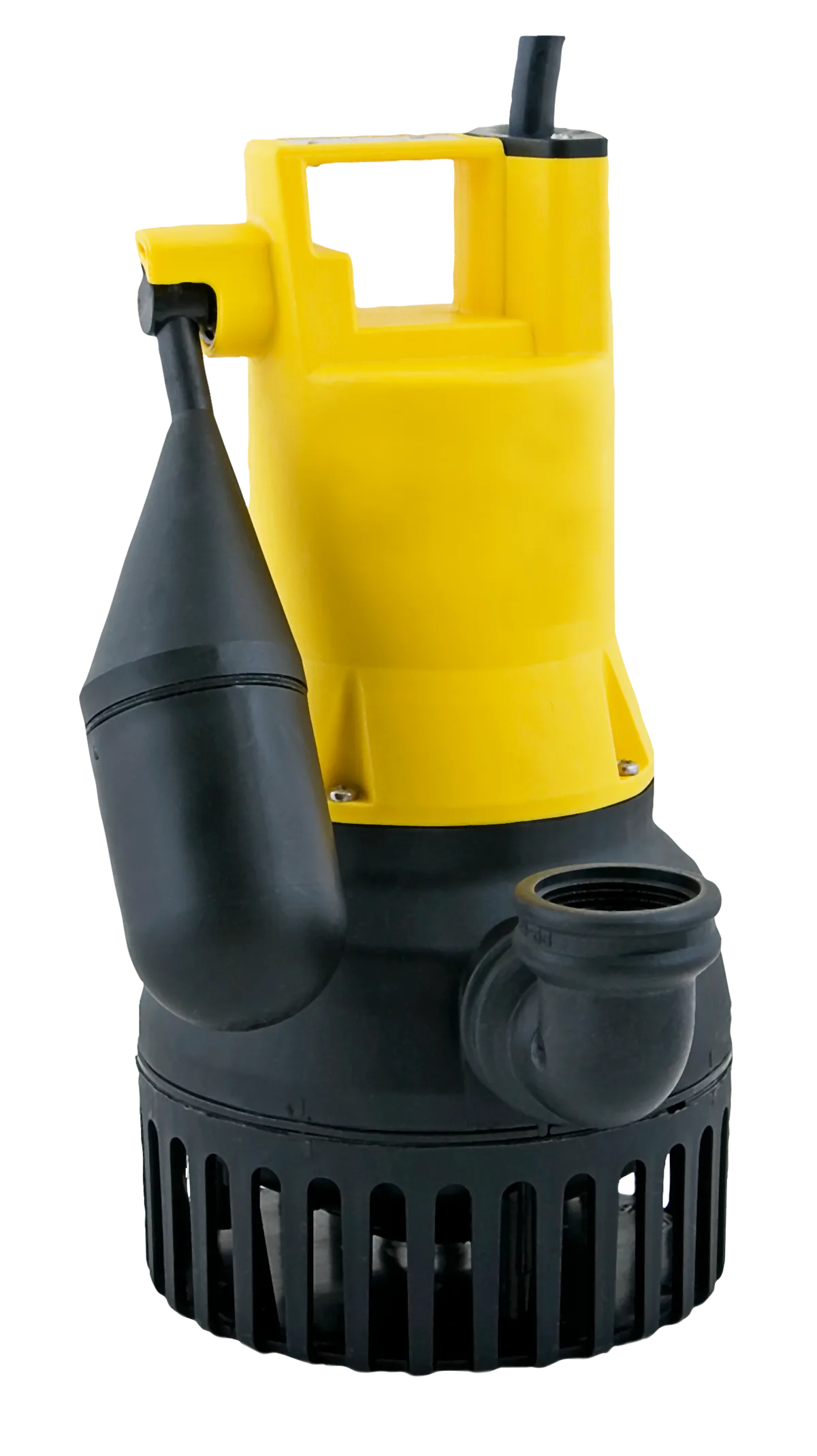
Image source: Wikimedia Commons / PumpExpert (CC BY-SA)
Continuous operation beyond four hours risks premature wear on older units. Check that discharge lines remain clear and unfrozen during extended runs. If the pump never shuts off despite slowing rain, suspect a stuck switch.
Refer to manufacturer guidelines for duty cycle limits specific to your model.
Light Drizzle or Post Storm Drainage
Light moisture may only trigger activation once every thirty to sixty minutes. Delayed response is normal as groundwater slowly migrates toward the pit. The system continues working long after surface rain stops.
This lag reflects subsurface hydrology rather than equipment malfunction.
Sudden silence during active light rain deserves attention though. Verify power supply and test manual override immediately. A clogged intake screen could also restrict flow artificially.
Regular inspection prevents small issues from becoming basement floods.
Troubleshooting Abnormal Cycles: Short Cycling, Continuous Running, and Silence
Abnormal patterns signal specific mechanical or environmental problems. Identifying the root cause prevents costly water damage or unnecessary part replacement. Most issues stem from switch settings, valve failures, or sizing errors.
Rapid Short Cycling Under Thirty Seconds
Short cycling means the pump turns on and off repeatedly in under thirty seconds. This usually points to incorrect float switch hysteresis or tether length. The differential between activation and shutoff points is too narrow.
Adjusting the tether or replacing the switch resolves most cases.
A failing check valve causes similar symptoms through backflow. Water drains back into the pit immediately after each cycle. Listen for loud clunking sounds when the pump stops.
Replacing the valve restores proper one way flow and extends motor life. Learn more about diagnostic codes if electrical faults mimic mechanical short cycling.
Continuous Running Without Shutoff
Nonstop operation during moderate rain suggests undersized capacity or high water table intrusion. The pump cannot overcome incoming groundwater volume fast enough. Verify horsepower and gallons per hour ratings against actual pit dimensions.
Upgrading to higher capacity may be necessary for chronic issues.
Stuck float switches also cause perpetual running even when dry. Manually lift the float to confirm free movement along its track. Debris or mineral buildup frequently jams mechanical components.
Cleaning the pit annually prevents sediment related failures according to manufacturer maintenance standards.
Complete Silence During Active Rainfall
No activation during wet conditions indicates power loss or switch failure first. Test the GFCI outlet and dedicated circuit breaker immediately. Moisture intrusion often trips ground fault protection unexpectedly.
Resetting may restore function temporarily but investigate the underlying leak.
Mechanical float switches can seize in lowered position over time. Electronic water sensors may fail due to corrosion or wiring faults. Both require prompt replacement to maintain flood protection.
Never assume silence equals safety during storm events. Backup battery systems provide critical redundancy during primary pump failures.
Sump Pump Cycling FAQs
Why does my sump pump run every minute?
Running every minute typically indicates short cycling from improper float adjustment. The activation and shutoff points sit too close together vertically. Adjust the tether length to create adequate hysteresis between cycles.
A worn check valve allowing backflow produces identical symptoms requiring replacement.
Is it normal for a sump pump to run constantly during heavy rain?
Yes, continuous operation is expected during intense precipitation exceeding half an inch hourly. The pump must match extreme groundwater infiltration rates to prevent flooding. Monitor motor temperature and ensure discharge lines remain unobstructed.
Extended runs beyond manufacturer duty cycle ratings risk thermal damage.
How long should a sump pump stay off between cycles?
Recovery intervals should last five to fifteen minutes during moderate rainfall conditions. Shorter rest periods suggest excessive inflow or mechanical issues. Longer gaps indicate proper sizing relative to current groundwater levels.
Track timing trends across seasons to establish your property baseline.
What causes a sump pump to cycle too frequently?
Frequent cycling stems from misadjusted float switches or failed check valves primarily. Incorrect tether length creates insufficient vertical travel between activation points. Backflow through damaged valves refills the pit instantly after each discharge.
Both issues accelerate motor wear and increase energy consumption significantly.
Image source: Wikimedia Commons / United States Department of Energy
Should I be worried if my sump pump runs every 30 seconds?
Yes, thirty second intervals signal dangerous short cycling that burns out motors quickly. This rapid pace usually means a stuck float switch or broken check valve. Immediate inspection prevents complete failure during peak storm events.
Adjusting the switch differential or replacing worn components restores safe operation timelines.
Does sump pump frequency change with seasons?
Seasonal shifts dramatically alter groundwater levels and pump activation rates. Spring thaw and heavy autumn rains typically increase cycling frequency substantially. Summer droughts may reduce operation to rare maintenance cycles only.
Monitoring these seasonal patterns helps distinguish normal variation from emerging mechanical problems requiring professional attention.