
how much does sump pump installation cost
If you've ever stood in a flooded basement wondering why your sump pump didn't keep up, you already know the real question isn't just price, it's what drives it. Most homeowners asking "how much does sump pump installation cost" are really trying to figure out if they're getting a fair quote for their specific situation.
The range is wide because every install depends on your home's setup. Replacing an old pump in an existing pit might run you $300 to $1,500, according to industry data as of 2026. New installations in unfinished spaces typically land between $1,000 and $3,000.
Let's break down exactly why your number looks nothing like your neighbor's.
how much does sump pump installation cost
You can expect to pay $300-$3,000 for most sump pump installations as of 2026.
Basic replacement costs $300-$1,500.
New construction installs typically run $1,000-$3,000.
Full interior drainage systems add $5,000-$15,000.
Labor costs vary by region.
Permit fees range from $50-$200.
Emergency service calls often double the base price.
Backup battery systems add $500-$1,200.
The Main Cost Drivers (And How They Multiply)
Think of sump pump installation cost like a formula with several variables. Here's how they stack up.
Existing infrastructure is the biggest split. If you already have a sump pit, you're looking at a simple swap, usually $300-$800 for parts and labor. No pit means the contractor has to break concrete, dig a hole, install a liner, and patch everything back up.
That alone adds $400-$600 before you even buy a pump.
Pump type matters next. A basic pedestal pump costs $100-$300 but sits above floor level. Submersible models run $200-$600 and sit inside the pit, they're quieter and handle debris better.
Battery backup systems add another $500-$1,200, which many homeowners in flood-prone areas consider essential.
Basement accessibility affects labor time. Finished basements mean cutting through flooring and potentially removing walls. Unfinished spaces let pros work quickly.
Each finished square foot adds roughly $10-$15 to your labor bill.
Your location plays a role too. Urban areas with higher labor rates (think Boston or San Francisco) can cost double what rural markets charge. A standard 10-hour install might run $1,200 in Minnesota but $2,400 in Massachusetts.
These factors don't just add up, they multiply. A finished basement in Boston with a new submersible pump and battery backup? That combo easily hits $4,000-$5,000.
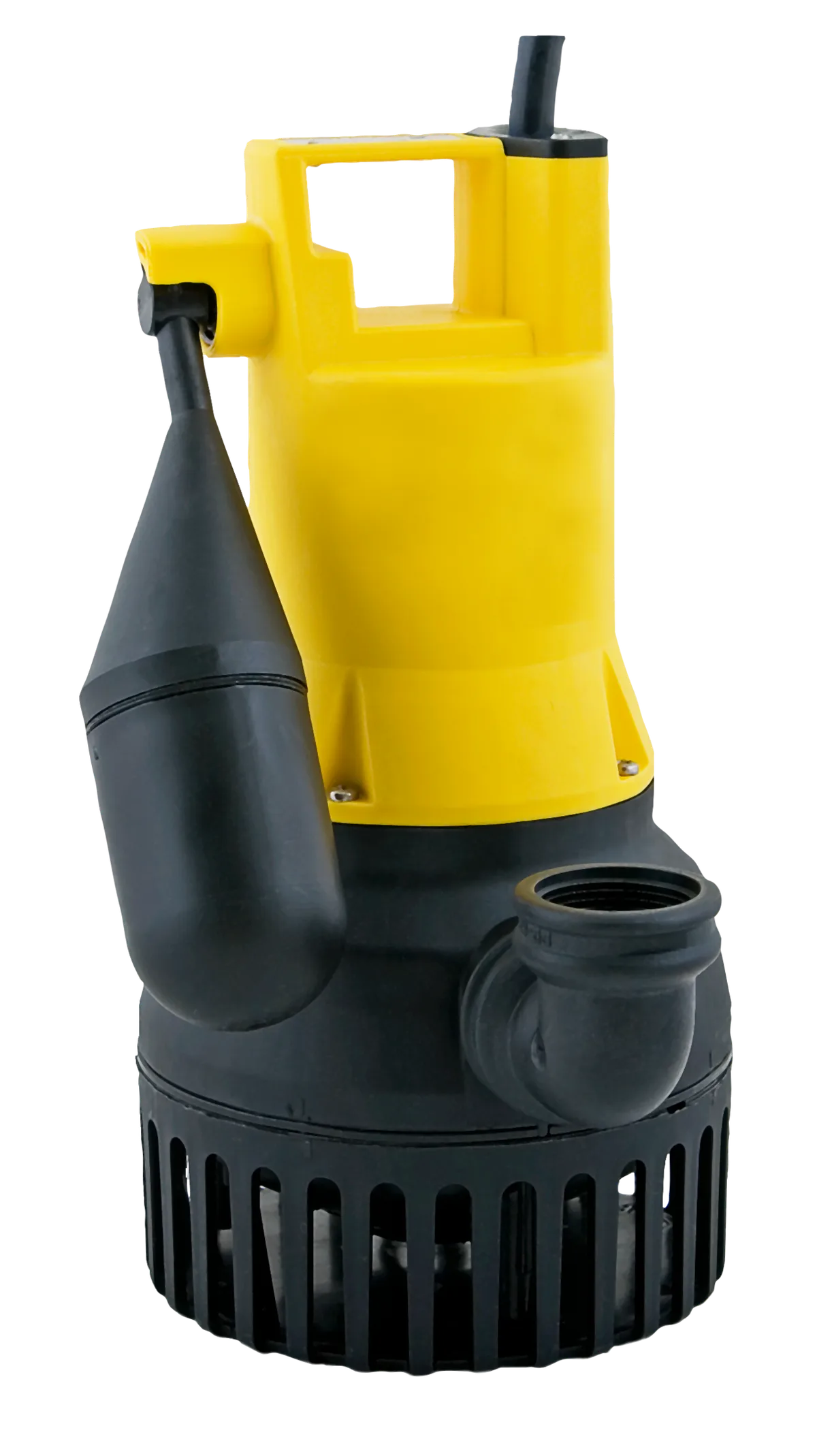
Image source: Wikimedia Commons / PumpExpert (CC BY-SA)
Replacement vs. New Install: Different Price Tags
Here's how the two main scenarios break down in practice.
Replacement assumes you're swapping out an existing pump in an existing pit. Most homeowners fall here. You're paying for:
- Labor (1-3 hours, $150-$450)
- New pump ($100-$600 depending on type)
- Check valve and fittings ($50-$100)
- Disposal of old unit ($25-$50)
Total: $300-$1,200 for most jobs.
New installation means starting from scratch. You need:
- Excavation of sump pit ($300-$800)
- Sump basin and lid ($100-$300)
- Gravel base and bedding ($100-$200)
- Pump and installation ($400-$800)
- Concrete patching and sealing ($200-$500)
- Electrical work for dedicated circuit ($100-$300)
Total: $1,000-$3,000 typically. But this doesn't include complex situations like tying into existing drainage or running long discharge lines.
One key distinction: replacement is predictable. New installs often uncover hidden problems like poor soil drainage or inadequate electrical access. Budget an extra $500-$1,000 buffer for surprises.
Many homeowners discover their basement has multiple low spots that need separate pits, a $1,500 job can become $3,500 fast.
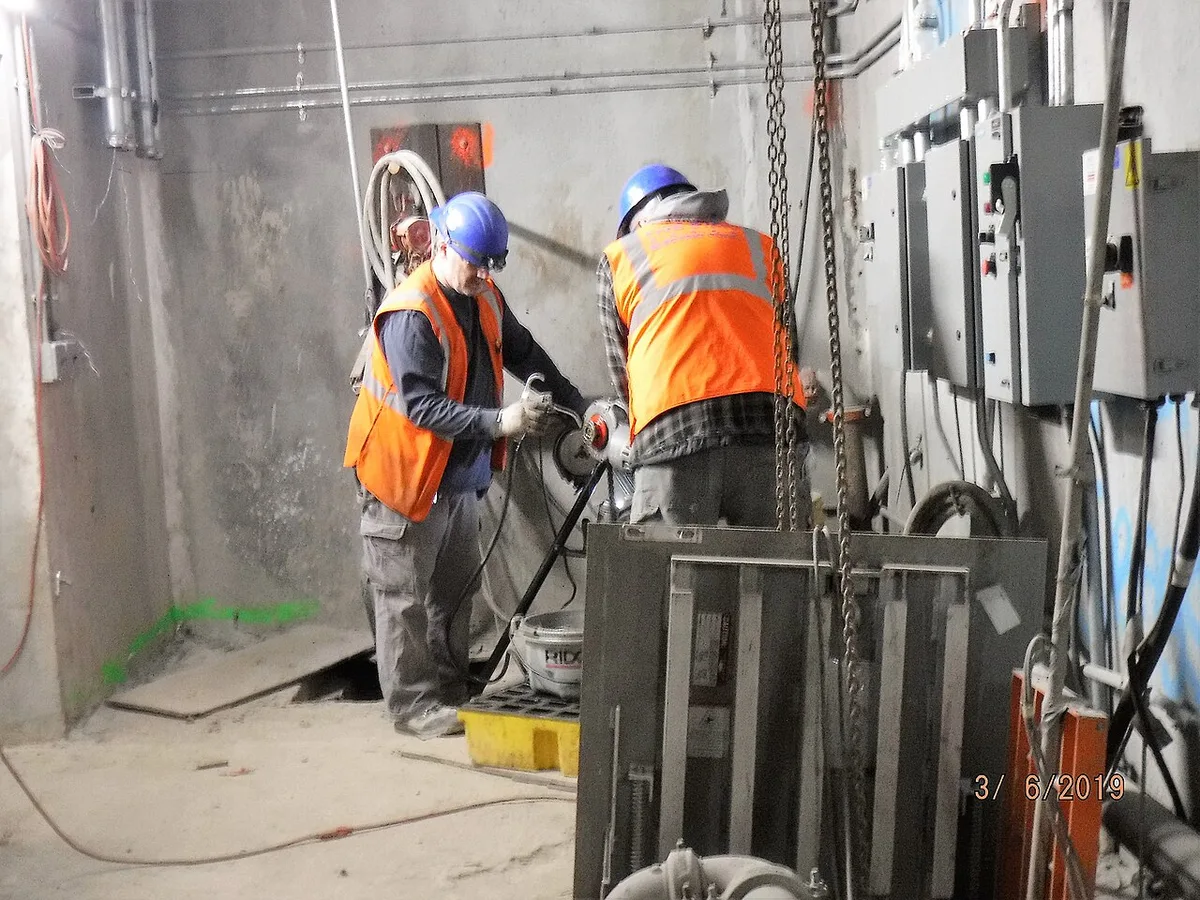
Image source: Wikimedia Commons / MTA Capital Construction Mega Projects (CC BY)
Real Costs by Pump Type (Pedestal, Submersible, Backup)
Not all pumps cost the same to buy or install. Here's what industry data shows.
| Pump Type | Purchase Price | Installation Time | Total Installed Cost | Best For |
|---|---|---|---|---|
| Pedestal | $100-$300 | 1-2 hours | $300-$700 | Budget installs, accessible pits |
| Submersible | $200-$600 | 2-4 hours | $500-$1,200 | Quiet operation, debris-heavy water |
| Battery Backup | $400-$800 | 1-3 hours add-on | $600-$1,200 extra | Power outage protection |
| Water-Powered | $500-$1,000 | 2-4 hours | $800-$1,800 extra | No electricity needed, high water tables |
Image source: Wikimedia Commons / MTA Capital Construction Mega Projects (CC BY)
Pedestal pumps remain the cheapest option. They're easy to service since the motor sits above the pit. But they're noisy and prone to overheating if water levels drop too low.
Most last 5-7 years with regular maintenance.
Submersible pumps cost more upfront but typically last 8-10 years. They handle solids better and run cooler. The tradeoff is harder access for repairs, you pull the whole unit out of the pit.
Installers charge a bit more for this type because sealing the discharge pipe properly takes skill.
Battery backup systems aren't standalone, they work alongside your primary pump. When power fails, a fully charged backup kicks in automatically. Most homeowners in flood zones consider this non-negotiable.
The added complexity raises installation time by 1-3 hours.
Water-powered backups eliminate battery replacement concerns entirely. They use municipal water pressure to eject sump water. But they require a water supply line and waste water, you might use 2-3 gallons of clean water for every gallon pumped out.
Not everyone likes that tradeoff.
FAQs About Sump Pump Installation Pricing
Does homeowners insurance cover sump pump installation?
Standard policies don't cover proactive sump pump installation. However, some insurers offer up to $1,000 for backup sump pump systems if you have an ordinance or law endorsement. Check with your provider about available discounts for flood mitigation measures.
Many companies in high-risk zones offer 5-10% premium reductions for qualifying systems installed by licensed contractors. Always get documentation of installation compliance.
How much should I expect to pay per square foot?
For new construction, expect roughly $4-$12 per finished basement square foot when total installation runs $1,200-$3,600 across a typical 300-square-foot space. Replacement jobs cost less per square foot since excavation is already complete. This metric helps compare quotes: if a contractor charges $15 per square foot for replacement, you're likely overpaying.
Verify what's included in their pricing before signing.
Do I need a permit for sump pump installation?
Permit requirements vary by municipality. Many areas require permits for new installations involving electrical work or interior drainage modifications. Simple replacements usually don't need permits, but check local codes.
Improper installations without permits can void warranties and complicate home sales. Contact your city building department directly, they can clarify requirements for your specific address and situation quickly.
Can I install a sump pump myself to save money?
Replacing an existing pump is doable for experienced DIYers. You'll need basic plumbing and electrical knowledge. However, new installations require concrete cutting, proper pit depth calculation, and electrical work that may need professional inspection.
If your area requires permits, unlicensed work can result in fines. For anything beyond simple replacement, professional installation protects your investment and ensures code compliance.
Image source: Wikimedia Commons / MTA Capital Construction Mega Projects (CC BY)