
Your sump pump shouldn't sound like a coffee grinder running full blast. If you've ever heard that harsh, grinding noise while the pump kicks on or cycles off, you're dealing with something more serious than a little dirt or a misaligned pipe.
That sound is rarely "normal wear and tear." It's a warning sign telling you one or more internal components are fighting each other, whether it's a seized bearing, a broken impeller, or debris jamming the works. Ignoring it usually means a full replacement down the line, and possibly a flooded basement.
As of 2026, most modern submersible pumps are built to last 6 to 10 years. A grinding noise often means that lifespan is about to get cut short, or worse, the failure happens mid-storm.
Let’s get into what’s actually rattling around in your sump pit so you can figure out whether it’s a quick fix or time to start shopping for replacements.
## why is my sump pump making a grinding noise
A grinding noise means metal parts inside your pump are rubbing or clashing. Common causes include broken impellers, worn bearings, or debris trapped in the housing. The pump may still turn on, but continued use risks total motor failure.
This issue typically stems from one of three problems: mechanical damage, lack of maintenance, or age-related component breakdown.
What’s Causing That Grinding Noise?
There are several possible culprits behind that unsettling grind. Each has a distinct sound profile, which makes diagnosis a little easier once you know what to listen for.
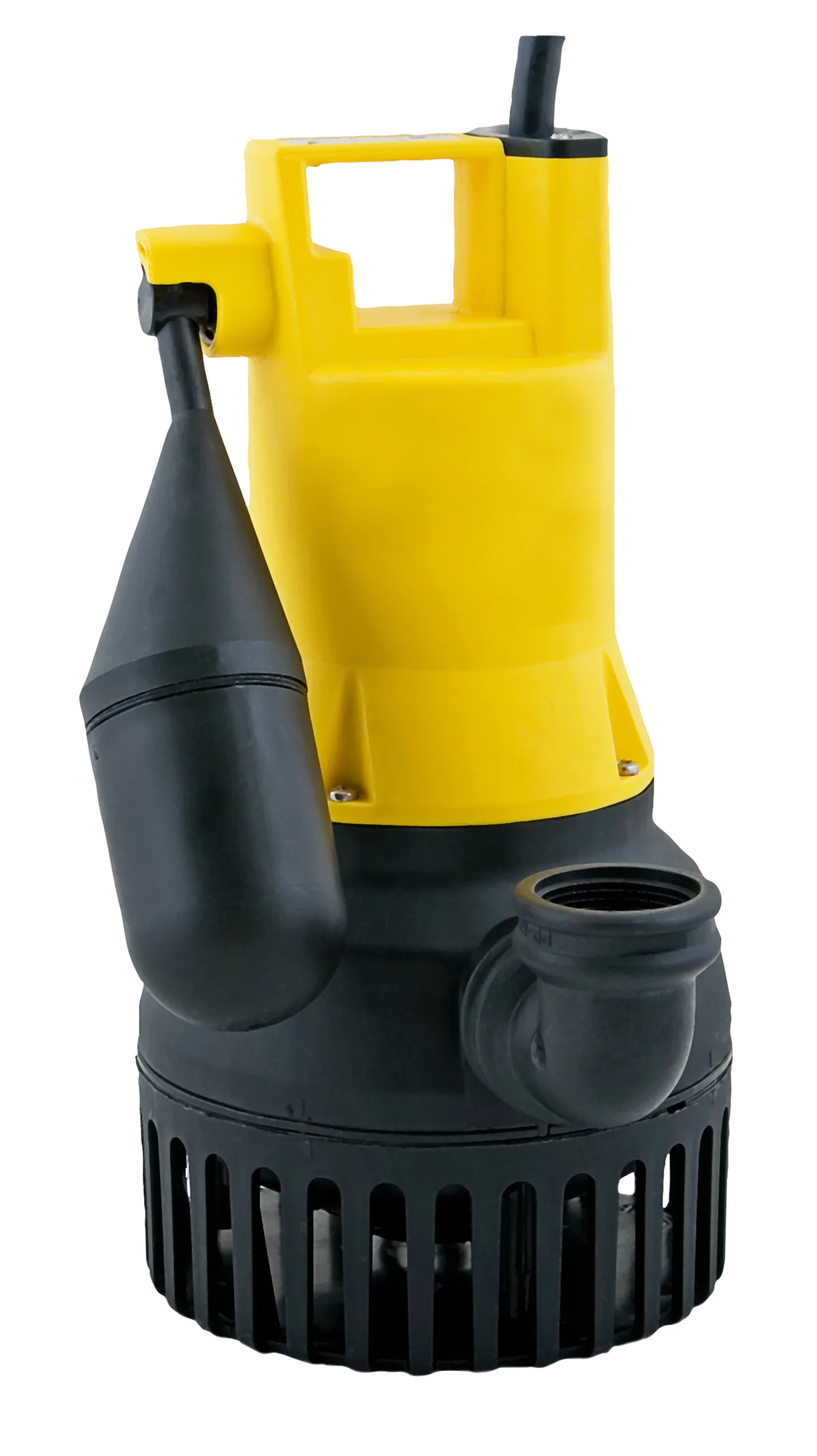
Image source: Wikimedia Commons / PumpExpert (CC BY-SA)
Broken Impeller
The impeller is the spinning part that pushes water out through the discharge pipe. When it breaks or gets clogged with debris like gravel, lint, or small toys, the metal edges can scrape against the pump housing, creating a loud, metallic grinding noise.
This often happens in older systems where the impeller has corroded over time. In newer pumps, it's usually caused by foreign objects falling into the basin during installation or heavy rainfall.
Worn-Out Bearings
Bearings allow the motor shaft to spin smoothly. Over time, they wear down due to constant exposure to moisture and friction. Once they start deteriorating, expect a high-pitched whine that turns into a low-frequency grind.
Bearings aren’t user-serviceable on most residential pumps. If they’re gone bad, you’re looking at either replacing the entire unit or hiring a licensed plumber to rebuild the motor, depending on warranty coverage and pump type.
Foreign Debris Jamming the Housing
Sometimes the issue isn’t internal failure but external junk finding its way inside the pump. Leaves, twigs, hair clippings, or even small rodents can get lodged between the impeller and the pump casing.
A clogged pump forces the motor to work harder, leading to overheating, reduced efficiency, and yes, grinding sounds. Cleaning out the basin regularly helps prevent this scenario.
How to Diagnose the Problem Yourself
Before calling a pro, let’s walk through a simple process you can follow at home. This approach isolates the root cause quickly without risking injury or further damage.
| Step | Action |
|---|---|
| 1 | Turn off power to the pump via circuit breaker |
| 2 | Remove the pump from the basin carefully |
| 3 | Inspect the exterior for visible cracks or corrosion |
| 4 | Check the impeller by manually rotating it |
| 5 | Listen closely for grinding when powering back on briefly |
If the impeller won't budge freely, there’s likely something wedged inside. You might also detect loose parts rattling around when shaking the pump gently, another indicator of mechanical damage.
For ongoing reference, keeping routine maintenance logs can help track performance changes over time. Regular checks like these make future diagnostics much faster and safer.
Quick Fixes vs. When to Call a Pro
Not every grinding sound requires immediate replacement. But distinguishing between temporary fixes and permanent failures saves both money and stress.
Image source: Wikimedia Commons / Eric Jones (CC BY-SA)
DIY-Friendly Repairs
These tasks don’t involve opening sealed motors or rewiring anything risky:
- Clearing visible blockages from the intake screen
- Tightening loose discharge pipes or fittings
- Replacing worn-out check valves (which prevent backflow surges)
Just remember: always disconnect power before handling electrical components submerged in water. Safety first.
Leave It Alone If…
If you hear grinding accompanied by burning smells, sparks, or visible smoke, stop using the pump immediately. These symptoms suggest major motor failure or short circuits, situations best left untouched until a certified technician arrives.
Professional plumbers carry specialized tools for removing seized units and testing underground lines for hidden leaks. They’ll also verify proper grounding per National Electrical Code requirements, especially important in damp basements where shock hazards lurk.
Sump Pump Repair and Replacement Costs
Understanding pricing trends helps set realistic expectations when budgeting for repairs or upgrades.
| Component | Average Cost | Lifespan Expectation |
|---|---|---|
| Check Valve | $25–$75 | 5+ years |
| Discharge Pipe | $100–$300 | 10+ years |
| Full Pump Replacement | $300–$1,500 | 6–10 years |
| Professional Installation | $200–$600 | Varies |
Prices vary widely based on brand, horsepower rating, and local labor rates. For example, a basic 1/3 HP pedestal model runs cheaper upfront but tends to fail sooner compared to higher-end submersibles rated for continuous duty cycles.
Budget accordingly if frequent outages plague your area, investing in a reliable backup battery system adds peace of mind during extended power outages.
Frequently Asked Questions
### Can I temporarily bypass a noisy sump pump?
No safe method exists for bypassing a malfunctioning pump long-term. Doing so risks flooding and electrical hazards.
### Is grinding normal during startup?
Startup sounds should be smooth and quiet within seconds. Any grinding indicates underlying issues needing attention.
### Should I lubricate moving parts myself?
Most residential pumps are sealed units requiring no field lubrication. Adding oil or grease externally can cause more harm than good.
### How often should I clean my sump basin?
Inspect quarterly for debris accumulation. Deep cleans twice yearly keep things running quietly and efficiently.
### Does cold weather affect pump operation?
Yes, freezing temperatures can lock up discharge pipes or thicken oil in older motors, both leading to grinding noises.
### When should I replace rather than repair?
Replace if the pump exceeds seven years old with recurring mechanical problems or fails under warranty. Continued repairs become costlier than a new model.