
Can a sump pump be used for a basement shower? It depends on your setup, local code, and how much you're willing to modify your drainage plan. A functional sump basin with proper check valves and venting can move shower water, especially as a retrofit, but it isn't always the ideal or code-approved choice, especially where sewage ejector pumps and dedicated waste lines are expected.
Basement showers create gray water that needs reliable drainage. A standard 1/3 HP submersible pump can handle that flow, but only if your sump system was designed to accept wastewater inputs. As of 2026, the International Residential Code permits sump-to-shower connections when separated by properly installed check valves and vented per plumbing standards.
That keeps things legal and working long-term.
## can a sump pump be used for a basement shower
Yes, a sump pump can move water from a basement shower, but it requires proper installation. The pump must connect to a vented sump basin with a check valve between it and the shower drain. Local codes often require a dedicated waste line, so check with your inspector before proceeding.
This setup works best in unfinished or retrofit basements. Finished bathrooms usually need a dedicated ejector pump, not a sump pump.
What Makes a Sump Pump Suitable for Shower Drainage
Not all sump systems qualify. You need a vented basin at least 24 inches deep with a secure lid. The pump should have enough head pressure to overcome the vertical rise from floor drain to discharge.
A dedicated check valve prevents backflow into the shower. Install a shut-off valve on the discharge line so you can isolate the shower connection later.
| Requirement | Minimum | Recommended |
|---|---|---|
| Basin Depth | 20 inches | 24+ inches |
| Pump Horsepower | 1/3 HP | 1/2 HP |
| Discharge Pipe | 1.5 inch PVC | 2 inch PVC |
The image below shows how proper venting and check valve placement look in practice.
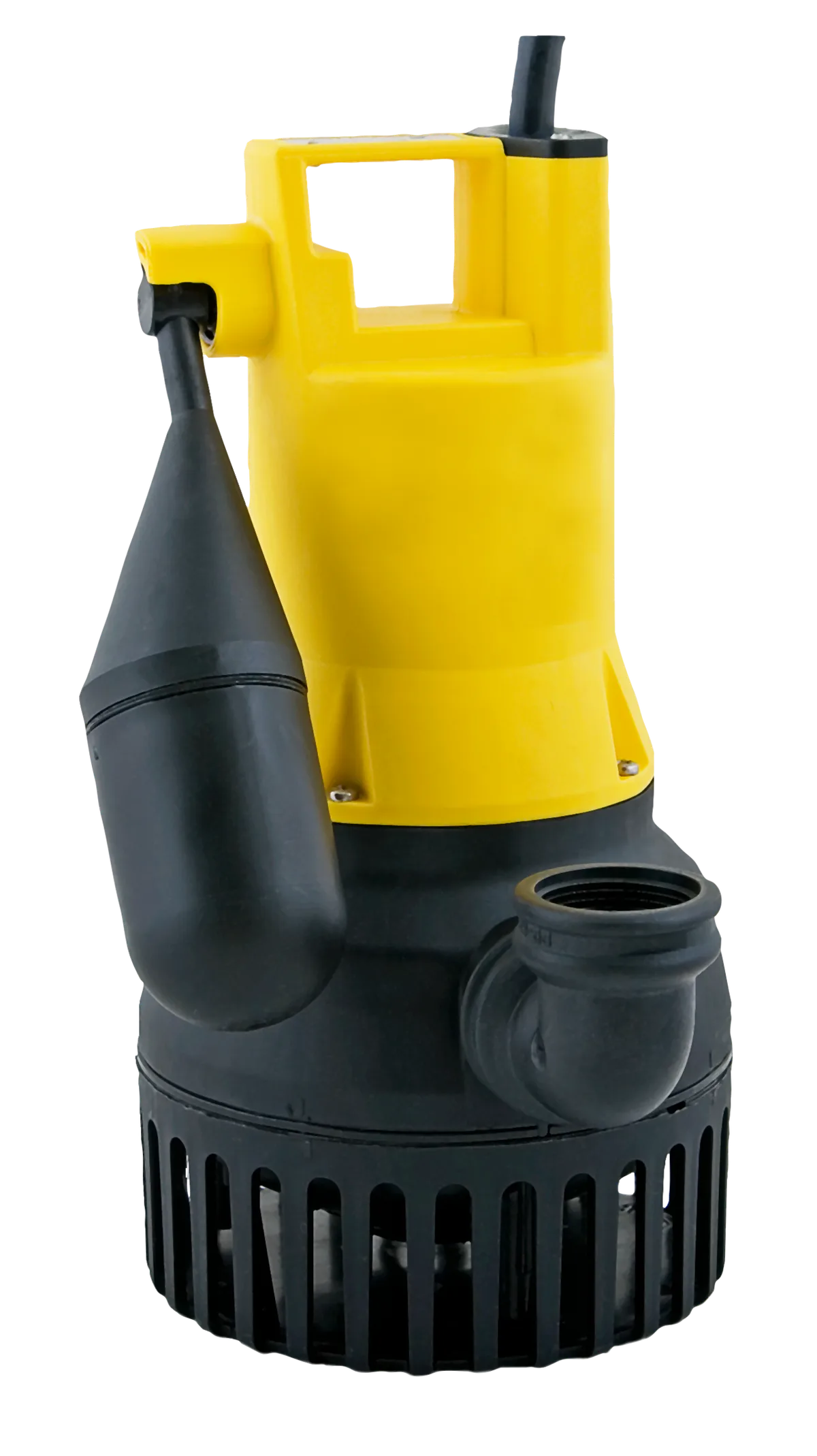
Image source: Wikimedia Commons / PumpExpert (CC BY-SA)
This layout keeps your shower draining even if the main sewer line backs up.
Step-by-Step: Installing a Sump Pump for Basement Shower
Start with a sump basin already connected to your shower drain via a wye fitting. Run a 1.5-inch line from the shower P-trap to the side of the basin, sloped at 1/4 inch per foot.
Next, install a check valve on the discharge pipe. Then route the pump's power cord through a grommet in the lid, sealing around it with waterproof caulk.
Image source: Wikimedia Commons / United States Gauge Co
Test the trap seal by pouring water into the shower. If you smell sewer gas, add a trap primer or re-plumb with a separate vent line.
Code Compliance, Safety Risks, and Legal Considerations
Many jurisdictions require basement bathrooms to connect to a municipal sewer line or a permitted septic system. Connecting a shower directly to a sump pump may violate plumbing codes, especially if the system discharges into storm drains.
Per the International Residential Code P3109, sump discharge must terminate above grade and not connect to sanitary sewers. Some inspectors allow this setup for laundry or dehumidifier drains, but rarely for showers.
A ground fault circuit interrupter protected outlet powers the pump. That GFCI outlet should be dedicated to the sump pump only, keeping it separate from lighting or bathroom circuits.
Sump Pump vs. Dedicated Shower Drain Solutions
A sewage grinder pump handles solids and soap scum. It costs more upfront, but handles everything from toilets to tubs. For a full bathroom addition, this is usually the right path.
But if you're retrofitting an existing shower in an unfinished basement, using your current sump system saves thousands in trenching and repiping. The tradeoff is ongoing maintenance and risk of clogging.
Image source: Wikimedia Commons / Collywolly (CC BY-SA)
The grinder pump handles higher volume and debris-laden wastewater. It also connects to household plumbing, making it suitable for full bathrooms. But installation complexity increases significantly.
Cost Analysis: When Sump-to-Shower Makes Financial Sense
Retrofitting an existing sump system typically costs between $300 and $800. That covers a new check valve, PVC piping, and basic electrical work for the GFCI outlet. You avoid expensive concrete breaking or trenching required for new sewer lines.
Installing a dedicated sewage ejector pump runs $1,200 to $2,500 on average. This higher price includes the specialized pump unit, basin excavation, and complex venting requirements. Labor alone often exceeds material costs for these full-scale installations.
The budget-friendly route makes sense only if your current sump is oversized and code-compliant. Otherwise, you risk spending double later when inspectors flag violations during a future home sale. Always get a rough-in inspection before closing up walls.
Frequently Asked Questions
Can I drain my shower into an existing sump pit?
You can only do this if local plumbing codes explicitly allow gray water discharge through sump systems. Most jurisdictions prohibit mixing shower water with groundwater drainage due to contamination risks. Check with your building department first to avoid costly rework or fines later.
Do I need a special pump for shower water?
Standard sump pumps handle clean groundwater but clog easily with soap scum and hair. A utility pump or effluent pump handles light gray water better than a standard sump model. These units feature larger impeller passages designed specifically for wastewater debris without jamming.
Will a sump pump cause sewer gas smells?
Sewer gas enters when the P-trap dries out from infrequent use or improper venting. Installing a trap primer valve keeps water in the seal automatically between showers. Proper venting also prevents negative pressure from sucking the trap dry during pump cycles.
Is it legal to connect a shower to a sump pump?
Legality varies significantly by municipality and depends entirely on your discharge destination. Discharging gray water to storm drains or yard areas violates federal Clean Water Act provisions in most states. Only approved septic fields or sanitary sewers typically accept bathroom wastewater legally.
Final Decision Guide: Choosing Your Basement Shower Drain Strategy
Choose the sump retrofit only if you have a vented basin, adequate horsepower, and explicit code approval. This path saves money upfront but demands rigorous maintenance and carries long-term compliance risk. It works best for occasional guest bathrooms rather than daily-use family showers.
Opt for a dedicated sewage ejector pump if you want a permanent, code-compliant solution that adds real property value. The higher initial investment protects against odors, backups, and inspection failures down the road. This is the only safe choice for primary bathrooms or rental properties where reliability matters most.