
If your basement is flooding and there's no sump pump yet, you're probably wondering how to install a sump pump in a house without one. This is actually a very common scenario.
Most older homes were built without basements designed for modern water management. You'll need to create a sump pit first, which requires careful planning. Per the International Residential Code, any new sump basin must have a secure, gas-tight lid to prevent radon infiltration.
Now let's figure out whether your situation requires a brand-new pit or just a pump addition.
Do You Actually Need a New Sump Pit or Just a Pump?
Here's the first critical decision point. Do you have an existing floor drain or interior drain system leading to a low spot? If yes, you might only need to place a pump nearby.
If your basement has no drainage infrastructure whatsoever, you'll need to create a dedicated sump pit from scratch.
The key question is: can you route groundwater or interior drains to a single collection point? If you can, then installing a pump in that location may suffice. However, if water is entering randomly across multiple areas, a central sump basin connected to a perimeter drain system becomes necessary for effective long-term protection.
Many homeowners assume they need a full excavation, but in some cases, simply adding a pump to an existing dry well or low corner works well enough as a temporary solution. The trade-off is reliability, without proper drainage feeding into a sealed basin, you risk frequent pump failures and inadequate water removal during major storms.
Choosing the Right Basin and Pump for Your Basement Layout
Your basement's dimensions and water pressure determine the type of basin and pump you need. A standard sump basin is typically 24 to 30 inches in diameter and 24 to 30 inches deep. However, if your basement has limited space or shallow footings, a compact basin as small as 18 inches wide may be required.
Pump selection depends heavily on your home's specific conditions. A 1/3 HP submersible pump handles most residential scenarios, moving 30 to 50 gallons per minute at typical head pressures. Homes with high water tables or significant inflow often benefit from 1/2 HP or 3/4 HP models.
Pedestal pumps offer easier maintenance access but can overheat if they run dry frequently.
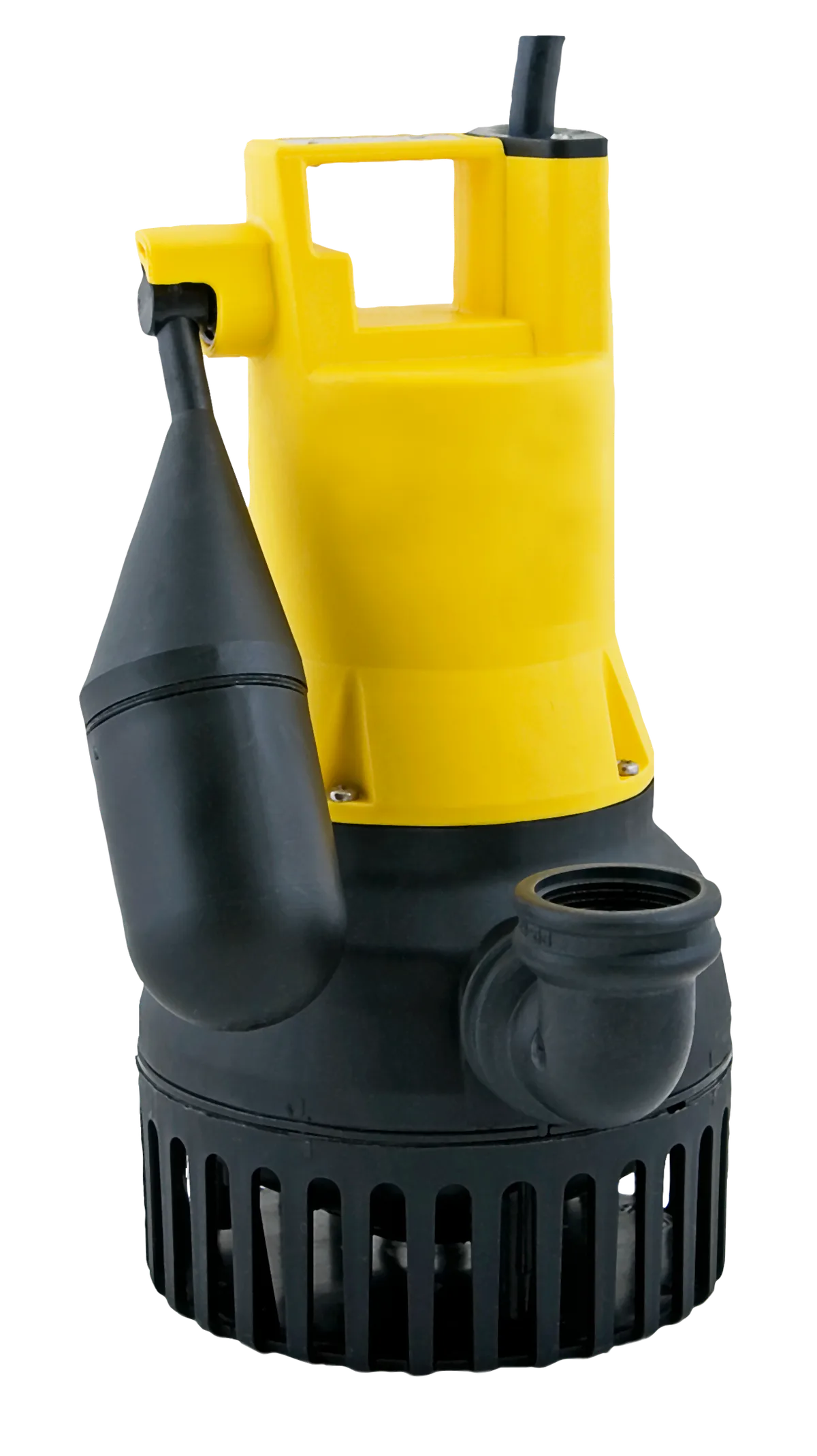
Material matters too. Plastic basins are lightweight and corrosion-resistant, making them ideal for DIY installations. Concrete basins add structural strength and better noise dampening, though they weigh significantly more.
Manufacturer specifications indicate that proper basin depth should extend at least 6 inches below the anticipated water line to prevent premature pump cycling.
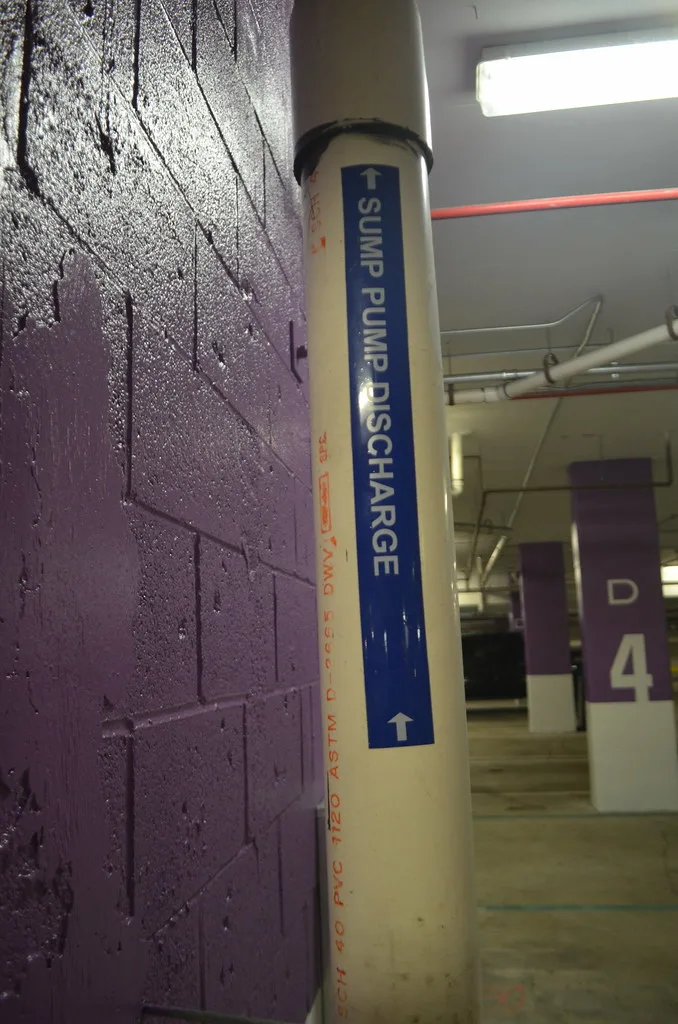
For homes without any existing plumbing access, you'll also need to consider how the discharge pipe routes out of your basement. Most installations require drilling through the foundation wall, which demands precise planning to avoid structural damage. The pipe should slope upward at least 1/4 inch per foot to ensure proper drainage flow.
Installing a Sump System from Scratch: Key Workflow Decisions
If you've determined that a new sump basin is necessary, here's the typical workflow you'll follow. First, you need to break through the concrete floor. Using a sledgehammer or circular saw with a masonry blade, you'll cut a roughly 3-foot square section around your chosen pit location.
This area must be lower than all surrounding drainage points.
Next, excavate the soil beneath. The hole should be deep enough to allow your basin to sit 2 to 3 inches below the finished floor level. Many installers add 6 inches of coarse gravel at the bottom for drainage and stability.
Once positioned, the basin itself goes in, followed by connecting any existing drain tile or French drain system to the basin's inlet ports.
The electrical considerations are equally important. Your sump pump requires a dedicated GFCI-protected outlet positioned at least 12 inches above the floor. Running electrical conduit protects the wiring from moisture damage.
After placing the pump, connect the discharge pipe with a check valve installed vertically about 6 inches above the pump. This prevents backflow that could cause the pump to cycle repeatedly and burn out prematurely.
Backfilling around the basin with concrete or hydraulic cement creates a secure seal. Make sure to test the system multiple times before finalizing the floor patching. The finished installation should allow the pump to activate automatically when water reaches the float switch, typically set 2 to 3 inches above the basin bottom.
Critical Safety, Code, and Maintenance Non-Negotiables
Installing a sump pump involves real electrical and structural risks. Always turn off nearby circuits at the main breaker panel before handling any wiring. Using GFCI protection isn't optional, it's required by the National Electrical Code for any basement outlet within 6 feet of a floor drain or sump basin.
Without it, ground faults could go undetected and create serious shock hazards.
Local building codes vary significantly regarding sump pump installations. Some jurisdictions require permits for new electrical work, while others mandate specific discharge terminations that prevent water from flowing back toward your foundation. Check with your local building department before starting any work.
Discharging into a neighbor's yard or municipal storm system without approval can result in fines.
Maintenance becomes your second major responsibility after installation. The average submersible pump lasts 6 to 10 years with proper care. Regular cleaning of the inlet screen, annual float switch testing, and keeping the basin free of debris all extend pump life.
Manufacturer specifications recommend checking the check valve at least twice yearly to ensure it isn't stuck open or clogged with mineral buildup.
Water damage from a failed pump can cost thousands in repairs. That's why many homeowners add battery backup systems or secondary pumps. These devices activate automatically if the primary pump fails or power goes out.
Even the best installation won't protect your basement if you neglect these ongoing safety checks.
Frequently Asked Questions
Do I need a permit to install a sump pump in my basement?
Permit requirements vary widely by location. Some areas require permits for new electrical circuits or major concrete work. Others treat sump pump installations as maintenance-level projects.
Contact your local building department directly. They can clarify exactly what's needed for your address and verify any discharge restrictions that apply to your property.
How much water should a properly sized sump pump handle?
Residential sump pumps typically move 30 to 50 gallons per minute against normal household head pressure. Homes with severe water issues may need commercial-grade units capable of 100+ GPM. Your actual needs depend on local rainfall patterns and soil conditions.
Consulting with a basement waterproofing specialist can help size your pump correctly before you purchase anything.
What happens if my sump discharge freezes during winter?
Frozen discharge pipes are common in northern climates. Ice blocks water flow completely, causing your basement to flood. Installing a freeze-resistant discharge line with proper insulation helps.
Some homeowners add a second "ice relief" hole higher on the discharge pipe that releases water away from the foundation even when the main outlet ices over.
Can I install a sump pump myself or should I hire a professional?
DIY installation works for many homeowners with basic tools and electrical experience. Breaking concrete, running dedicated circuits, and connecting plumbing all present challenges. If you're uncomfortable with any part of the process, particularly electrical work, hire a licensed electrician.
Professional basement waterproofing contractors can also handle the entire job but cost significantly more.
How often should I replace my sump pump?
Submersible pumps typically last 6 to 10 years under normal conditions. Pedestal pumps last longer, usually 10 to 15 years, because their motors stay dry. Listen for unusual noises, frequent cycling, or failure to shut off as signs of wear.
Even if the pump still runs, replacing it proactively before the rainy season prevents emergency failures when you need it most.
What size basin do I need for a new sump pit?
Standard residential basins measure 24 to 30 inches in diameter and depth. If space is tight, compact models as small as 18 inches work but fill faster. The basin must extend at least 6 inches below your expected water level.
Always check manufacturer specifications for minimum clearance requirements around the pump itself. Proper sizing prevents short-cycling and extends equipment lifespan.